Jobless Growth and Weak Domestic Demand Put Korea on Alert for Five Risks
South Korea has regained export momentum through semiconductors, yet the recovery remains uneven. Jobless growth and weak domestic demand are the main pressure points. A shift toward tighter monetary policy, wider stock-market swings and a slow construction recovery could weigh on the second half.
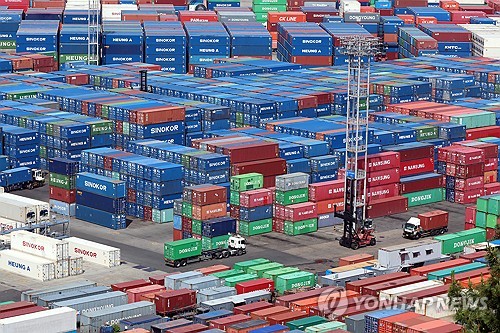
South Korea cannot rely on a semiconductor export boom alone to secure stable growth in the second half. Stronger exports may lift headline growth, but the recovery will remain fragile if jobs, household spending and construction investment do not follow. The key risks are jobless growth, weak domestic demand, a turn toward tighter monetary policy, greater stock-market volatility and delayed recovery in construction investment.
Export Strength, Weak Sentiment
The current recovery depends heavily on chips. Memory semiconductors and demand tied to artificial intelligence servers are supporting exports, but the sector does not create broad employment as quickly as labor-intensive manufacturing or services. Corporate earnings may improve before wage income and small-business sales recover.
Domestic demand is another weak point. High interest rates and accumulated price pressure are keeping households cautious. If the won weakens, the cost of imported energy, food and raw materials can rise again, adding pressure to consumer prices and company margins.
What the Five Risks Mean
Jobless growth limits wage income and slows consumption. Weak domestic demand prevents export gains from spreading through the economy. Tighter monetary policy would raise borrowing costs for households and companies. Stock volatility can damage household wealth and investor confidence. A delayed construction rebound would pressure project financing, builders’ cash flow and regional employment.
Policy in the second half needs to connect export recovery with jobs and spending. Investors should track rates, the won-dollar exchange rate, consumer sentiment, job quality and construction indicators, not just the chip cycle.
Key points
- South Korea has regained export momentum through semiconductors, yet the recovery remains uneven. Jobless growth and weak domestic demand are the main pressure points. A shift toward tighter monetary policy, wider stock-market swings and a slow construction recovery could weigh on the second half.
- Use the body and FAQ context before acting on this update.
- Compare with related issues inside the category hub.
FAQ
What are the main risks for Korea’s economy?
The five key risks are jobless growth, weak domestic demand, tighter monetary policy, stock-market volatility and delayed construction investment recovery.
Why is there concern despite strong chip exports?
Chip exports can lift growth, but their impact on jobs, wages and small-business sales may spread slowly.
What should investors watch?
Rates, the won-dollar exchange rate, consumer sentiment, job quality and construction investment indicators are central signals.
Latest stories
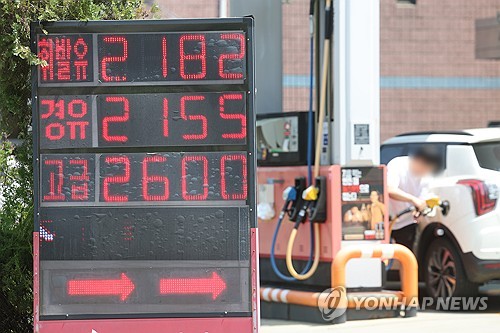
Middle East War Impact on Korea’s Output, Consumption, Investment and Inflation Faces Data Test
Key Korean indicators due from June 29 to July 3, 2026 will clarify the direction of production, retail sales, investment, prices and tax revenue. The central issue is whether oil, freight and currency volatility after the Middle East war is still feeding into domestic costs. Tax revenue will also shape views on fiscal room for the second half.

KOSPO Wins Veterans Ministry Plaque for Stable Jobs for Veterans’ Families
Korea Southern Power was recognized for helping veterans’ families secure stable jobs and better living conditions. The company kept its mandatory hiring rate for eligible veterans above 9% for five straight years. Executive memorial visits and housing improvement projects were also counted as key social contribution achievements.
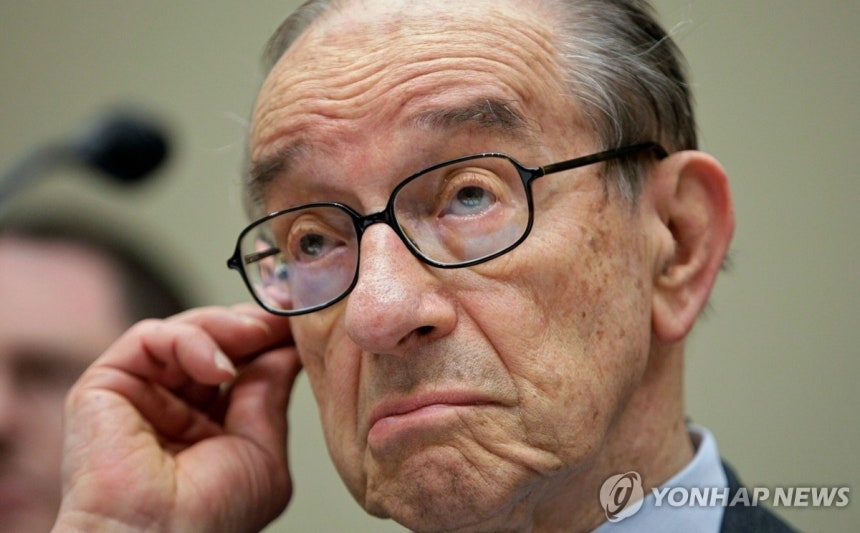
Alan Greenspan Dies at 100: 19-Year Fed Chair Who Shaped Global Markets
Alan Greenspan, former chair of the Federal Reserve, died on June 22 local time at 100. He led the Fed from 1987 to 2006 and became a defining central banker of the long U.S. expansion. His Greenspan put helped stabilize market psychology, while low-rate policies left a lasting debate over bubbles and leverage. For Korea, his era made Fed signals central to
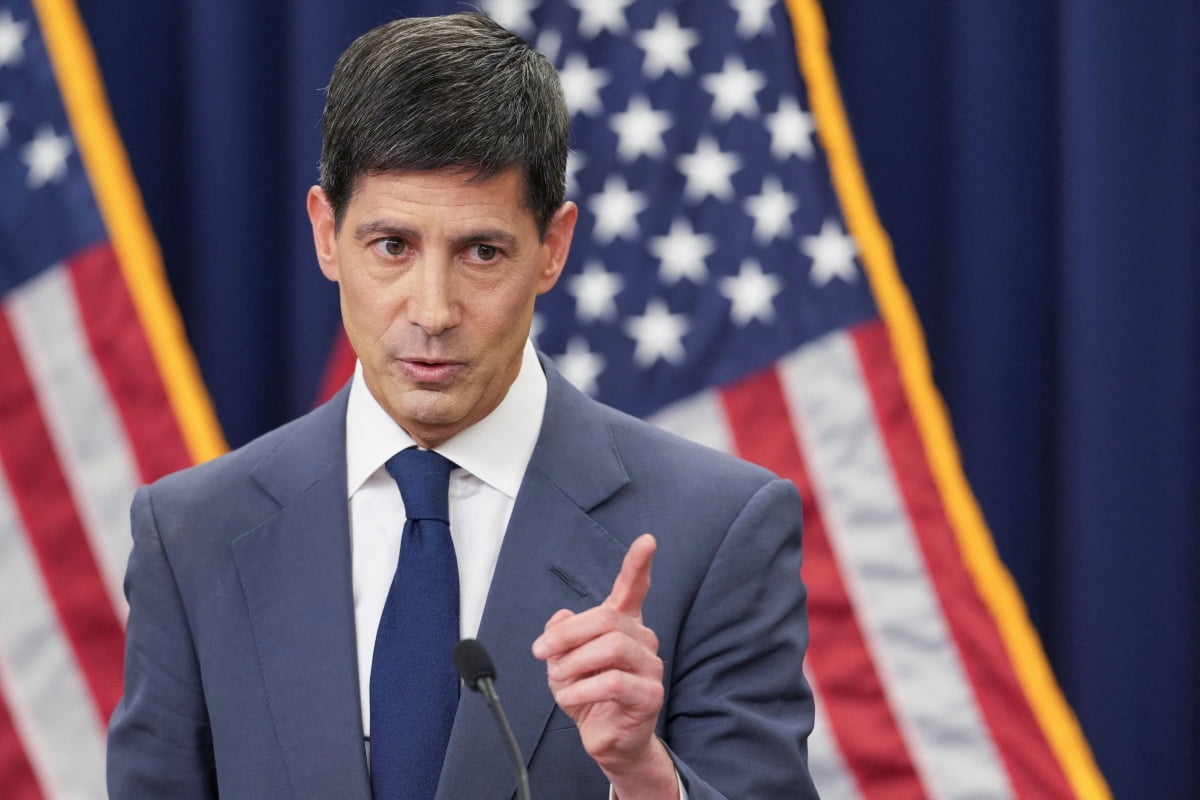
Warsh Signals End of Fed Forward Guidance, Jolting U.S. Treasuries and Korean Markets
Kevin Warsh’s Fed is moving toward a less prescriptive communication regime. The 2% inflation target remains in place, but guidance on the future rate path is likely to weaken. U.S. Treasury volatility is rising, and Korea faces spillovers through exchange rates, foreign flows and corporate funding costs.

Warsh’s Fed Guidance Pullback Raises U.S. Borrowing-Cost Risk and Korea Market Watch
Warsh’s proposal would scale back the Fed’s habit of steering markets through detailed rate-path signals. Less guidance can increase uncertainty premiums in U.S. Treasuries and private credit. Korea faces spillovers through the won, dollar funding costs and bond-market flows.
Altcoins Stay Weak as Rate Pressure Overrides Ceasefire Hopes
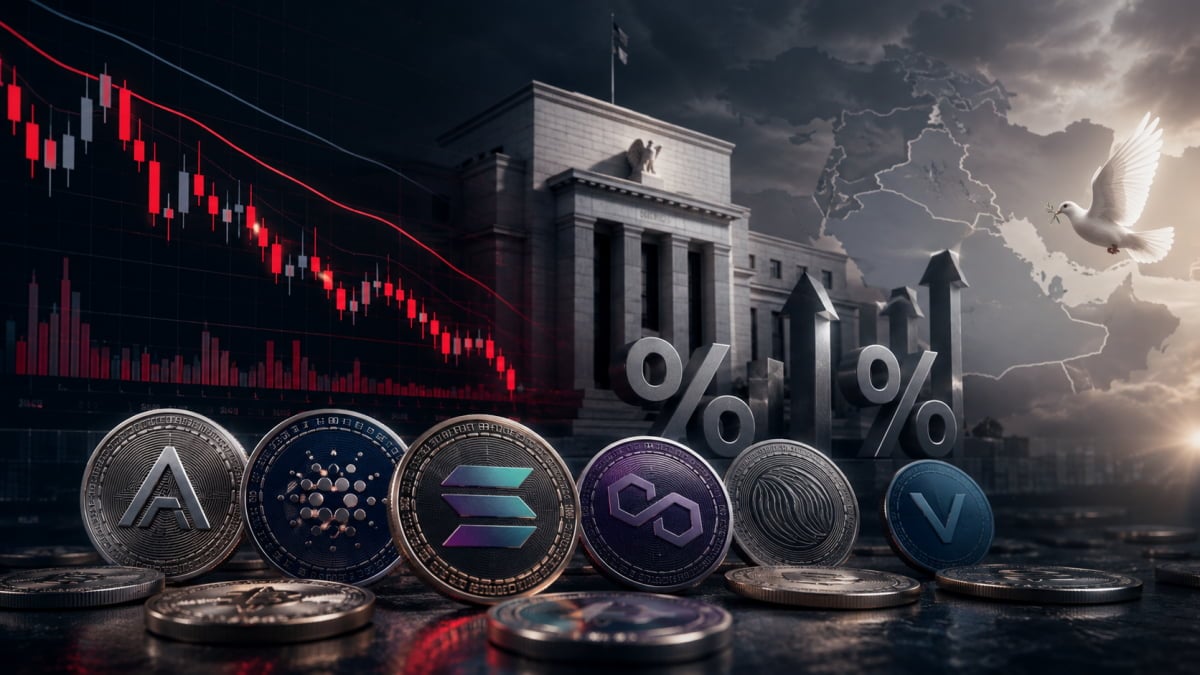
Altcoins have not produced a broad rebound even as geopolitical risk eases. Total crypto market value stands near $2.26 trillion, or about 3,452 trillion won, while Bitcoin dominance remains high at 56.6%. U.S. rates at 3.50%-3.75% and Korea’s 2.50% base rate are limiting rotation into smaller tokens.
KOSPI Breaks 9,000 for the First Time as Micron Earnings and U.S. PCE Set the Next Test
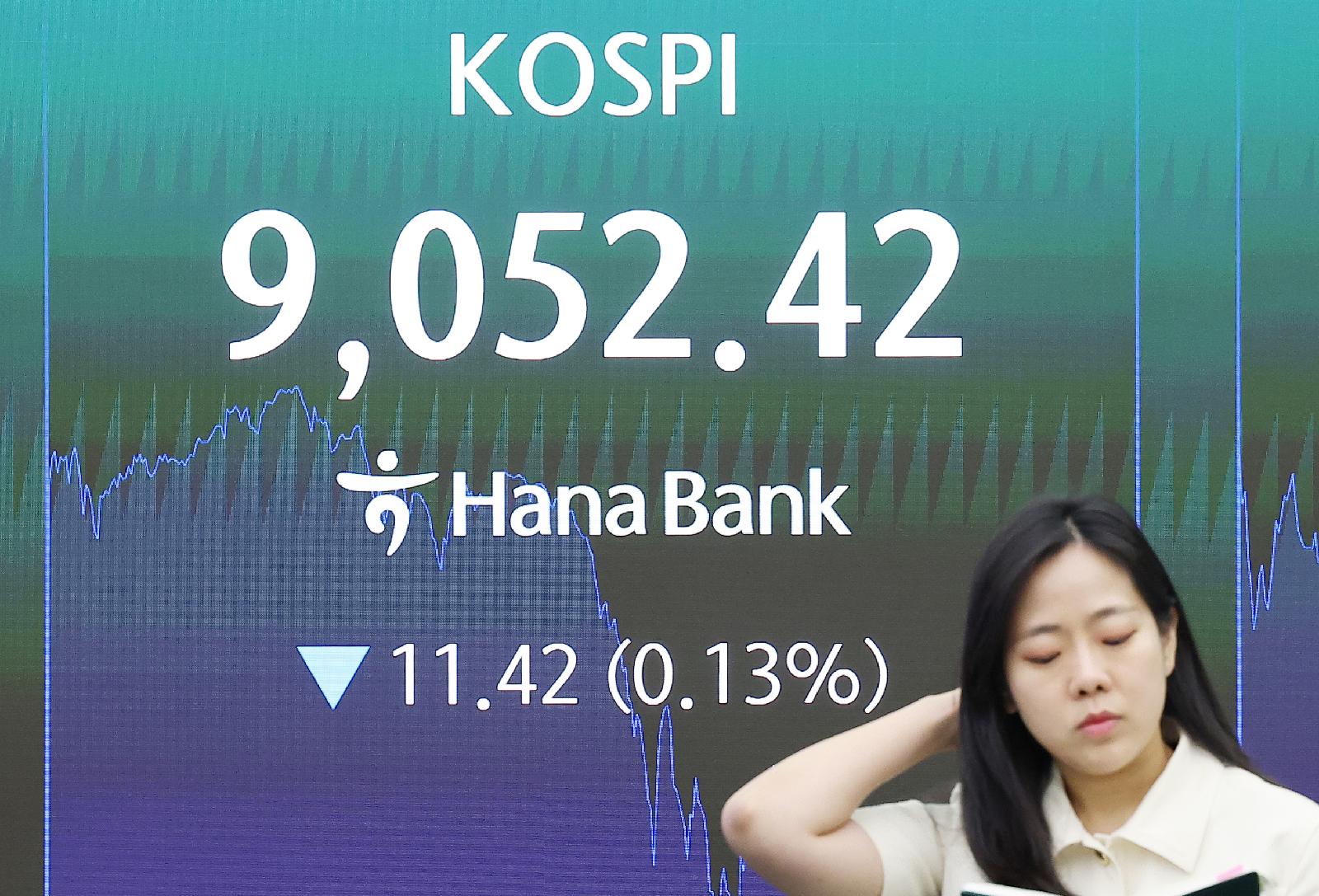
The KOSPI has entered a new range after touching 9,000 for the first time. This week’s key catalysts are Micron’s earnings and the U.S. May PCE price index. Strong memory-chip signals could support further gains, while sticky inflation would pressure rates, the dollar and Korean growth stocks.
Small Business Minimum Wage Burden Deepens as 38% Cut Hiring
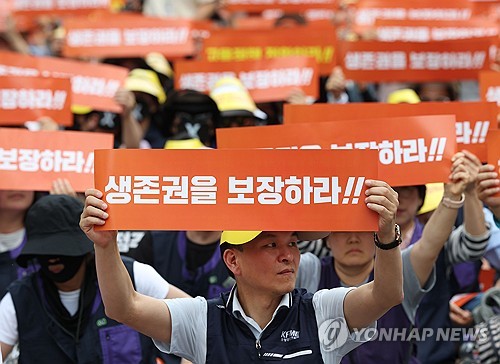
Most small business owners view the current 10,320 won minimum wage as a major cost burden. More than eight in ten feel pressure, and 38% have reduced employment. Labor costs are shaping hiring, pricing, hours, and automation decisions.