Warsh’s Fed Guidance Pullback Raises U.S. Borrowing-Cost Risk and Korea Market Watch
Warsh’s proposal would scale back the Fed’s habit of steering markets through detailed rate-path signals. Less guidance can increase uncertainty premiums in U.S. Treasuries and private credit. Korea faces spillovers through the won, dollar funding costs and bond-market flows.
Partner picks
Relevant partner links for this story
A lightweight commerce block designed to add monetization without breaking reading flow.
Advertisement
This module may include affiliate links that earn a commission from qualifying purchases. 매크로시그널
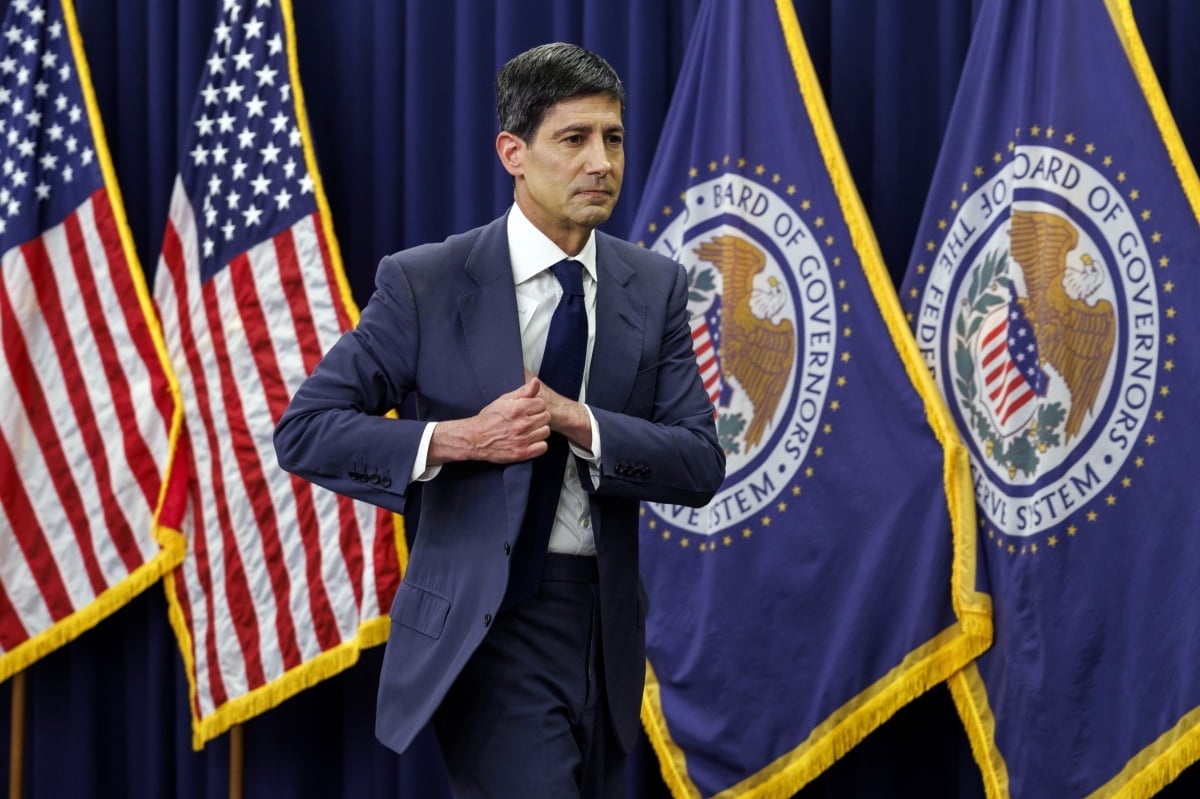
Warsh’s Fed guidance pullback has become a new variable for financial markets. The core idea is to reduce detailed advance signaling on the interest-rate path and allow policy to adjust more flexibly as inflation and labor data arrive. That gives the central bank more discretion, but it also removes part of the market’s forecasting anchor. The result is a growing concern that U.S. government, corporate and household borrowing costs could become more volatile.
Why Guidance Matters
Fed guidance works through rate projections, statement language, dot plots and chair communications. If those signals become thinner, investors must price not only the next meeting but also the policy range six months or a year ahead. An uncertainty premium can push Treasury yields higher even without an immediate rate increase. Long-term Treasury yields influence mortgage rates, corporate bonds, municipal finance and dollar funding costs.
The Cost Math
A 0.25 percentage-point move looks small, but it matters for large borrowers. On $1 billion of new debt, a 0.25-point increase adds $2.5 million in annual interest expense. At 1,380 won per dollar, that equals roughly 3.45 billion won. For a $10 billion refinancing, the added annual burden becomes $25 million, or about 34.5 billion won. Higher Treasury issuance costs also pressure U.S. fiscal space over time.
Spillover to Korea
For Korean investors, this is not only a U.S. story. Greater U.S. rate volatility can move the won-dollar exchange rate and raise dollar funding costs for Korean banks and companies. Foreign bond flows are sensitive to the Korea-U.S. rate gap and hedging costs. If U.S. long yields face renewed upward pressure, Korean government bond yields may move in sympathy. Markets will watch how far the Fed actually reduces guidance, whether softer inflation offsets rate uncertainty, and how dollar liquidity affects Korea’s financial conditions.
Partner picks
Relevant partner links for this story
A lightweight commerce block designed to add monetization without breaking reading flow.
Advertisement
This module may include affiliate links that earn a commission from qualifying purchases. 매크로시그널
Key points
- Warsh’s proposal would scale back the Fed’s habit of steering markets through detailed rate-path signals. Less guidance can increase uncertainty premiums in U.S. Treasuries and private credit. Korea faces spillovers through the won, dollar funding costs and bond-market flows.
- Use the body and FAQ context before acting on this update.
- Compare with related issues inside the category hub.
FAQ
What is Warsh’s Fed guidance pullback?
It is a plan to reduce detailed Fed signaling on the future rate path and rely more directly on incoming economic data.
Why could U.S. borrowing costs rise?
Less predictable policy can lead investors to demand an uncertainty premium, lifting Treasury yields and private credit rates.
How could Korea be affected?
Korea could feel pressure through the won-dollar exchange rate, foreign bond flows, dollar funding costs and domestic bond yields.
Related stories
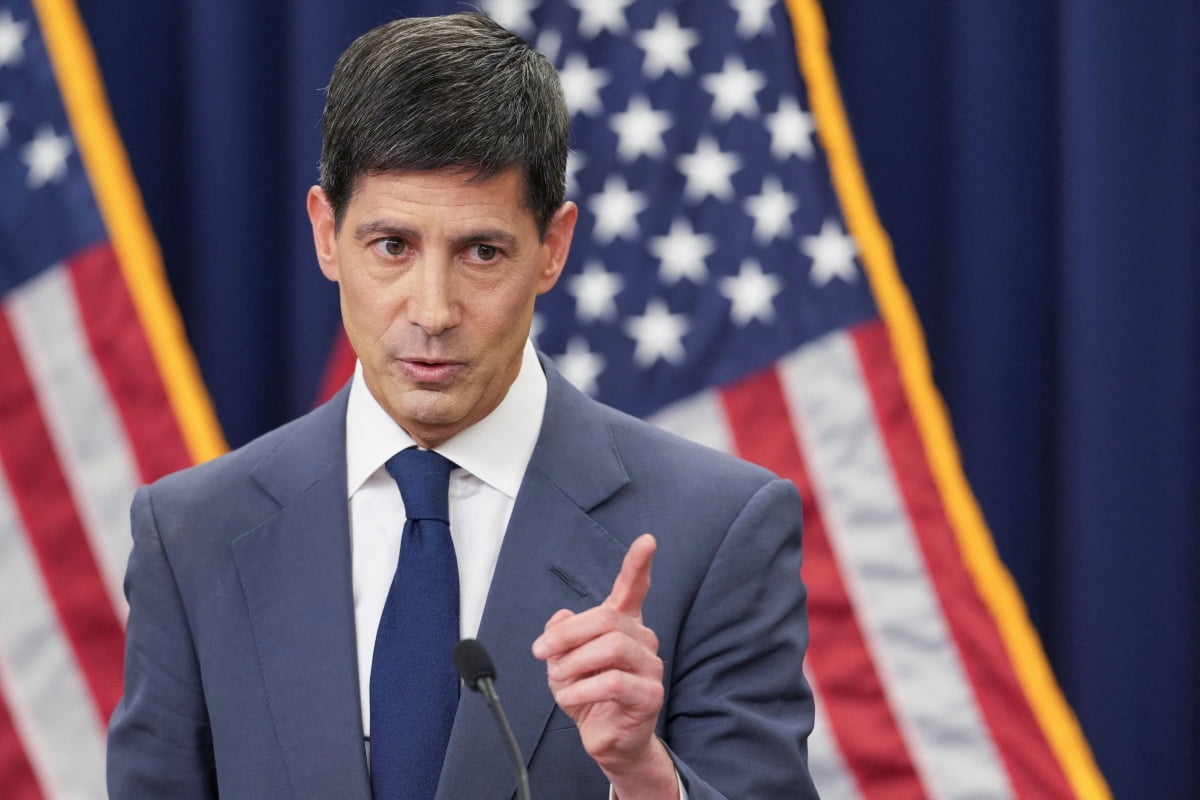
Warsh Signals End of Fed Forward Guidance, Jolting U.S. Treasuries and Korean Markets
Kevin Warsh’s Fed is moving toward a less prescriptive communication regime. The 2% inflation target remains in place, but guidance on the future rate path is likely to weaken. U.S. Treasury volatility is rising, and Korea faces spillovers through exchange rates, foreign flows and corporate funding costs.
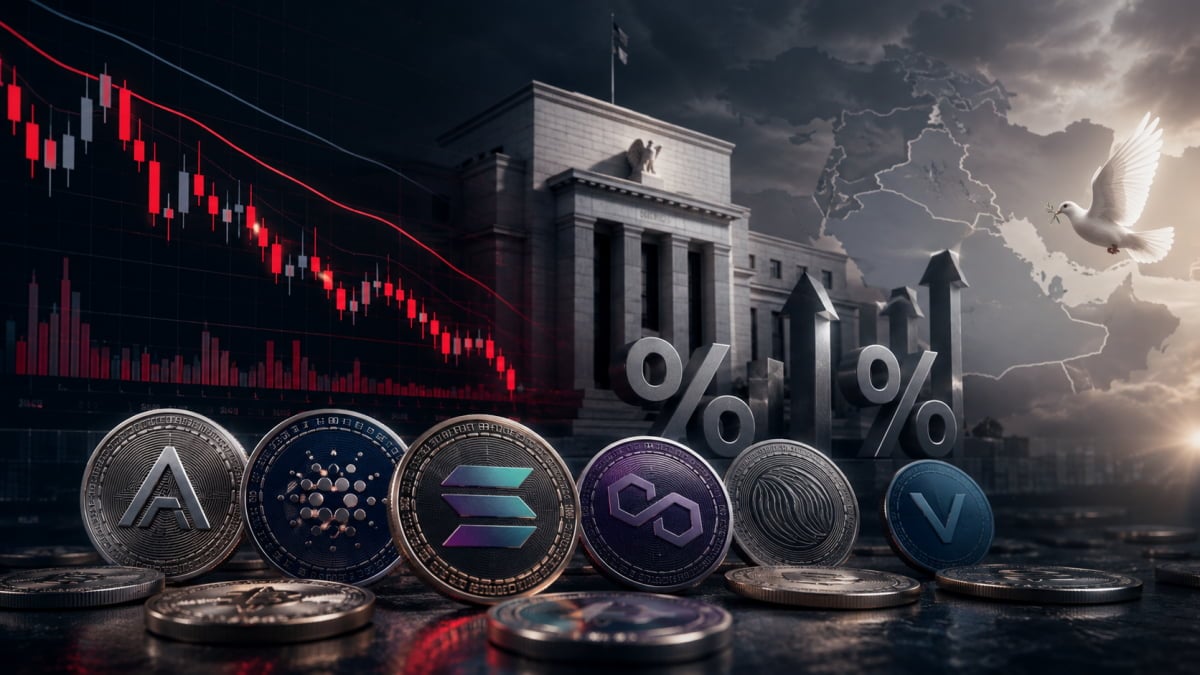
Altcoins Stay Weak as Rate Pressure Overrides Ceasefire Hopes
Altcoins have not produced a broad rebound even as geopolitical risk eases. Total crypto market value stands near $2.26 trillion, or about 3,452 trillion won, while Bitcoin dominance remains high at 56.6%. U.S. rates at 3.50%-3.75% and Korea’s 2.50% base rate are limiting rotation into smaller tokens.
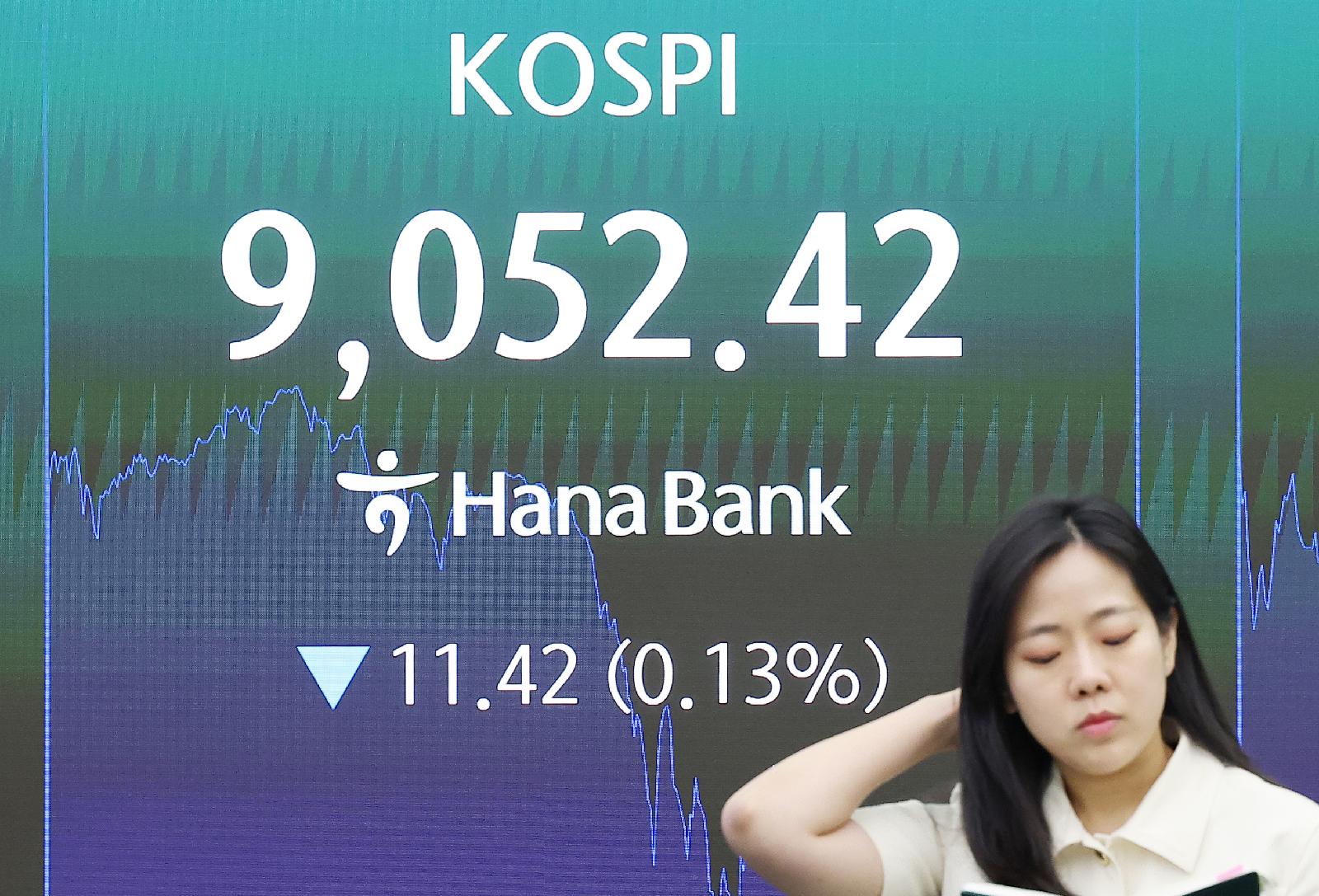
KOSPI Breaks 9,000 for the First Time as Micron Earnings and U.S. PCE Set the Next Test
The KOSPI has entered a new range after touching 9,000 for the first time. This week’s key catalysts are Micron’s earnings and the U.S. May PCE price index. Strong memory-chip signals could support further gains, while sticky inflation would pressure rates, the dollar and Korean growth stocks.
Partner picks
Relevant partner links for this story
A lightweight commerce block designed to add monetization without breaking reading flow.
Advertisement
This module may include affiliate links that earn a commission from qualifying purchases. 매크로시그널