Korean Treasury Yields Mixed as FX Strain Meets Safety Demand, 3-Year at 3.722%
Korean Treasury yields were mixed on the 26th as foreign-exchange pressure and safety demand acted at the same time. A sharp fall in equities supported bond buying, while won weakness limited the decline in yields. The three-year Treasury yield recorded 3.722%, showing caution across domestic funding markets.

Korean Treasury yields ended mixed on the 26th as currency-market strain and safe-haven demand pulled investors in opposite directions. A steep drop in local stocks increased risk aversion, sending part of the money flow toward government bonds. Yet pressure from a weaker won restrained the fall in yields by raising concern over foreign investor returns and inflation expectations. The three-year Korean Treasury yield stood at 3.722%.
FX pressure versus safety demand
Bond markets often attract buyers when equities fall sharply. As stock volatility rises, institutional and retail investors tend to shift toward assets with stronger capital-preservation features, including government bonds, deposits and money-market products. That pattern supported Korean Treasury prices on the day. Currency pressure, however, worked the other way. When the won weakens, foreign investors can see local-currency bond gains reduced by exchange-rate losses. It can also raise concern over import prices and the inflation path, weakening downward pressure on domestic yields.
Three-year yield at 3.722%
The key market figure was the three-year Treasury yield at 3.722%. The three-year maturity is closely watched in Korea because it quickly reflects monetary-policy expectations, short-term funding conditions and portfolio adjustments by institutions. Mixed yield moves suggest investors avoided a one-way position and instead weighed the exchange rate, stock weakness, growth concerns and demand for safety together. Since bond prices move inversely to yields, falling yields can lift mark-to-market gains, but currency volatility keeps risk management central.
Impact on Korean investors
Treasury yield moves affect bond-fund returns, bank lending rates, corporate bond issuance costs and asset allocation by pension funds and insurers. If the three-year yield remains volatile at an elevated level, companies must manage short-term funding costs more carefully, while households compare the appeal of fixed-rate loans and deposit rates. The market will next focus on whether the won stabilizes and whether equity volatility persists. Continued stock weakness may support government-bond demand, but stronger currency pressure could again limit the pace of any yield decline.
Key points
- Korean Treasury yields were mixed on the 26th as foreign-exchange pressure and safety demand acted at the same time. A sharp fall in equities supported bond buying, while won weakness limited the decline in yields. The three-year Treasury yield recorded 3.722%, showing caution across domestic funding markets.
- Use the body and FAQ context before acting on this update.
- Compare with related issues inside the category hub.
FAQ
What was the three-year Korean Treasury yield on the 26th?
The three-year Korean Treasury yield recorded 3.722%.
Why were Korean Treasury yields mixed?
Currency pressure limited yield declines, while a sharp stock-market fall increased safe-haven demand, leaving maturities moving unevenly.
What does this mean for Korean investors?
It can affect bond funds, deposit and lending rates, and corporate funding costs, making exchange-rate and equity volatility important to monitor.
Latest stories
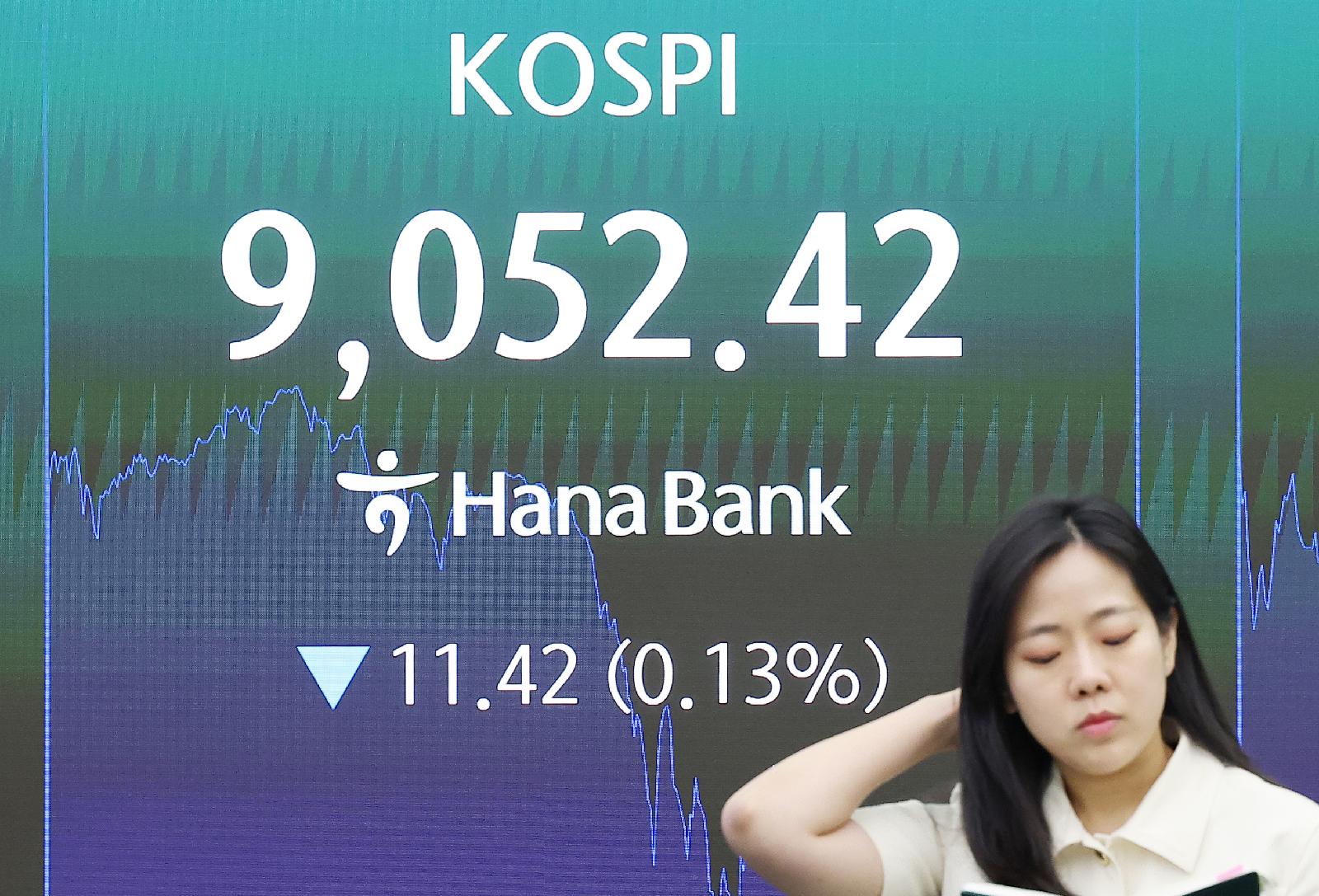
KOSPI Breaks 9,000 for the First Time as Micron Earnings and U.S. PCE Set the Next Test
The KOSPI has entered a new range after touching 9,000 for the first time. This week’s key catalysts are Micron’s earnings and the U.S. May PCE price index. Strong memory-chip signals could support further gains, while sticky inflation would pressure rates, the dollar and Korean growth stocks.

Small Business Minimum Wage Burden Deepens as 38% Cut Hiring
Most small business owners view the current 10,320 won minimum wage as a major cost burden. More than eight in ten feel pressure, and 38% have reduced employment. Labor costs are shaping hiring, pricing, hours, and automation decisions.

Eggs at 5,200 Won for 10 Signal Mounting Pressure on Korean Grocery Prices
The price of 10 eggs has risen to around 5,200 won, intensifying pressure on household food budgets. Eggs are a basic ingredient used in homes, school meals, restaurants, bakeries, and quick meals. The increase is not just about one item; it raises the visible cost of everyday eating. Consumers are expected to seek discounts and substitutes more actively.

Semiconductor Tailwind Reaches Business Sentiment Before Household Prices
The semiconductor upturn improves manufacturing sentiment, export profitability and capex before it directly lowers consumer prices. Felt inflation is more sensitive to groceries, dining, housing and exchange rates. If expectations move above the BSI baseline of 100, jobs, wages and supplier orders can transmit the recovery to households. The speed depends o