Middle East War Impact on Korea’s Output, Consumption, Investment and Inflation Faces Data Test
Key Korean indicators due from June 29 to July 3, 2026 will clarify the direction of production, retail sales, investment, prices and tax revenue. The central issue is whether oil, freight and currency volatility after the Middle East war is still feeding into domestic costs. Tax revenue will also shape views on fiscal room for the second half.
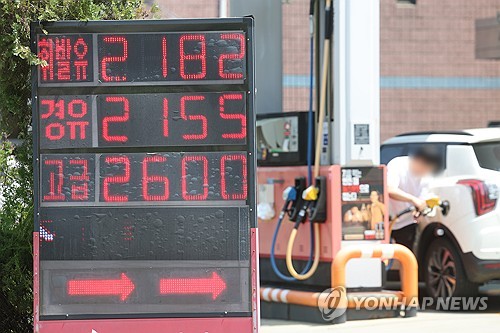
Korea’s economic focus from June 29 to July 3, 2026 is whether the Middle East war has left a visible mark on production, consumption, investment and inflation. The data will be more than routine monthly releases. They will help determine whether the second-half recovery is broadening or still exposed to external cost shocks.
Real Activity Sets the Tone
Industrial activity will show the condition of Korea’s production, retail sales and facility investment. Production reflects the operating pace of major industries such as semiconductors, autos and petrochemicals. Retail sales reveal household spending strength, while investment shows how companies view demand ahead. The Middle East war increased volatility in oil and logistics costs. For Korean firms, those costs become more painful when translated into won during a strong dollar phase.
June Inflation Matters for Households and Rates
June consumer prices will be central for households and financial markets. Energy costs affect gasoline, diesel and utility expectations, while freight costs can spread into processed food and dining prices. Even if annual inflation slows, a renewed monthly rise would keep the public’s cost-of-living burden high. Oil products, food, dining and personal services will be the key items to watch.
Tax Revenue Shows Fiscal Space
National tax revenue is another decisive signal. Corporate tax, value-added tax and income tax trends reveal business profits, consumption and labor income conditions. Weak revenue would narrow the room for fiscal support in the second half. Stabilizing revenue would give policymakers more flexibility. The coming data week will therefore test three questions: whether the war shock still exists as a cost burden, whether domestic demand is improving, and whether fiscal policy has enough room to respond.
Key points
- Key Korean indicators due from June 29 to July 3, 2026 will clarify the direction of production, retail sales, investment, prices and tax revenue. The central issue is whether oil, freight and currency volatility after the Middle East war is still feeding into domestic costs. Tax revenue will also shape views on fiscal room for the second half.
- Use the body and FAQ context before acting on this update.
- Compare with related issues inside the category hub.
FAQ
What are the key Korean indicators next week?
Industrial activity, consumer inflation and national tax revenue data due from June 29 to July 3, 2026 are the key indicators.
How can the Middle East war affect Korean inflation?
It can raise oil, freight and import costs, especially when dollar-denominated prices become more expensive in won.
Why does tax revenue matter?
It shows the strength of profits, consumption and income, and helps determine the government’s fiscal room.
Latest stories
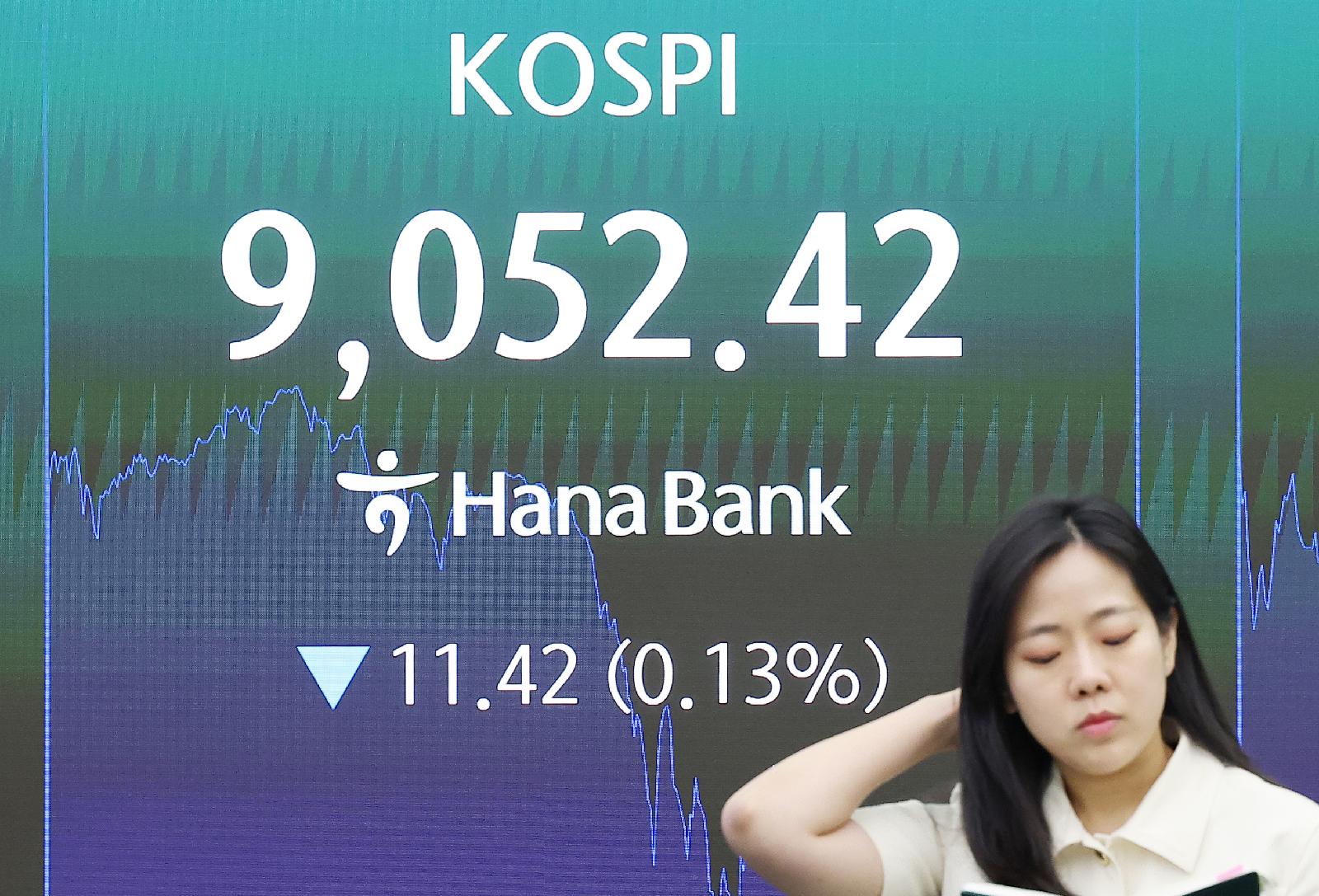
KOSPI Breaks 9,000 for the First Time as Micron Earnings and U.S. PCE Set the Next Test
The KOSPI has entered a new range after touching 9,000 for the first time. This week’s key catalysts are Micron’s earnings and the U.S. May PCE price index. Strong memory-chip signals could support further gains, while sticky inflation would pressure rates, the dollar and Korean growth stocks.
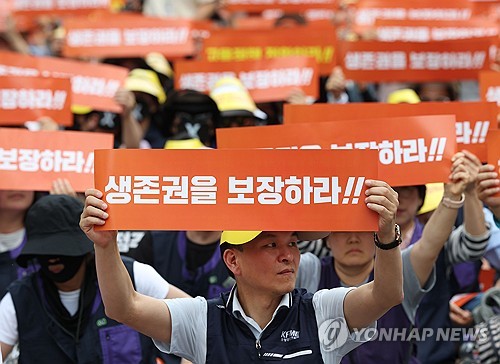
Small Business Minimum Wage Burden Deepens as 38% Cut Hiring
Most small business owners view the current 10,320 won minimum wage as a major cost burden. More than eight in ten feel pressure, and 38% have reduced employment. Labor costs are shaping hiring, pricing, hours, and automation decisions.

Eggs at 5,200 Won for 10 Signal Mounting Pressure on Korean Grocery Prices
The price of 10 eggs has risen to around 5,200 won, intensifying pressure on household food budgets. Eggs are a basic ingredient used in homes, school meals, restaurants, bakeries, and quick meals. The increase is not just about one item; it raises the visible cost of everyday eating. Consumers are expected to seek discounts and substitutes more actively.
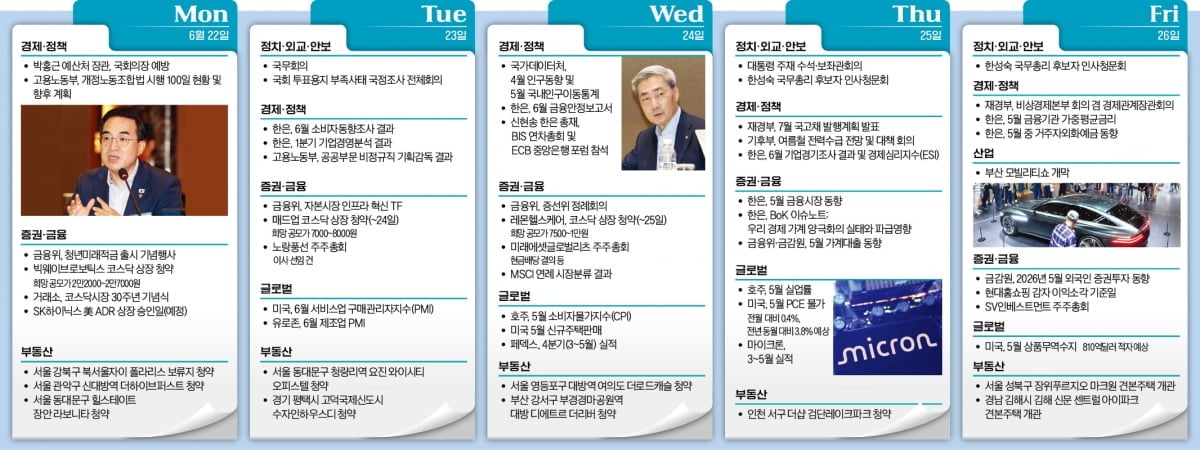
Semiconductor Tailwind Reaches Business Sentiment Before Household Prices
The semiconductor upturn improves manufacturing sentiment, export profitability and capex before it directly lowers consumer prices. Felt inflation is more sensitive to groceries, dining, housing and exchange rates. If expectations move above the BSI baseline of 100, jobs, wages and supplier orders can transmit the recovery to households. The speed depends o