Alan Greenspan Dies at 100: 19-Year Fed Chair Who Shaped Global Markets
Alan Greenspan, former chair of the Federal Reserve, died on June 22 local time at 100. He led the Fed from 1987 to 2006 and became a defining central banker of the long U.S. expansion. His Greenspan put helped stabilize market psychology, while low-rate policies left a lasting debate over bubbles and leverage. For Korea, his era made Fed signals central to
Partner picks
Relevant partner links for this story
A lightweight commerce block designed to add monetization without breaking reading flow.
Advertisement
This module may include affiliate links that earn a commission from qualifying purchases. 매크로시그널
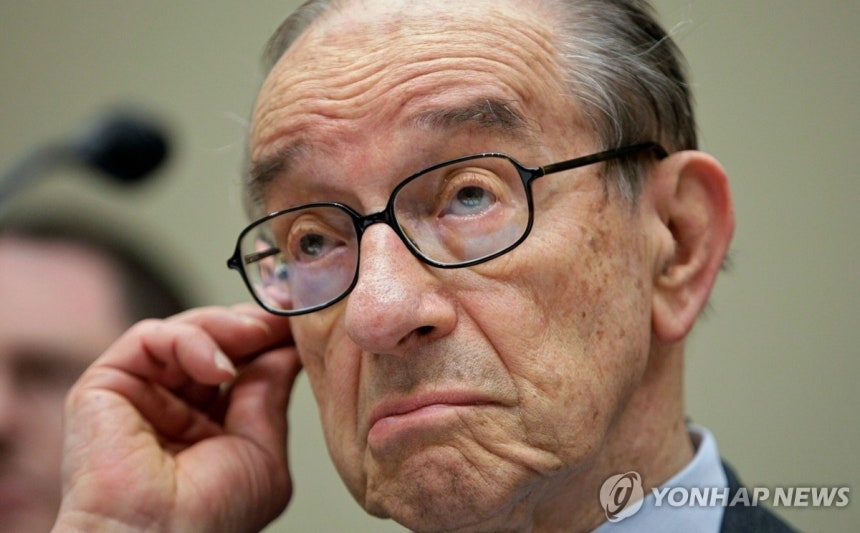
Alan Greenspan, the former chair of the U.S. Federal Reserve, died on June 22 local time at 100. From 1987 to 2006, he led the Fed for nearly 19 years and became the public face of central-bank power. His words moved the dollar, Treasury yields, equities and currencies far beyond the United States, including the Korean won.
A 19-Year Fed Era
Greenspan succeeded Paul Volcker in August 1987 and handed the chair to Ben Bernanke in January 2006. He faced the Black Monday crash soon after taking office, then guided policy through the 1990s expansion, the technology boom, the dot-com bust and the shock after September 11. His 1996 warning about irrational exuberance became a lasting market phrase.
Legacy for Markets
The Greenspan put described the belief that the Fed would cut rates and provide liquidity during stress. That confidence helped markets, but it also fed criticism that easy money encouraged leverage, housing excess and later financial fragility. For Korean investors, his era turned Fed signals into a daily input for the won-dollar rate, Kospi foreign flows, bond yields and Bank of Korea policy assumptions. His death does not by itself change prices, but it renews debate over central-bank independence, inflation control and the boundary between stabilizing markets and inflating bubbles.
Partner picks
Relevant partner links for this story
A lightweight commerce block designed to add monetization without breaking reading flow.
Advertisement
This module may include affiliate links that earn a commission from qualifying purchases. 매크로시그널
Key points
- Alan Greenspan, former chair of the Federal Reserve, died on June 22 local time at 100. He led the Fed from 1987 to 2006 and became a defining central banker of the long U.S. expansion. His Greenspan put helped stabilize market psychology, while low-rate policies left a lasting debate over bubbles and leverage. For Korea, his era made Fed signals central to
- Use the body and FAQ context before acting on this update.
- Compare with related issues inside the category hub.
FAQ
Who was Alan Greenspan?
He was the Federal Reserve chair from 1987 to 2006 and one of the most influential central bankers of the modern market era.
When did Alan Greenspan die?
He died on June 22 local time at the age of 100.
Why does his legacy matter for Korea?
His era made Fed policy signals central to the won-dollar exchange rate, foreign flows into Kospi and Bank of Korea policy expectations.
Related stories

KOSPO Wins Veterans Ministry Plaque for Stable Jobs for Veterans’ Families
Korea Southern Power was recognized for helping veterans’ families secure stable jobs and better living conditions. The company kept its mandatory hiring rate for eligible veterans above 9% for five straight years. Executive memorial visits and housing improvement projects were also counted as key social contribution achievements.
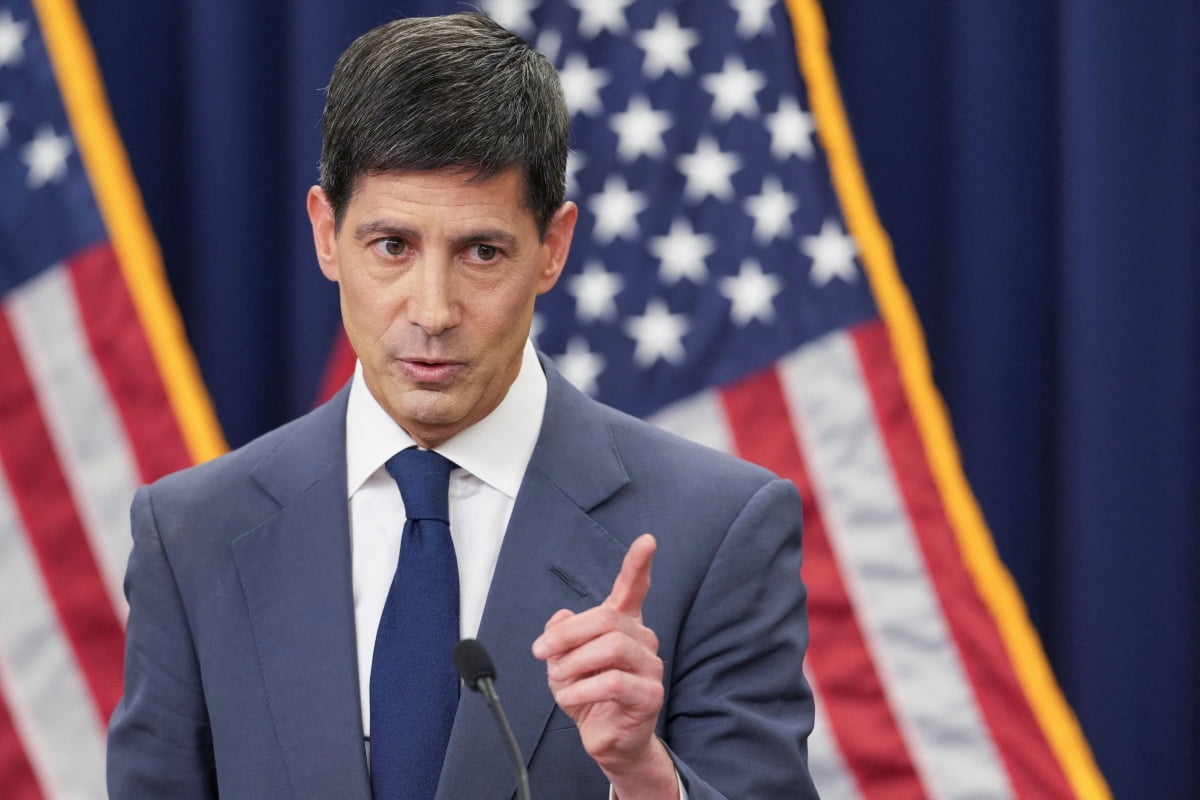
Warsh Signals End of Fed Forward Guidance, Jolting U.S. Treasuries and Korean Markets
Kevin Warsh’s Fed is moving toward a less prescriptive communication regime. The 2% inflation target remains in place, but guidance on the future rate path is likely to weaken. U.S. Treasury volatility is rising, and Korea faces spillovers through exchange rates, foreign flows and corporate funding costs.
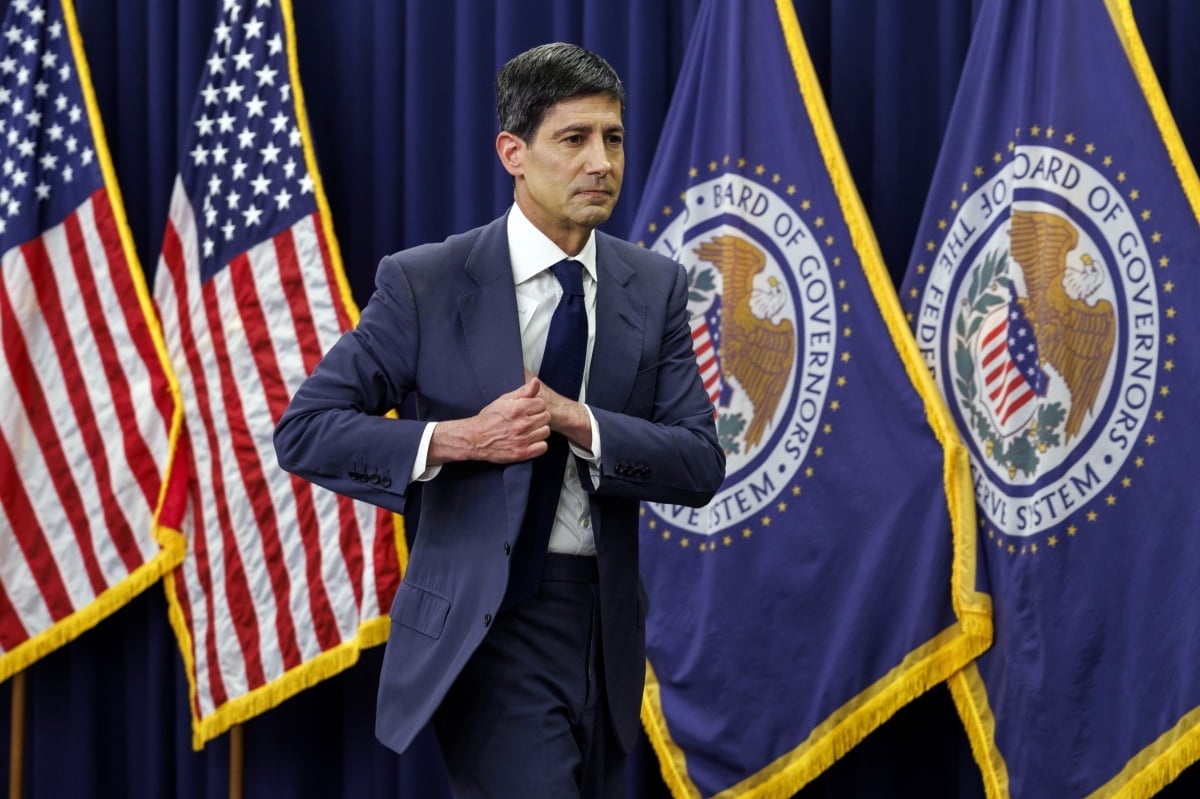
Warsh’s Fed Guidance Pullback Raises U.S. Borrowing-Cost Risk and Korea Market Watch
Warsh’s proposal would scale back the Fed’s habit of steering markets through detailed rate-path signals. Less guidance can increase uncertainty premiums in U.S. Treasuries and private credit. Korea faces spillovers through the won, dollar funding costs and bond-market flows.
Partner picks
Relevant partner links for this story
A lightweight commerce block designed to add monetization without breaking reading flow.
Advertisement
This module may include affiliate links that earn a commission from qualifying purchases. 매크로시그널