Labor Minister Visits AI-Transition Manufacturer to Review Automation and Jobs
Labor Minister Kim Young-hoon inspected an AI transition site at a small manufacturer in Goyang on the 26th. The visit focused on whether automation can improve productivity while supporting employment. Policy support is expected to be most effective when equipment investment is linked with training, job redesign and workplace safety.

Labor Minister Kim Young-hoon visited a small manufacturing company in Goyang, Gyeonggi Province, on the 26th to review its artificial intelligence transition, or AX, and the support needed on the factory floor. The central issue was whether automation can move beyond cost cutting and become a tool for higher output, better quality control, faster delivery and stable job creation.
Why AX Has Become a Labor Issue
Korea’s small manufacturers face a shortage of skilled workers, rising labor costs and tighter delivery schedules. Unlike large companies, many small firms cannot fund large-scale digital transformation on their own. AX therefore means more than replacing equipment. It requires collecting shop-floor data, automating repetitive processes and helping workers move into higher-value roles such as quality management, maintenance and process control.
The labor policy focus is on people as much as machines. If new automated equipment arrives without training, productivity gains remain limited. If training and job redesign move together, the same workforce can handle more orders, reduce defects and create room for additional hiring when demand rises.
Productivity and Employment Together
The visit is defined by four keywords: the 26th, Goyang, a small manufacturer and AX support. The policy agenda is not limited to subsidies for equipment. Firms need help with investment costs, worker reskilling, process data, industrial safety and job transition consulting. For small businesses, expensive robots, sensors and AI inspection tools can carry serious financial risk if implementation fails.
Automation usually first reduces repetitive or hazardous work and increases output. As AI use spreads to quality inspection, inventory control, work allocation and predictive maintenance, the shape of employment changes. Demand can grow for equipment operators, data reviewers, quality improvement staff and safety managers.
What Comes Next
For companies, AX is becoming a survival strategy. For workers, it can create anxiety unless training and employment stability are built into the policy design. Korea’s labor rules, safety standards, working-hour controls and data governance also need to be reflected. Future support is likely to measure productivity and employment together. When training, consulting, equipment investment and hiring support are connected, automation can strengthen both competitiveness and the job base of small manufacturers.
Key points
- Labor Minister Kim Young-hoon inspected an AI transition site at a small manufacturer in Goyang on the 26th. The visit focused on whether automation can improve productivity while supporting employment. Policy support is expected to be most effective when equipment investment is linked with training, job redesign and workplace safety.
- Use the body and FAQ context before acting on this update.
- Compare with related issues inside the category hub.
FAQ
When and where did the labor minister visit?
Labor Minister Kim Young-hoon visited a small manufacturer in Goyang, Gyeonggi Province, on the 26th.
What was the main purpose of the visit?
The visit focused on support needs for AI transition and how automation can improve productivity and employment.
How can automation affect jobs?
It can reduce repetitive or risky work while increasing demand for equipment operation, quality control and data-related roles.
Latest stories

Warsh’s Fed Guidance Pullback Raises U.S. Borrowing-Cost Risk and Korea Market Watch
Warsh’s proposal would scale back the Fed’s habit of steering markets through detailed rate-path signals. Less guidance can increase uncertainty premiums in U.S. Treasuries and private credit. Korea faces spillovers through the won, dollar funding costs and bond-market flows.

Altcoins Stay Weak as Rate Pressure Overrides Ceasefire Hopes
Altcoins have not produced a broad rebound even as geopolitical risk eases. Total crypto market value stands near $2.26 trillion, or about 3,452 trillion won, while Bitcoin dominance remains high at 56.6%. U.S. rates at 3.50%-3.75% and Korea’s 2.50% base rate are limiting rotation into smaller tokens.
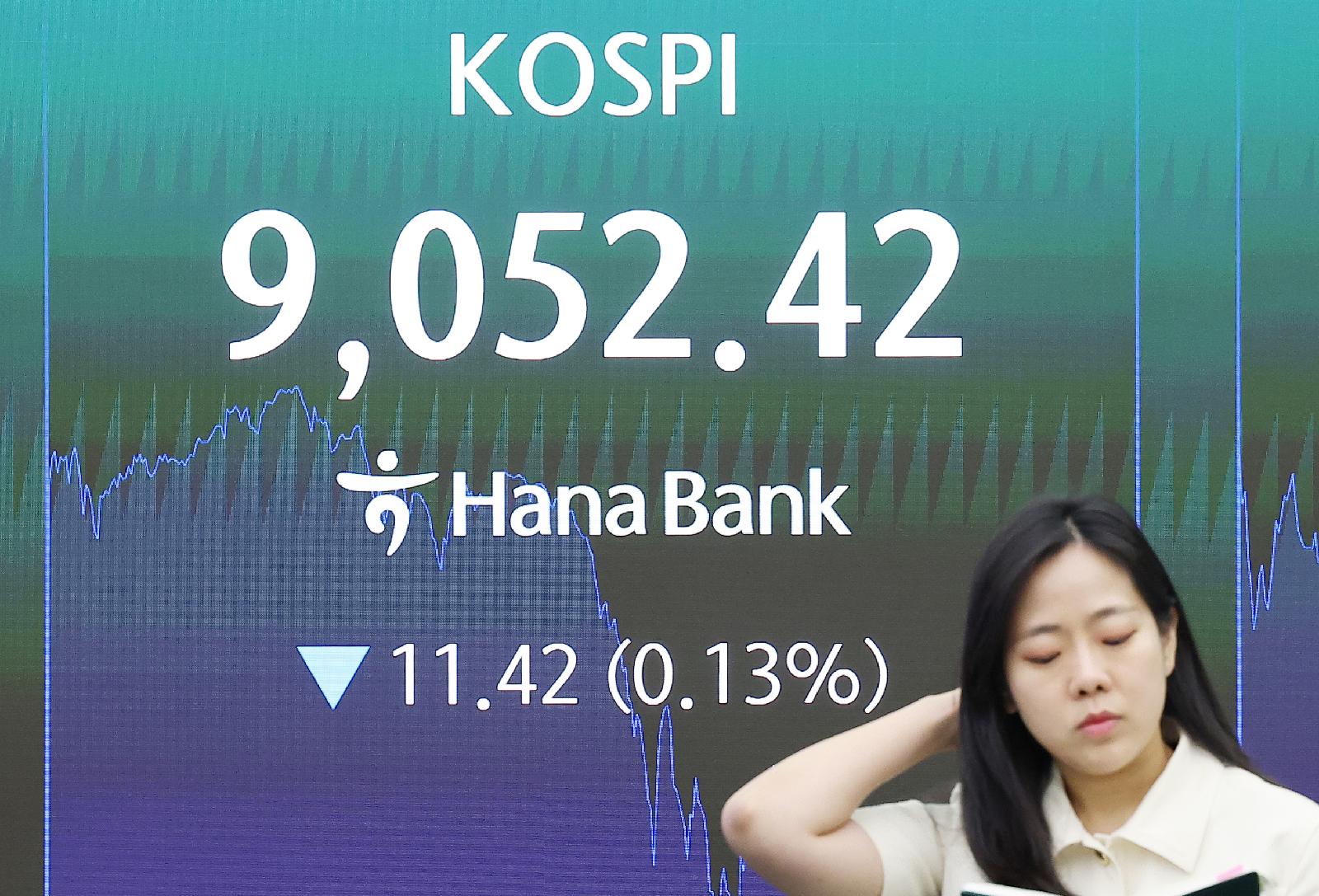
KOSPI Breaks 9,000 for the First Time as Micron Earnings and U.S. PCE Set the Next Test
The KOSPI has entered a new range after touching 9,000 for the first time. This week’s key catalysts are Micron’s earnings and the U.S. May PCE price index. Strong memory-chip signals could support further gains, while sticky inflation would pressure rates, the dollar and Korean growth stocks.
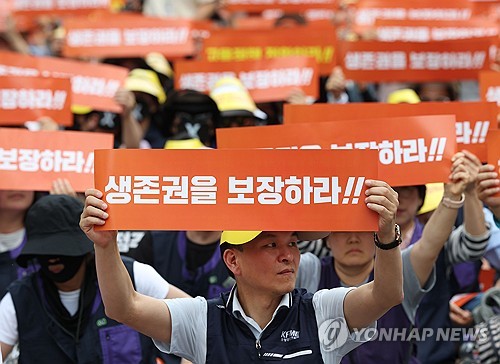
Small Business Minimum Wage Burden Deepens as 38% Cut Hiring
Most small business owners view the current 10,320 won minimum wage as a major cost burden. More than eight in ten feel pressure, and 38% have reduced employment. Labor costs are shaping hiring, pricing, hours, and automation decisions.

Eggs at 5,200 Won for 10 Signal Mounting Pressure on Korean Grocery Prices
The price of 10 eggs has risen to around 5,200 won, intensifying pressure on household food budgets. Eggs are a basic ingredient used in homes, school meals, restaurants, bakeries, and quick meals. The increase is not just about one item; it raises the visible cost of everyday eating. Consumers are expected to seek discounts and substitutes more actively.
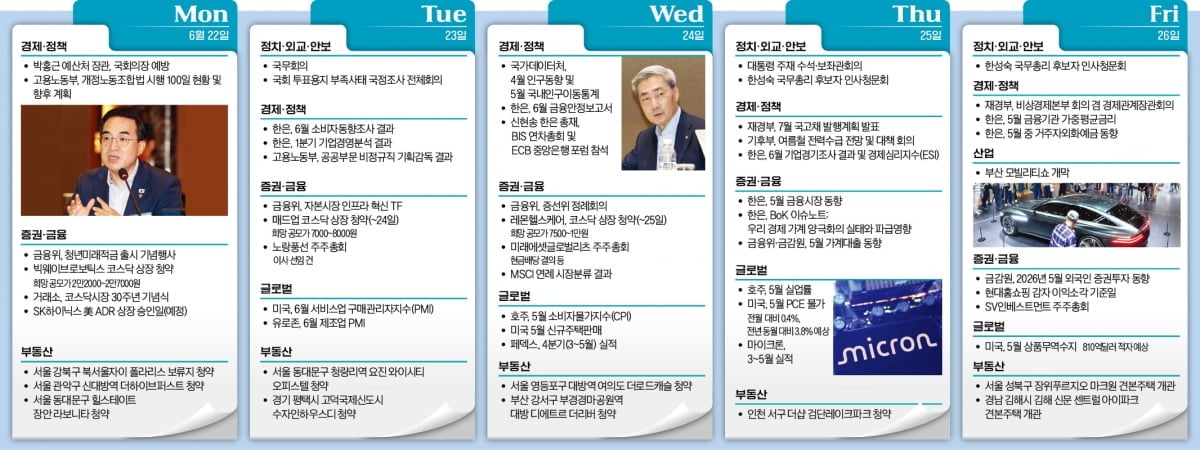
Semiconductor Tailwind Reaches Business Sentiment Before Household Prices
The semiconductor upturn improves manufacturing sentiment, export profitability and capex before it directly lowers consumer prices. Felt inflation is more sensitive to groceries, dining, housing and exchange rates. If expectations move above the BSI baseline of 100, jobs, wages and supplier orders can transmit the recovery to households. The speed depends o