Mortgage Rates Rebound to 4.32% as Market Yields Rise Again
Mortgage rates turned upward after one month and reached 4.32%. The increase was only 0.01 percentage point, but it shows that rising market yields are feeding into household borrowing costs. Borrowers need to review repayment burdens, refinancing options and DSR limits.
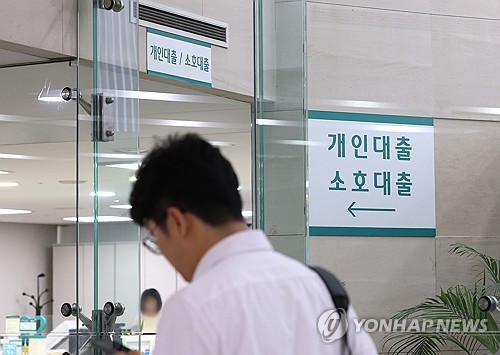
Mortgage rates in Korea have risen again after one month. The average home-backed loan rate reached 4.32%, up 0.01 percentage point, as higher market yields filtered into bank lending rates. The move is modest in size, but it sends a clear signal to borrowers who expected loan costs to ease.
Market Rates Drive the Shift
Mortgage pricing is shaped by bank funding costs, bond yields, benchmark-rate expectations and each lender’s spread policy. As market rates moved higher, mortgage rates reversed direction. A 4.32% rate remains a meaningful burden for households, especially for borrowers with floating or resettable mixed-rate loans.
What 0.01 Percentage Point Means
A 0.01 percentage-point rise may look small. On a simple interest basis, it adds about 10,000 won a year for every 100 million won borrowed, and about 30,000 won on a 300 million won loan. Actual payments depend on maturity, repayment type, discounts and fees. The bigger point is that mortgage rates have not settled into a steady decline.
Impact on Borrowers and Housing
Homebuyers must review monthly cash flow, not just the purchase price. In Korea, DSR and LTV rules can reduce borrowing capacity when interest rates rise. Existing borrowers should compare fixed-rate conversion, refinancing and rate-reduction requests while checking fees and lost discounts. Mortgage rates are likely to remain a key factor for housing sentiment and household spending.
Key points
- Mortgage rates turned upward after one month and reached 4.32%. The increase was only 0.01 percentage point, but it shows that rising market yields are feeding into household borrowing costs. Borrowers need to review repayment burdens, refinancing options and DSR limits.
- Use the body and FAQ context before acting on this update.
- Compare with related issues inside the category hub.
FAQ
What is the latest mortgage rate?
The mortgage rate rose by 0.01 percentage point to 4.32%.
Why did mortgage rates rise?
The rise reflects higher market interest rates feeding into bank lending costs.
Does a 0.01 percentage-point increase matter?
It is small, but it accumulates on large mortgage balances and affects repayment planning.
Latest stories

Warsh’s Fed Guidance Pullback Raises U.S. Borrowing-Cost Risk and Korea Market Watch
Warsh’s proposal would scale back the Fed’s habit of steering markets through detailed rate-path signals. Less guidance can increase uncertainty premiums in U.S. Treasuries and private credit. Korea faces spillovers through the won, dollar funding costs and bond-market flows.

Altcoins Stay Weak as Rate Pressure Overrides Ceasefire Hopes
Altcoins have not produced a broad rebound even as geopolitical risk eases. Total crypto market value stands near $2.26 trillion, or about 3,452 trillion won, while Bitcoin dominance remains high at 56.6%. U.S. rates at 3.50%-3.75% and Korea’s 2.50% base rate are limiting rotation into smaller tokens.
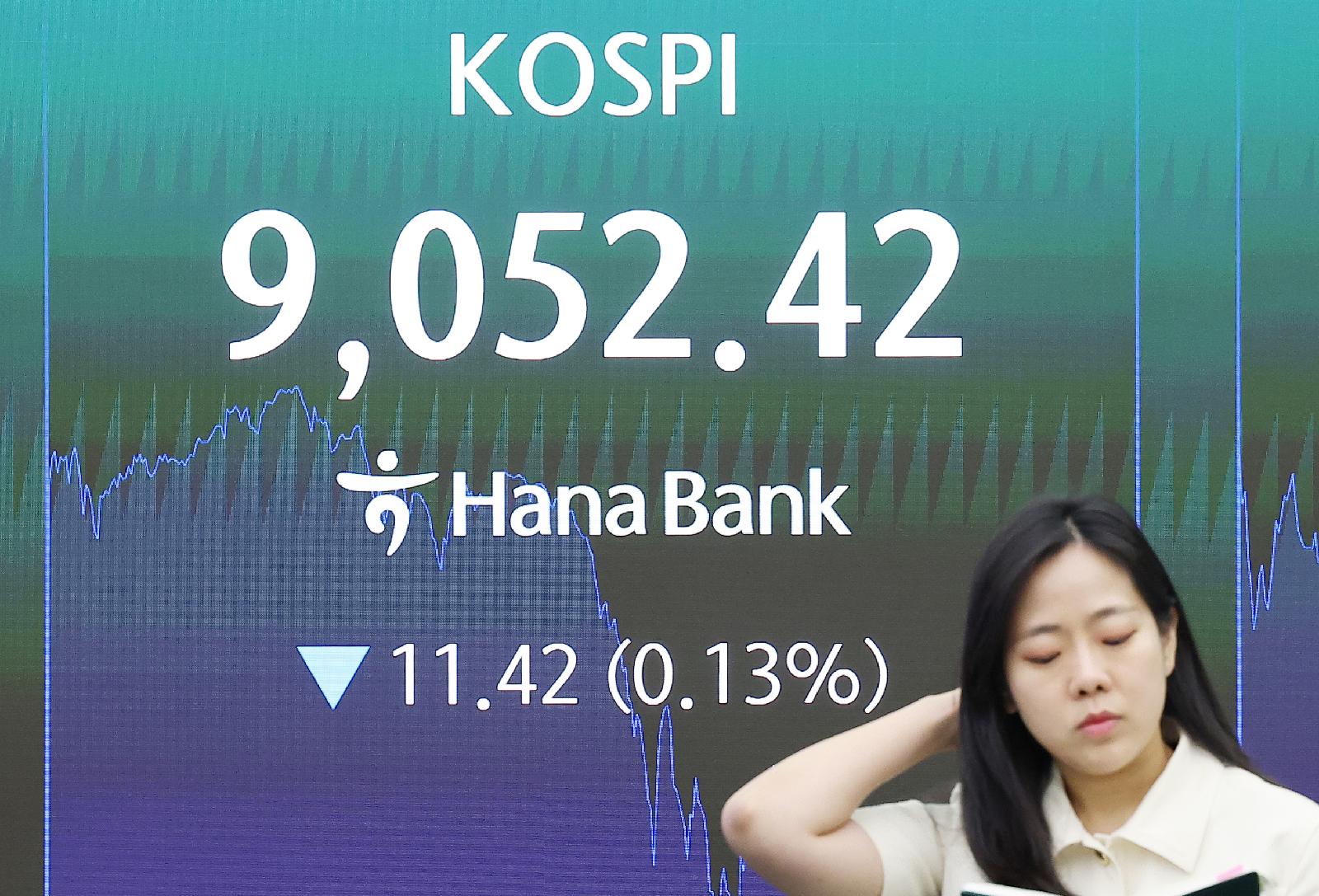
KOSPI Breaks 9,000 for the First Time as Micron Earnings and U.S. PCE Set the Next Test
The KOSPI has entered a new range after touching 9,000 for the first time. This week’s key catalysts are Micron’s earnings and the U.S. May PCE price index. Strong memory-chip signals could support further gains, while sticky inflation would pressure rates, the dollar and Korean growth stocks.

Small Business Minimum Wage Burden Deepens as 38% Cut Hiring
Most small business owners view the current 10,320 won minimum wage as a major cost burden. More than eight in ten feel pressure, and 38% have reduced employment. Labor costs are shaping hiring, pricing, hours, and automation decisions.

Eggs at 5,200 Won for 10 Signal Mounting Pressure on Korean Grocery Prices
The price of 10 eggs has risen to around 5,200 won, intensifying pressure on household food budgets. Eggs are a basic ingredient used in homes, school meals, restaurants, bakeries, and quick meals. The increase is not just about one item; it raises the visible cost of everyday eating. Consumers are expected to seek discounts and substitutes more actively.

Semiconductor Tailwind Reaches Business Sentiment Before Household Prices
The semiconductor upturn improves manufacturing sentiment, export profitability and capex before it directly lowers consumer prices. Felt inflation is more sensitive to groceries, dining, housing and exchange rates. If expectations move above the BSI baseline of 100, jobs, wages and supplier orders can transmit the recovery to households. The speed depends o