Eggs at 5,000 Won for 10 Push Korea to Spend 1 Trillion Won on Prices
Egg prices at 5,000 won for 10 have become a clear signal of household inflation in Korea. A 1 trillion won fiscal package is being deployed to ease food-price pressure. Discounts and supply management may help in the short term, but feed, logistics and weather remain major risks.
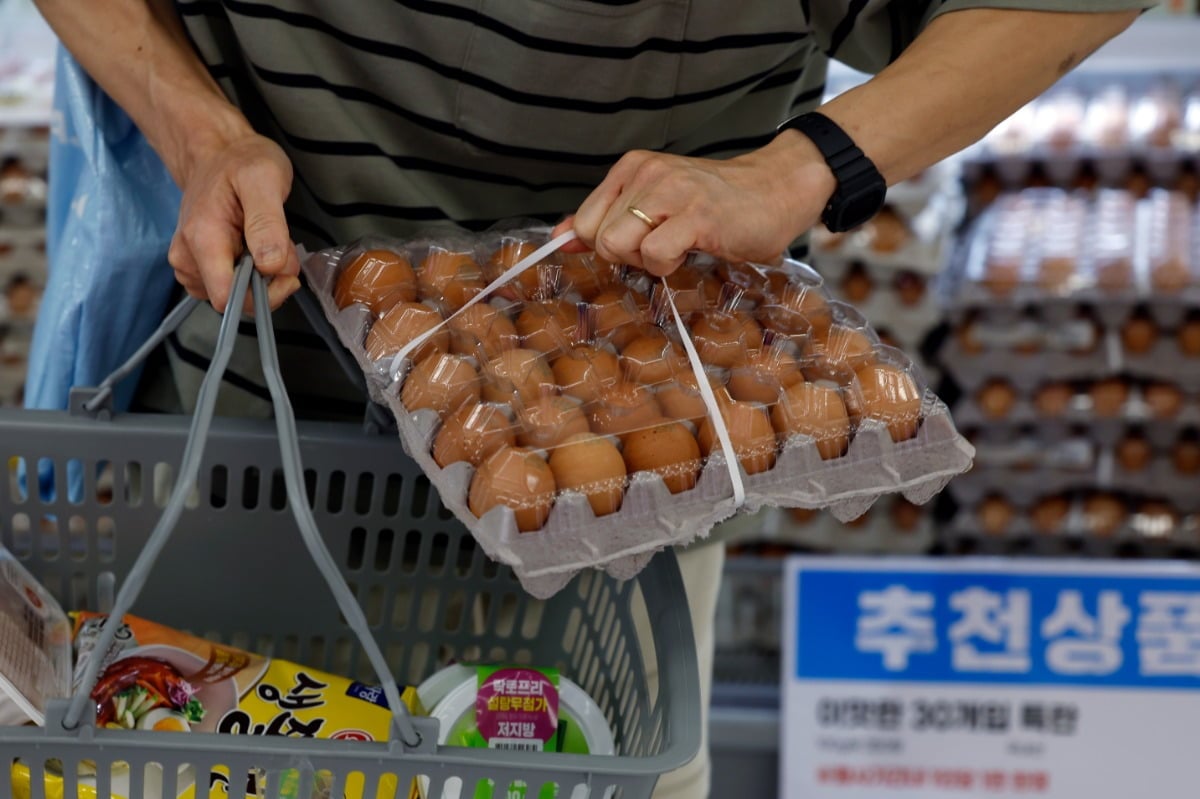
Eggs at 5,000 won for 10 are more than a single grocery price. They are a warning sign for Korea’s household inflation. As one of the most common ingredients in home meals, lunch boxes, bakeries and food service, eggs quickly transmit cost pressure across the food chain.
Why Eggs Matter
At 5,000 won for 10 eggs, the unit price is about 500 won. A 30-egg tray translates to roughly 15,000 won. That level affects not only families buying groceries but also restaurants, bakeries, convenience meals and school or company cafeterias. When eggs rise, the cost of kimbap, sandwiches, bread and ready-made meals can move with them.
The pressure reflects more than farmgate prices. Feed, energy, labor, logistics and retail costs all shape the final shelf price. Weather, animal disease risks and layer-hen supply conditions can add volatility. Food prices also tend to fall slowly after rising, which makes the burden more visible to consumers.
The 1 Trillion Won Response
The 1 trillion won package is a large won-denominated fiscal response. At an assumed exchange rate of 1,400 won per dollar, it is about $710 million. The money is aimed at lowering the prices shoppers actually pay through food discounts, supply support, management of fast-rising items and checks on distribution costs.
The measure can relieve short-term pressure, but it does not erase the underlying cost structure. If feed and logistics costs remain high, retail prices may rise again after temporary discounts expire. For households, even a small move in a frequently purchased item such as eggs quickly changes the monthly food budget.
What Comes Next
Consumers are likely to search more aggressively for promotions, substitutes and bulk deals. Food companies must decide whether to raise prices, adjust package sizes or absorb higher input costs. Restaurants and cafeterias may review egg usage, menu composition and supply contracts.
The key question is whether 5,000 won for 10 eggs marks a temporary peak or a broader return of food inflation. The 1 trillion won injection can soften the immediate shock. A durable easing will depend on feed, exchange rates, weather, disease conditions and distribution costs moving in the same direction.
Key points
- Egg prices at 5,000 won for 10 have become a clear signal of household inflation in Korea. A 1 trillion won fiscal package is being deployed to ease food-price pressure. Discounts and supply management may help in the short term, but feed, logistics and weather remain major risks.
- Use the body and FAQ context before acting on this update.
- Compare with related issues inside the category hub.
FAQ
Why is 5,000 won for 10 eggs important?
Eggs are used widely in home meals, restaurants, bakeries and cafeterias, so higher egg prices quickly affect household spending and food-industry costs.
What is the 1 trillion won package for?
It is intended to reduce consumer food prices through discounts, supply management, action on fast-rising items and distribution checks.
Will egg prices fall immediately?
Support can ease short-term pressure, but lasting declines require feed, logistics, weather and disease-related supply risks to stabilize.
Latest stories
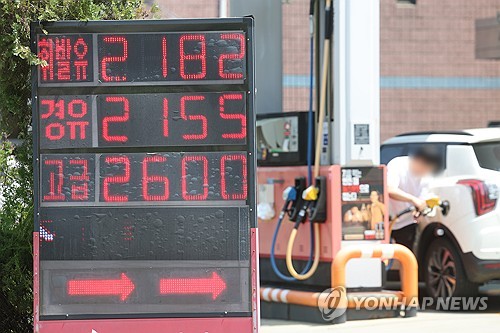
Middle East War Impact on Korea’s Output, Consumption, Investment and Inflation Faces Data Test
Key Korean indicators due from June 29 to July 3, 2026 will clarify the direction of production, retail sales, investment, prices and tax revenue. The central issue is whether oil, freight and currency volatility after the Middle East war is still feeding into domestic costs. Tax revenue will also shape views on fiscal room for the second half.

KOSPO Wins Veterans Ministry Plaque for Stable Jobs for Veterans’ Families
Korea Southern Power was recognized for helping veterans’ families secure stable jobs and better living conditions. The company kept its mandatory hiring rate for eligible veterans above 9% for five straight years. Executive memorial visits and housing improvement projects were also counted as key social contribution achievements.

Alan Greenspan Dies at 100: 19-Year Fed Chair Who Shaped Global Markets
Alan Greenspan, former chair of the Federal Reserve, died on June 22 local time at 100. He led the Fed from 1987 to 2006 and became a defining central banker of the long U.S. expansion. His Greenspan put helped stabilize market psychology, while low-rate policies left a lasting debate over bubbles and leverage. For Korea, his era made Fed signals central to

Warsh Signals End of Fed Forward Guidance, Jolting U.S. Treasuries and Korean Markets
Kevin Warsh’s Fed is moving toward a less prescriptive communication regime. The 2% inflation target remains in place, but guidance on the future rate path is likely to weaken. U.S. Treasury volatility is rising, and Korea faces spillovers through exchange rates, foreign flows and corporate funding costs.

Warsh’s Fed Guidance Pullback Raises U.S. Borrowing-Cost Risk and Korea Market Watch
Warsh’s proposal would scale back the Fed’s habit of steering markets through detailed rate-path signals. Less guidance can increase uncertainty premiums in U.S. Treasuries and private credit. Korea faces spillovers through the won, dollar funding costs and bond-market flows.

Altcoins Stay Weak as Rate Pressure Overrides Ceasefire Hopes
Altcoins have not produced a broad rebound even as geopolitical risk eases. Total crypto market value stands near $2.26 trillion, or about 3,452 trillion won, while Bitcoin dominance remains high at 56.6%. U.S. rates at 3.50%-3.75% and Korea’s 2.50% base rate are limiting rotation into smaller tokens.
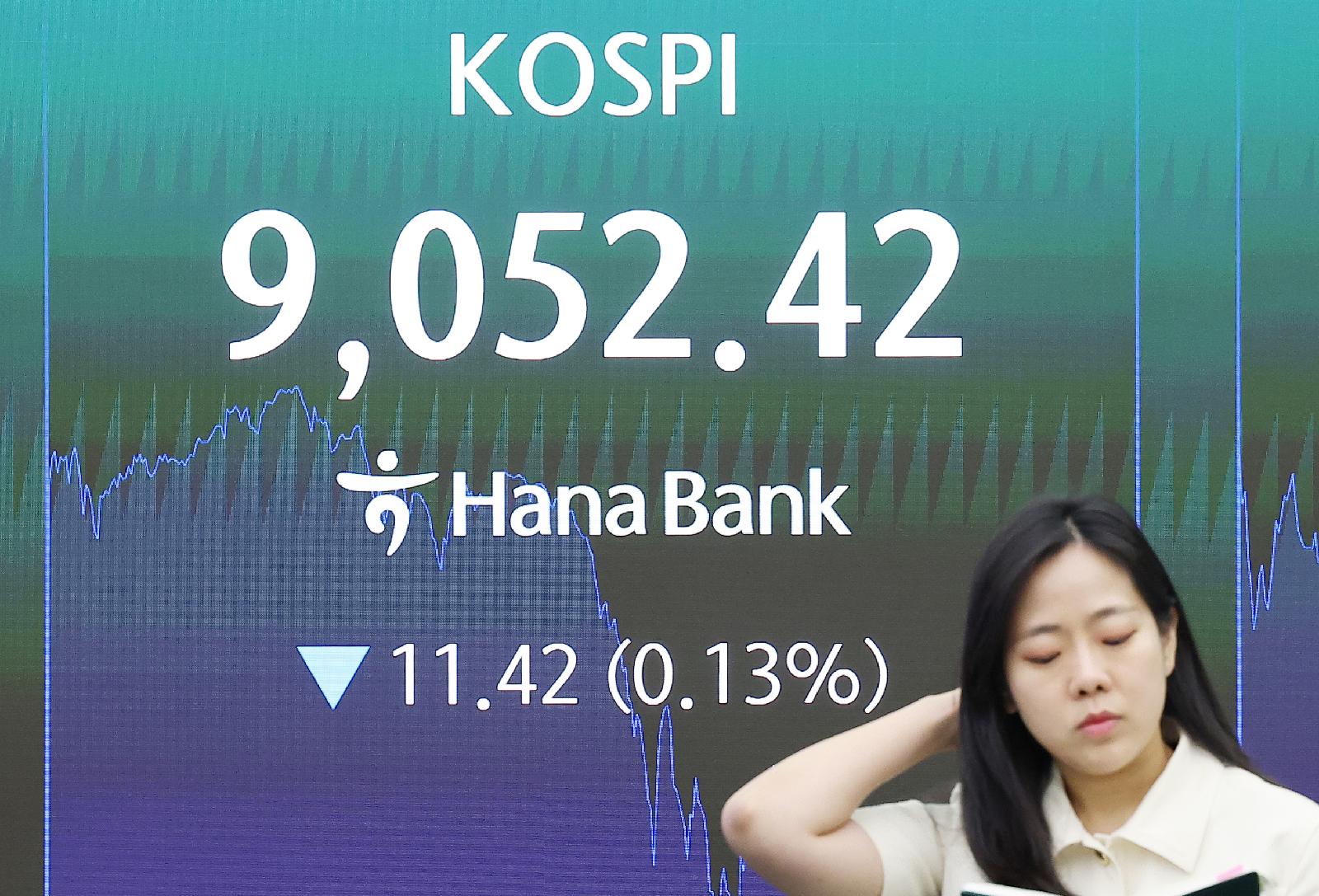
KOSPI Breaks 9,000 for the First Time as Micron Earnings and U.S. PCE Set the Next Test
The KOSPI has entered a new range after touching 9,000 for the first time. This week’s key catalysts are Micron’s earnings and the U.S. May PCE price index. Strong memory-chip signals could support further gains, while sticky inflation would pressure rates, the dollar and Korean growth stocks.
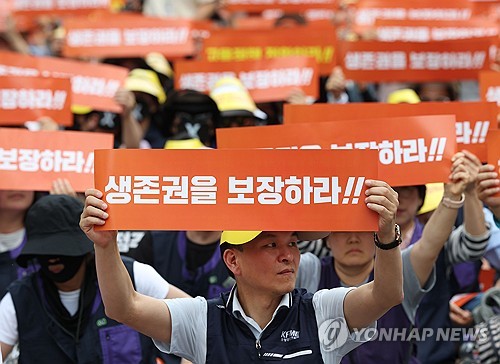
Small Business Minimum Wage Burden Deepens as 38% Cut Hiring
Most small business owners view the current 10,320 won minimum wage as a major cost burden. More than eight in ten feel pressure, and 38% have reduced employment. Labor costs are shaping hiring, pricing, hours, and automation decisions.