KOSPI Breaks 9,000 for the First Time as Micron Earnings and U.S. PCE Set the Next Test
The KOSPI has entered a new range after touching 9,000 for the first time. This week’s key catalysts are Micron’s earnings and the U.S. May PCE price index. Strong memory-chip signals could support further gains, while sticky inflation would pressure rates, the dollar and Korean growth stocks.
Partner picks
Relevant partner links for this story
A lightweight commerce block designed to add monetization without breaking reading flow.
Advertisement
This module may include affiliate links that earn a commission from qualifying purchases. 매크로시그널
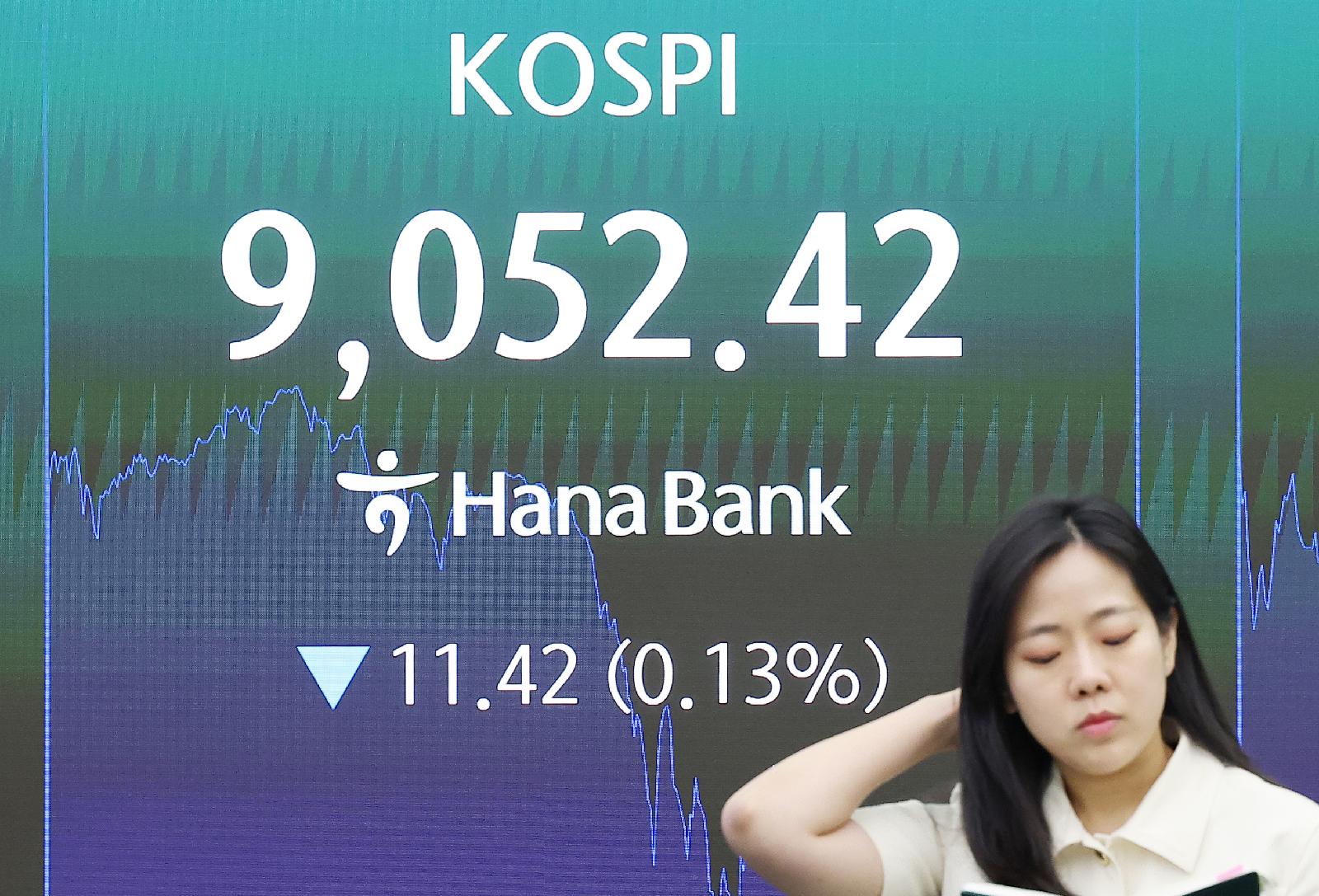
The KOSPI has crossed the 9,000 mark for the first time, but the market has not yet settled the question of whether the move can hold. The trend is supported by semiconductor earnings expectations, while the near-term direction depends on Micron’s results and the U.S. May personal consumption expenditures price index.
Market Structure After 9,000
At 9,000 points, a 1% move equals 90 points and a 2% move equals 180 points, making ordinary percentage swings feel much larger. AI server investment, high-bandwidth memory and firmer DRAM pricing remain the core of the rally. Because Samsung Electronics and SK Hynix carry heavy weight in the benchmark, industry news can move the entire index. Korean pension accounts, retirement plans and equity ETFs are now more directly exposed to this higher-volatility range.
Two Tests This Week
Micron reports after the U.S. market close on June 24. Investors will focus less on headline sales and more on memory pricing, data-center demand, HBM supply and next-quarter guidance. The second test is the U.S. May PCE reading, due late on June 25 in Korea. A hotter number would lift Treasury yields, the dollar and the won-dollar exchange rate. If inflation cools and Micron confirms margin improvement, the 9,000 level can become a new reference point for Korean equities.
Partner picks
Relevant partner links for this story
A lightweight commerce block designed to add monetization without breaking reading flow.
Advertisement
This module may include affiliate links that earn a commission from qualifying purchases. 매크로시그널
Key points
- The KOSPI has entered a new range after touching 9,000 for the first time. This week’s key catalysts are Micron’s earnings and the U.S. May PCE price index. Strong memory-chip signals could support further gains, while sticky inflation would pressure rates, the dollar and Korean growth stocks.
- Use the body and FAQ context before acting on this update.
- Compare with related issues inside the category hub.
FAQ
What does the KOSPI moving above 9,000 mean?
It marks a new valuation range for Korean equities driven by semiconductor earnings and AI investment expectations. It also means point volatility becomes much larger at the same percentage move.
Why do Micron earnings matter for Korea?
Micron is a key signal for the memory cycle. HBM demand, DRAM pricing, inventory and guidance can directly affect sentiment toward Samsung Electronics and SK Hynix.
How can U.S. PCE inflation affect the KOSPI?
A high PCE reading can raise U.S. yields and the dollar, pressuring the won and foreign flows into Korean shares. Softer inflation can ease valuation pressure on growth and chip stocks.
Related stories

Altcoins Stay Weak as Rate Pressure Overrides Ceasefire Hopes
Altcoins have not produced a broad rebound even as geopolitical risk eases. Total crypto market value stands near $2.26 trillion, or about 3,452 trillion won, while Bitcoin dominance remains high at 56.6%. U.S. rates at 3.50%-3.75% and Korea’s 2.50% base rate are limiting rotation into smaller tokens.

Small Business Minimum Wage Burden Deepens as 38% Cut Hiring
Most small business owners view the current 10,320 won minimum wage as a major cost burden. More than eight in ten feel pressure, and 38% have reduced employment. Labor costs are shaping hiring, pricing, hours, and automation decisions.

Eggs at 5,200 Won for 10 Signal Mounting Pressure on Korean Grocery Prices
The price of 10 eggs has risen to around 5,200 won, intensifying pressure on household food budgets. Eggs are a basic ingredient used in homes, school meals, restaurants, bakeries, and quick meals. The increase is not just about one item; it raises the visible cost of everyday eating. Consumers are expected to seek discounts and substitutes more actively.
Partner picks
Relevant partner links for this story
A lightweight commerce block designed to add monetization without breaking reading flow.
Advertisement
This module may include affiliate links that earn a commission from qualifying purchases. 매크로시그널