Migrant Workers Press for Employment Permit Reform as Abuse Blocks Job Mobility
Migrant workers are challenging workplace transfer restrictions under South Korea’s Employment Permit System. They say abuse, unpaid wages and violence can continue when employer consent is needed to change jobs. The debate now sits between labor rights and the staffing needs of small manufacturers, farms and other labor-short sectors.
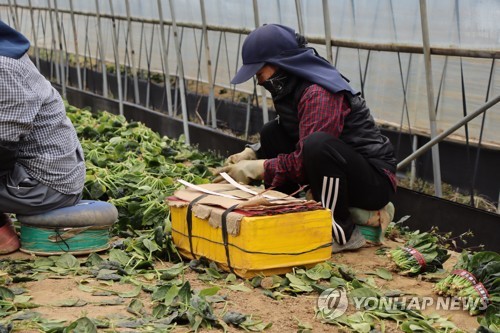
Migrant workers are calling for a redesign of South Korea’s Employment Permit System after repeated cases in which workers facing violence or verbal abuse could not easily leave their workplaces. The central issue is the rule that makes job changes difficult without employer consent. For many workers, visa status and employment are tied together, turning a complaint into a direct threat to income and legal stay.
Transfer Limits Create a Blind Spot
The system has helped small manufacturers, farms, construction sites and selected service businesses fill chronic labor shortages. But the same structure can restrict workers who need to escape unsafe or abusive workplaces. When wage arrears, excessive hours, threats or assault occur, the burden of proof and slow procedures often leave workers stuck. If an employer refuses to approve a transfer, a worker may endure poor conditions for much of a roughly three-year work period.
Labor Shortages Meet Rights Risks
Migrant labor is now essential to many local industrial zones and rural communities in Korea. Still, a policy designed to secure manpower can create serious rights risks when mobility is too tightly controlled. Limiting transfers may reduce short-term turnover for employers, but it can raise long-term costs through accidents, disputes, loss of skilled workers and reputational damage in export supply chains.
Reform Direction
The demand is not unlimited job hopping. Workers are seeking fast, independent transfer rights when violence, sexual harassment, unpaid wages or safety violations are credible or urgent. A fair process would allow labor authorities, local governments and interpretation support groups to verify facts while protecting victims. Reform has become a labor rights issue and a practical workforce policy issue for Korea’s small-business economy.
Key points
- Migrant workers are challenging workplace transfer restrictions under South Korea’s Employment Permit System. They say abuse, unpaid wages and violence can continue when employer consent is needed to change jobs. The debate now sits between labor rights and the staffing needs of small manufacturers, farms and other labor-short sectors.
- Use the body and FAQ context before acting on this update.
- Compare with related issues inside the category hub.
FAQ
What reform are migrant workers demanding?
They want the right to change workplaces quickly without employer consent when abuse, violence, unpaid wages or serious violations occur.
Why are transfer limits controversial?
Because workers’ visas and jobs are linked, making it risky to report abuse or leave unsafe workplaces.
How could reform affect Korean industries?
It may require staffing adjustments, but it could also reduce disputes, accidents and the loss of experienced migrant workers.
Latest stories

Labor Minister Visits AI-Transition Manufacturer to Review Automation and Jobs
Labor Minister Kim Young-hoon inspected an AI transition site at a small manufacturer in Goyang on the 26th. The visit focused on whether automation can improve productivity while supporting employment. Policy support is expected to be most effective when equipment investment is linked with training, job redesign and workplace safety.
Korean Treasury Yields Mixed as FX Strain Meets Safety Demand, 3-Year at 3.722%
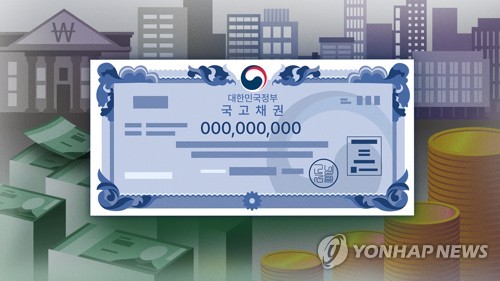
Korean Treasury yields were mixed on the 26th as foreign-exchange pressure and safety demand acted at the same time. A sharp fall in equities supported bond buying, while won weakness limited the decline in yields. The three-year Treasury yield recorded 3.722%, showing caution across domestic funding markets.
Middle East War Impact on Korea’s Output, Consumption, Investment and Inflation Faces Data Test
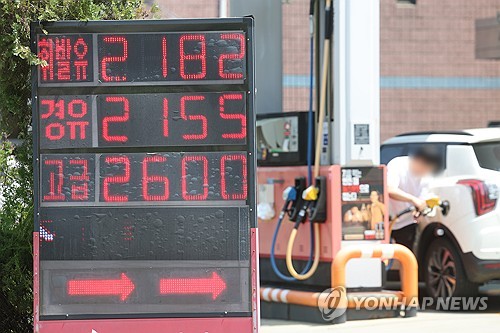
Key Korean indicators due from June 29 to July 3, 2026 will clarify the direction of production, retail sales, investment, prices and tax revenue. The central issue is whether oil, freight and currency volatility after the Middle East war is still feeding into domestic costs. Tax revenue will also shape views on fiscal room for the second half.

KOSPO Wins Veterans Ministry Plaque for Stable Jobs for Veterans’ Families
Korea Southern Power was recognized for helping veterans’ families secure stable jobs and better living conditions. The company kept its mandatory hiring rate for eligible veterans above 9% for five straight years. Executive memorial visits and housing improvement projects were also counted as key social contribution achievements.
Alan Greenspan Dies at 100: 19-Year Fed Chair Who Shaped Global Markets
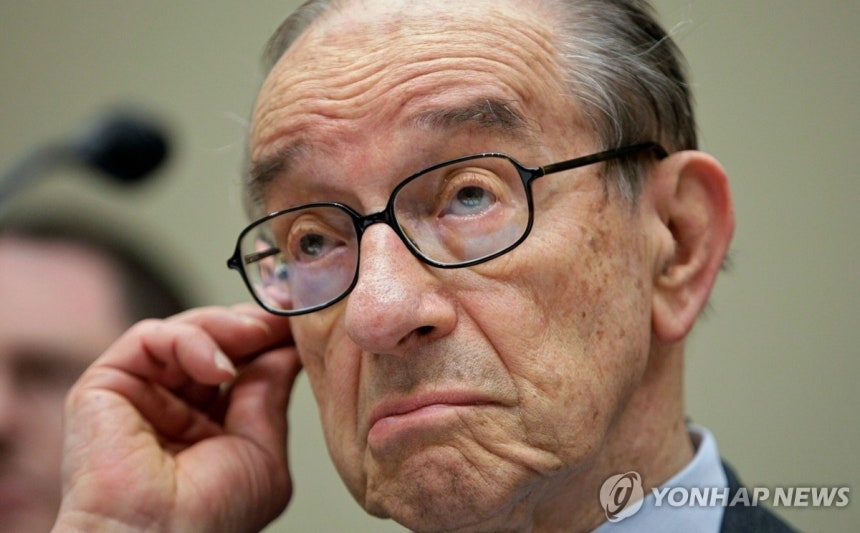
Alan Greenspan, former chair of the Federal Reserve, died on June 22 local time at 100. He led the Fed from 1987 to 2006 and became a defining central banker of the long U.S. expansion. His Greenspan put helped stabilize market psychology, while low-rate policies left a lasting debate over bubbles and leverage. For Korea, his era made Fed signals central to
Warsh Signals End of Fed Forward Guidance, Jolting U.S. Treasuries and Korean Markets
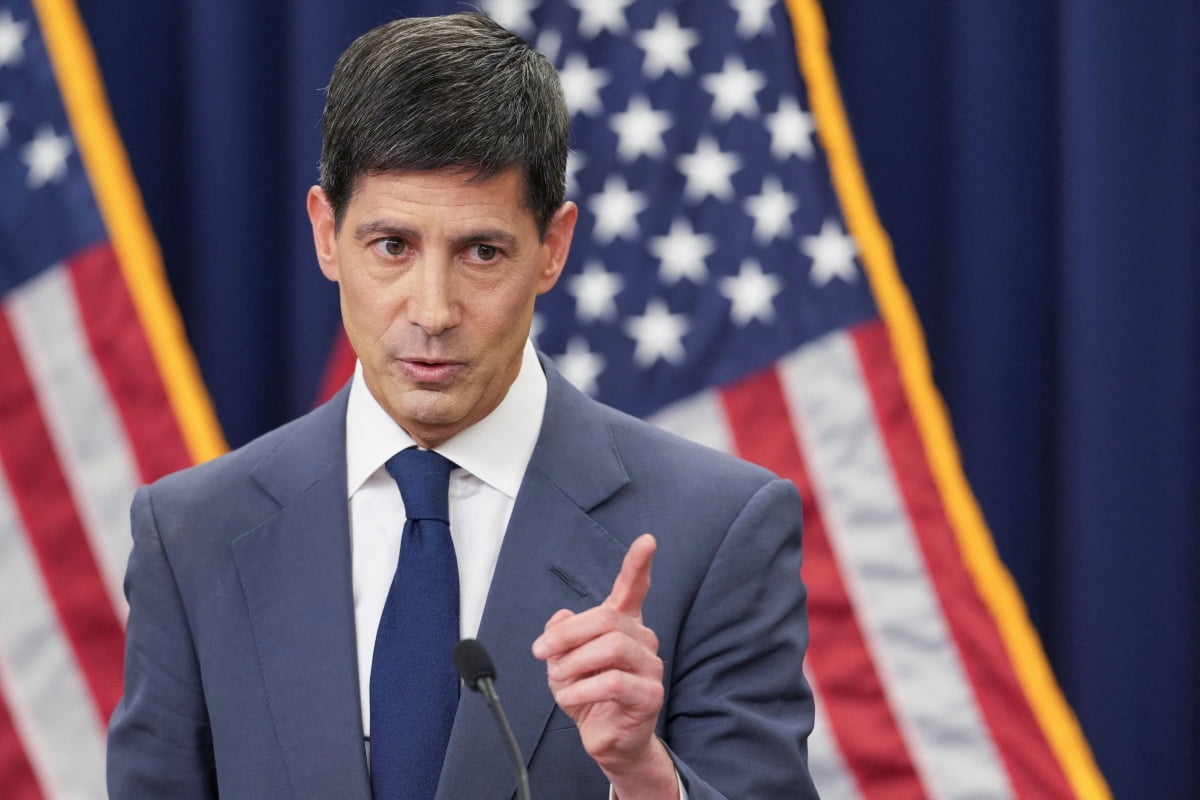
Kevin Warsh’s Fed is moving toward a less prescriptive communication regime. The 2% inflation target remains in place, but guidance on the future rate path is likely to weaken. U.S. Treasury volatility is rising, and Korea faces spillovers through exchange rates, foreign flows and corporate funding costs.
Warsh’s Fed Guidance Pullback Raises U.S. Borrowing-Cost Risk and Korea Market Watch
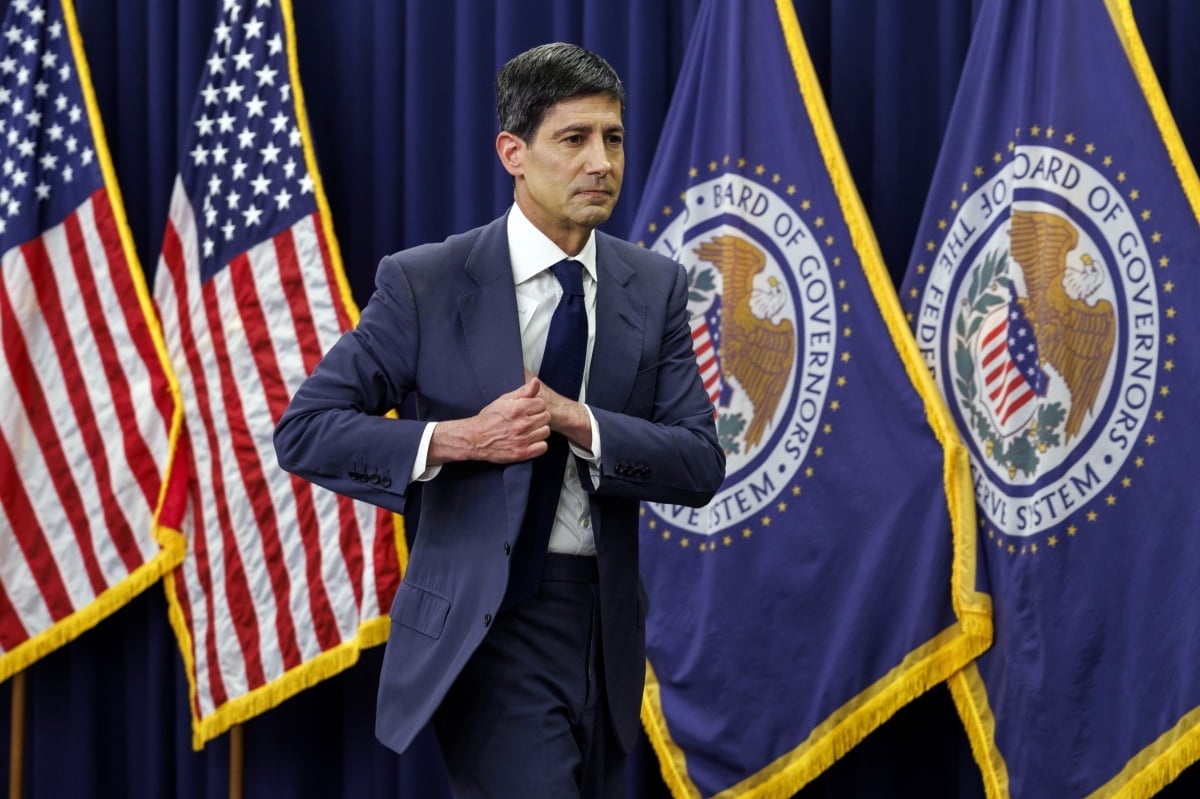
Warsh’s proposal would scale back the Fed’s habit of steering markets through detailed rate-path signals. Less guidance can increase uncertainty premiums in U.S. Treasuries and private credit. Korea faces spillovers through the won, dollar funding costs and bond-market flows.

Altcoins Stay Weak as Rate Pressure Overrides Ceasefire Hopes
Altcoins have not produced a broad rebound even as geopolitical risk eases. Total crypto market value stands near $2.26 trillion, or about 3,452 trillion won, while Bitcoin dominance remains high at 56.6%. U.S. rates at 3.50%-3.75% and Korea’s 2.50% base rate are limiting rotation into smaller tokens.