Korea Treasury Yields Mixed as 3-Year Bond Trades at 3.722%
Korean government bond yields showed a mixed pattern by maturity on the 26th. The three-year yield, a key policy-sensitive benchmark, stood at 3.722%. The move reflected shifting expectations for monetary policy, domestic liquidity conditions and risk appetite. For investors, it is a signal to reassess loan rates, corporate funding costs and bond fund exposu

Korean government bond yields lacked a single direction on the 26th, moving in mixed fashion across maturities. The three-year Korean Treasury yield stood at 3.722%. The market is weighing the future path of policy rates, the pace of inflation moderation and domestic funding supply at the same time.
Three-Year Yield at 3.722%
The three-year yield is one of Korea’s most closely watched indicators for monetary policy expectations. It also influences pricing references for bank bonds, corporate bonds and lending rates, making it relevant to both household and corporate financing costs. The mixed movement shows that the market is not trading solely on rate-cut expectations. Softer growth and inflation signals may pressure yields lower, but won liquidity conditions, government bond supply and global rate moves can limit the downside.
Market Impact
Mixed Treasury yields require investors to look beyond headline direction. When yields rise, existing bond prices fall; when yields decline, existing bond prices rise. In a divided maturity curve, duration, credit quality and maturity structure matter more than a simple increase or reduction in bond allocation. For Korean companies, the three-year yield can influence corporate bond issuance and bank funding costs. Households may feel indirect effects through mortgage and credit loan pricing tied to bank funding benchmarks. Bond funds and retirement accounts denominated in won can also see short-term valuation swings.
Outlook
Korea’s bond market is likely to keep moving between expectations for policy easing and actual inflation and growth data. With the three-year yield at 3.722%, traders are quickly pricing near-term policy assumptions. If divergence by maturity continues, the short-to-mid curve may remain more sensitive than the long end. Investors should avoid treating the rate path as certain and consider staged purchases, maturity diversification and credit-risk checks. Companies should review refinancing schedules, while households should compare the real burden of floating and fixed-rate borrowing.
Key points
- Korean government bond yields showed a mixed pattern by maturity on the 26th. The three-year yield, a key policy-sensitive benchmark, stood at 3.722%. The move reflected shifting expectations for monetary policy, domestic liquidity conditions and risk appetite. For investors, it is a signal to reassess loan rates, corporate funding costs and bond fund exposu
- Use the body and FAQ context before acting on this update.
- Compare with related issues inside the category hub.
FAQ
What was the Korean three-year Treasury yield on the 26th?
The three-year Korean Treasury yield stood at 3.722%.
What does a mixed move in Treasury yields mean?
It means yields did not move in one direction across all maturities; some segments rose while others fell or held steady.
Why do Korean Treasury yields matter to households and companies?
They influence bank bond yields, corporate borrowing costs and loan pricing, affecting both debt servicing and financing plans.
Latest stories

Labor Minister Visits AI-Transition Manufacturer to Review Automation and Jobs
Labor Minister Kim Young-hoon inspected an AI transition site at a small manufacturer in Goyang on the 26th. The visit focused on whether automation can improve productivity while supporting employment. Policy support is expected to be most effective when equipment investment is linked with training, job redesign and workplace safety.
Korean Treasury Yields Mixed as FX Strain Meets Safety Demand, 3-Year at 3.722%
Korean Treasury yields were mixed on the 26th as foreign-exchange pressure and safety demand acted at the same time. A sharp fall in equities supported bond buying, while won weakness limited the decline in yields. The three-year Treasury yield recorded 3.722%, showing caution across domestic funding markets.
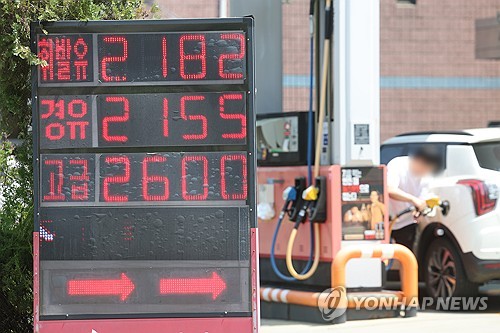
Middle East War Impact on Korea’s Output, Consumption, Investment and Inflation Faces Data Test
Key Korean indicators due from June 29 to July 3, 2026 will clarify the direction of production, retail sales, investment, prices and tax revenue. The central issue is whether oil, freight and currency volatility after the Middle East war is still feeding into domestic costs. Tax revenue will also shape views on fiscal room for the second half.

KOSPO Wins Veterans Ministry Plaque for Stable Jobs for Veterans’ Families
Korea Southern Power was recognized for helping veterans’ families secure stable jobs and better living conditions. The company kept its mandatory hiring rate for eligible veterans above 9% for five straight years. Executive memorial visits and housing improvement projects were also counted as key social contribution achievements.
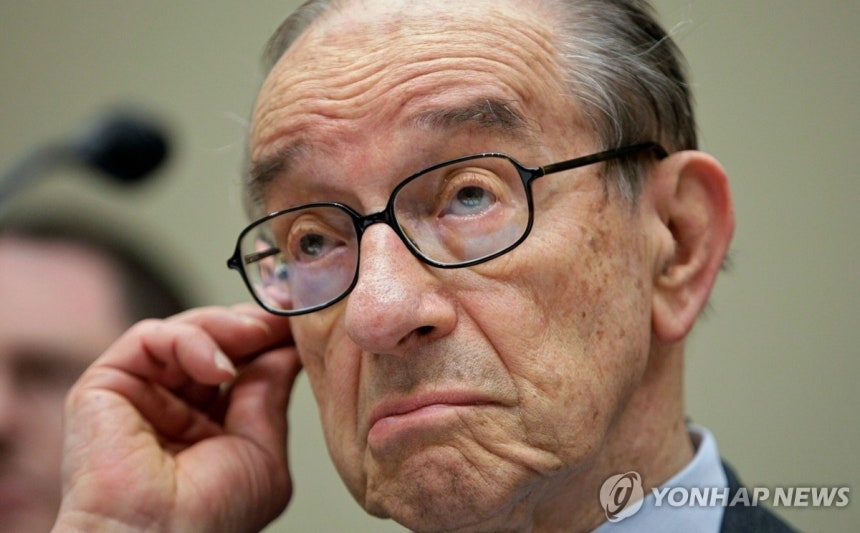
Alan Greenspan Dies at 100: 19-Year Fed Chair Who Shaped Global Markets
Alan Greenspan, former chair of the Federal Reserve, died on June 22 local time at 100. He led the Fed from 1987 to 2006 and became a defining central banker of the long U.S. expansion. His Greenspan put helped stabilize market psychology, while low-rate policies left a lasting debate over bubbles and leverage. For Korea, his era made Fed signals central to
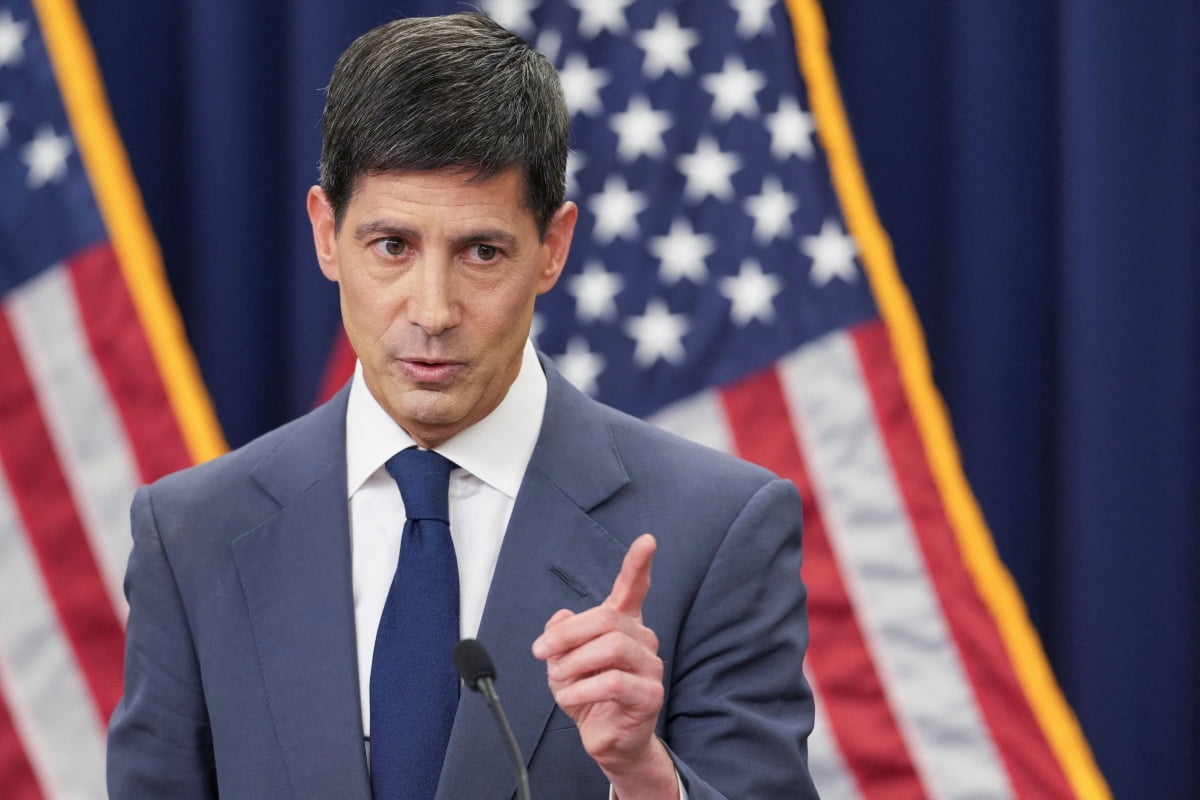
Warsh Signals End of Fed Forward Guidance, Jolting U.S. Treasuries and Korean Markets
Kevin Warsh’s Fed is moving toward a less prescriptive communication regime. The 2% inflation target remains in place, but guidance on the future rate path is likely to weaken. U.S. Treasury volatility is rising, and Korea faces spillovers through exchange rates, foreign flows and corporate funding costs.

Warsh’s Fed Guidance Pullback Raises U.S. Borrowing-Cost Risk and Korea Market Watch
Warsh’s proposal would scale back the Fed’s habit of steering markets through detailed rate-path signals. Less guidance can increase uncertainty premiums in U.S. Treasuries and private credit. Korea faces spillovers through the won, dollar funding costs and bond-market flows.
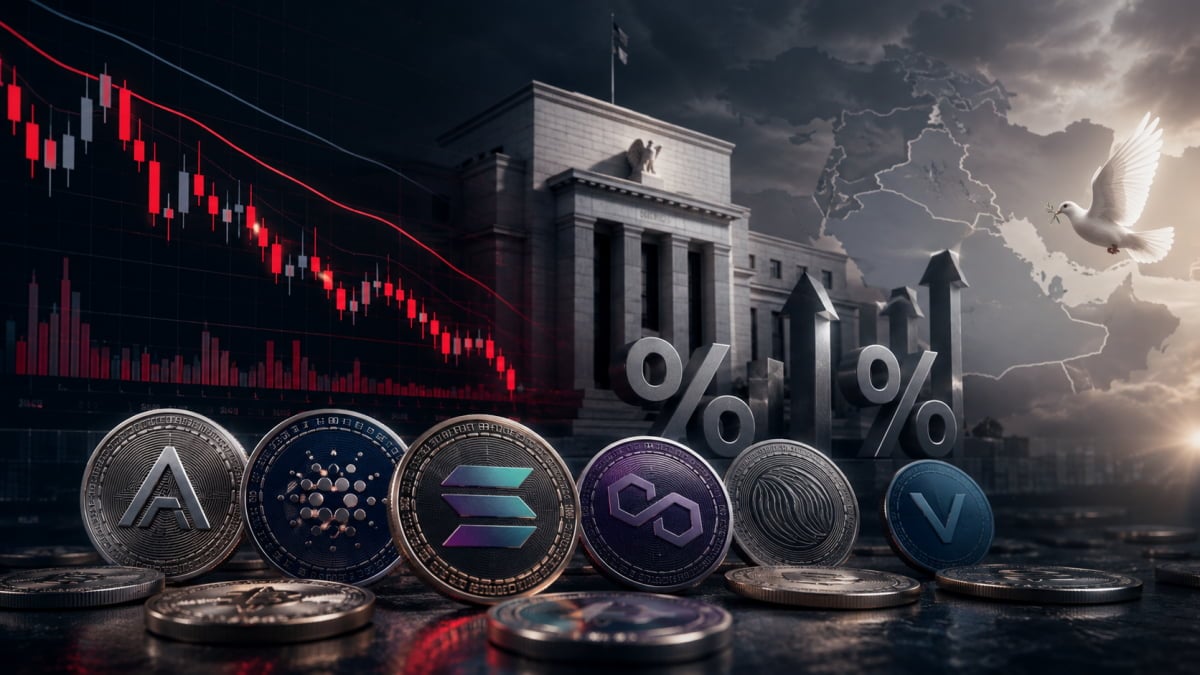
Altcoins Stay Weak as Rate Pressure Overrides Ceasefire Hopes
Altcoins have not produced a broad rebound even as geopolitical risk eases. Total crypto market value stands near $2.26 trillion, or about 3,452 trillion won, while Bitcoin dominance remains high at 56.6%. U.S. rates at 3.50%-3.75% and Korea’s 2.50% base rate are limiting rotation into smaller tokens.