Korean Stocks Face Inflation and Jobs Tests as Foreign Selling Signals Shift
Korean stocks have turned volatile as AI investment costs and foreign selling weigh on sentiment. Chip-sector hopes tied to Samsung Electronics and SK Hynix are cushioning the market. Inflation and employment data this week will shape rate expectations, the won-dollar exchange rate and foreign flows.
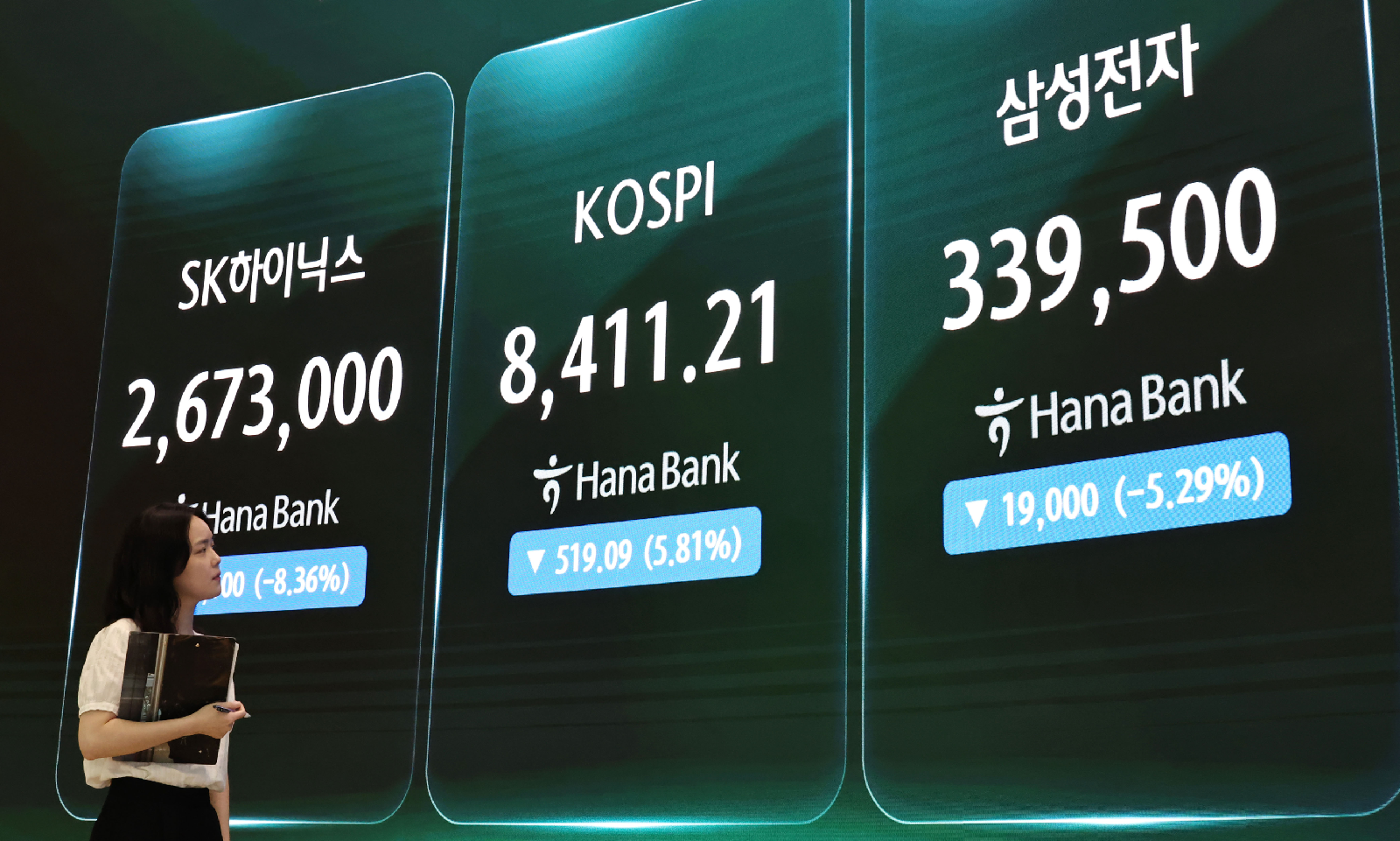
Inflation and employment indicators have become the biggest near-term risk for Korean equities this week. In the final week of June, the market has struggled to find direction as AI investment costs, foreign selling and chip earnings hopes collided. The KOSPI showed a strong rebound on June 25, but profit-taking and caution over external variables quickly restored volatility.
AI costs meet chip optimism
The central market question is whether AI-driven growth can offset its rising cost burden. Global spending on AI infrastructure continues to support demand for high-bandwidth memory, server DRAM and NAND. Strong results from Micron lifted expectations for Korea’s large semiconductor names. Samsung Electronics and SK Hynix are supported by recovering memory prices, expanding HBM supply and continued data-center investment.
But AI exposure does not guarantee a one-way rally. AI servers and data centers require heavy spending on power, equipment and depreciation. As investors worry that these costs may pressure margins, growth-stock valuations have become more fragile. For Korean investors, a recovery in semiconductor exports and the translation benefit from a weaker won remain positives, but continued foreign selling could limit index momentum.
Hidden signals in foreign selling
Foreign selling should not be read only as a market exit. Around elevated index levels, profit-taking has appeared, while selective buying remains visible in parts of semiconductors, financials and autos. This points more to positioning before inflation and jobs releases than to a full withdrawal from Korean equities. When the won-dollar exchange rate stays high, foreign investors first calculate currency-loss risk. If expectations for U.S. rate cuts recover, Korea’s relative appeal can improve quickly.
Domestic policy variables also matter. Short-selling normalization, the corporate value-up program and dividend expansion expectations can influence medium-term flows. Foreign investors are likely to focus on companies with clearer governance improvement, shareholder returns and earnings visibility.
Data will decide direction
This week’s inflation and jobs figures are the key data points for the market’s short-term direction. Hotter-than-expected inflation would weaken rate-cut expectations and pressure growth stocks. An overly strong labor market could have the same effect. If inflation cools while employment adjusts gradually, risk appetite is likely to recover.
For investors, confirmation matters more than chasing rallies. The broader semiconductor recovery remains intact, but exchange rates and foreign flows can shift sharply around data releases. The KOSPI’s next move will be decided not by AI hopes alone, but by inflation, jobs and the rate outlook together.
Key points
- Korean stocks have turned volatile as AI investment costs and foreign selling weigh on sentiment. Chip-sector hopes tied to Samsung Electronics and SK Hynix are cushioning the market. Inflation and employment data this week will shape rate expectations, the won-dollar exchange rate and foreign flows.
- Use the body and FAQ context before acting on this update.
- Compare with related issues inside the category hub.
FAQ
What is the key variable for Korean stocks this week?
Inflation and employment data are the key variables because they can move rate expectations, the won-dollar exchange rate and foreign flows.
What does foreign selling mean for the market?
It looks more like profit-taking and position adjustment before major data releases than a broad exit, with selective buying still visible.
Why are semiconductor stocks still in focus?
AI server investment, HBM demand and recovering memory prices continue to support earnings expectations for Samsung Electronics and SK Hynix.
Latest stories
Jobless Growth and Weak Domestic Demand Put Korea on Alert for Five Risks
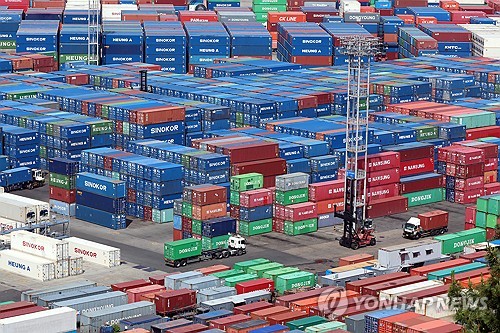
South Korea has regained export momentum through semiconductors, yet the recovery remains uneven. Jobless growth and weak domestic demand are the main pressure points. A shift toward tighter monetary policy, wider stock-market swings and a slow construction recovery could weigh on the second half.
Eggs at 5,000 Won for 10 Push Korea to Spend 1 Trillion Won on Prices
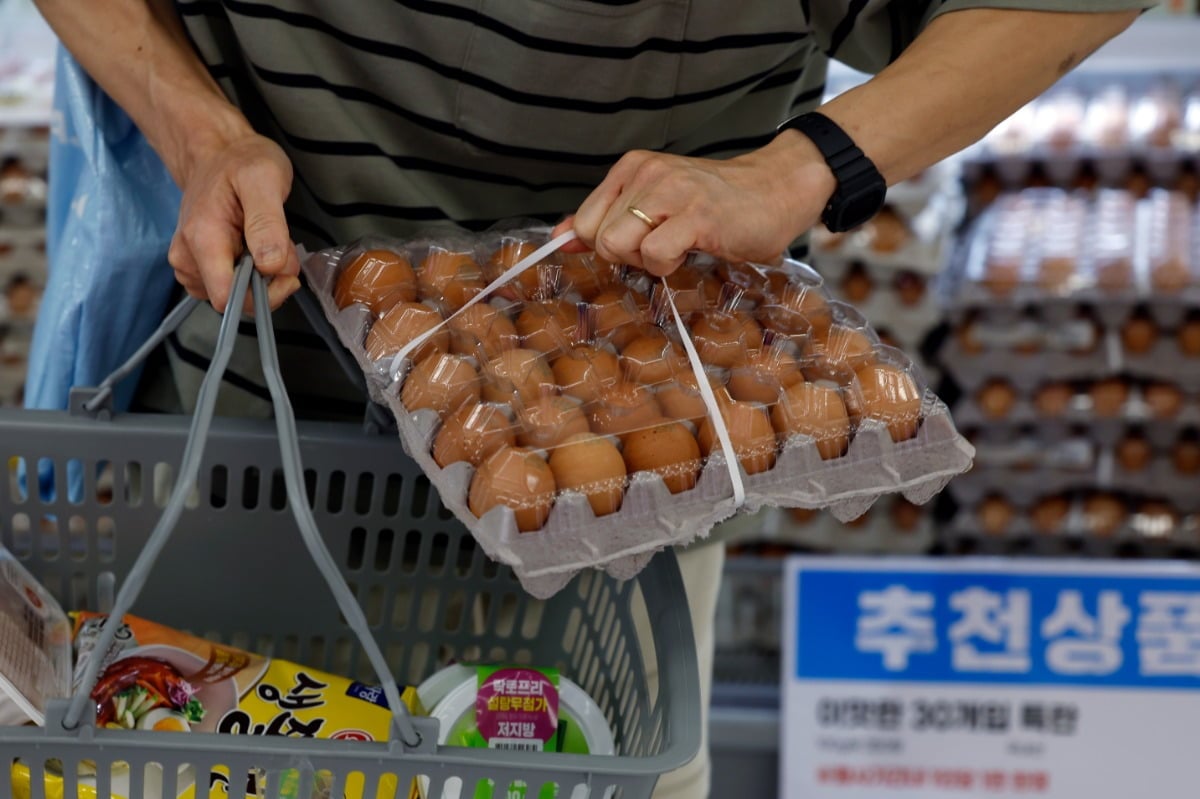
Egg prices at 5,000 won for 10 have become a clear signal of household inflation in Korea. A 1 trillion won fiscal package is being deployed to ease food-price pressure. Discounts and supply management may help in the short term, but feed, logistics and weather remain major risks.
Korea’s second-half growth strategy targets three highs and youth employment
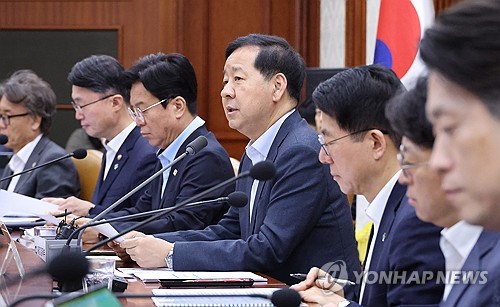
The second-half strategy puts the three highs at the center of economic management. The goal is to ease household costs, reduce financing pressure and limit exchange-rate volatility. Youth employment is treated as a growth issue, not only a labor-market issue.
AI Job Anxiety Splits Korea and the U.S. as Koreans Hold On and Americans Move
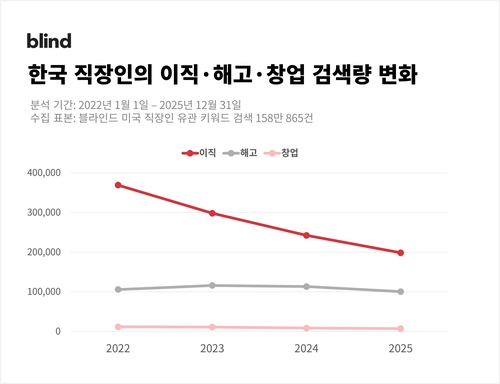
AI is raising job anxiety, but Korea and the U.S. are reacting differently. U.S. employees are moving through job changes, retraining and relocation, while Korean employees prefer stable employment and internal transfers. Writing, customer support and junior coding are highly exposed to automation. AI wage premiums, converted into won, deepen the pressure.
Mortgage Rates Rebound to 4.32% as Market Yields Rise Again
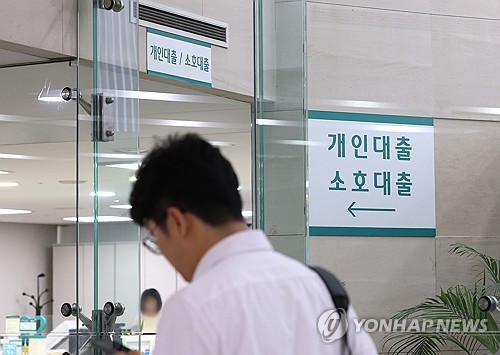
Mortgage rates turned upward after one month and reached 4.32%. The increase was only 0.01 percentage point, but it shows that rising market yields are feeding into household borrowing costs. Borrowers need to review repayment burdens, refinancing options and DSR limits.

Labor Minister Visits AI-Transition Manufacturer to Review Automation and Jobs
Labor Minister Kim Young-hoon inspected an AI transition site at a small manufacturer in Goyang on the 26th. The visit focused on whether automation can improve productivity while supporting employment. Policy support is expected to be most effective when equipment investment is linked with training, job redesign and workplace safety.
Korean Treasury Yields Mixed as FX Strain Meets Safety Demand, 3-Year at 3.722%
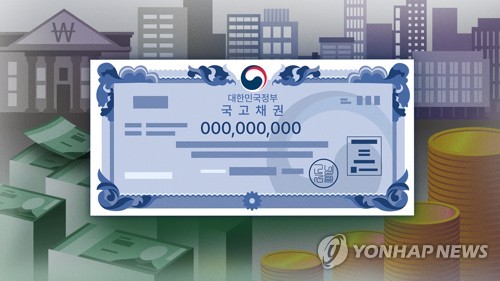
Korean Treasury yields were mixed on the 26th as foreign-exchange pressure and safety demand acted at the same time. A sharp fall in equities supported bond buying, while won weakness limited the decline in yields. The three-year Treasury yield recorded 3.722%, showing caution across domestic funding markets.
Middle East War Impact on Korea’s Output, Consumption, Investment and Inflation Faces Data Test
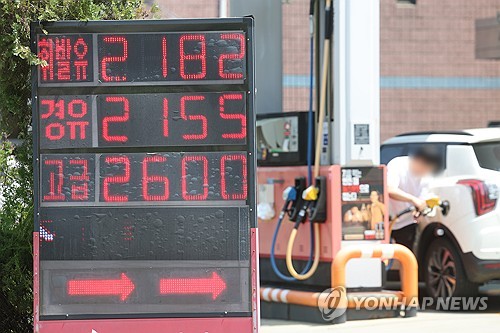
Key Korean indicators due from June 29 to July 3, 2026 will clarify the direction of production, retail sales, investment, prices and tax revenue. The central issue is whether oil, freight and currency volatility after the Middle East war is still feeding into domestic costs. Tax revenue will also shape views on fiscal room for the second half.