Stronger Rate-Hike Signal Jolts FX and Bonds as Yields Climb
Foreign exchange and bond markets reacted sharply to a stronger rate-hike signal. Bond yields rose as investors reassessed the policy-rate path and inflation risks. A weaker won can affect import prices, foreign flows and Korean asset valuations. Markets are watching inflation data and central-bank language closely.

A stronger rate-hike signal is shaking both currency and bond markets. The key conclusion is clear: markets are assigning more weight to additional tightening or a longer period of high rates than to near-term cuts. That shift is lifting bond yields and forcing a faster repricing of won assets.
Policy Path Repriced
Bond yields move quickly when policy-rate expectations change. If the chance of a rate increase rises, newly issued bonds become more attractive and prices of existing bonds fall. The result is higher market yields. Short-term bonds respond most directly to the expected policy rate, while longer maturities also reflect inflation, growth and fiscal risk. One basis point equals 0.01 percentage point, so even a 10bp move can alter valuation gains and losses for banks, insurers and pension funds.
FX Pressure Matters
The currency market is also reacting. Stronger tightening expectations tend to support high-yielding currencies such as the dollar and can put depreciation pressure on the Korean won. A higher won-dollar exchange rate raises the local-currency cost of imported energy, raw materials and consumer goods. For companies, it can increase dollar debt and settlement costs. For households, the impact can arrive through fuel and import prices. Foreign investors also watch FX risk, making Korean bond and equity flows more sensitive.
What Comes Next
The main variables are inflation, central-bank communication, the U.S. rate path and the scale of won weakness. Bond investors need to monitor duration, yield-curve changes and credit spreads. Floating-rate borrowers should expect market-rate moves to feed into loan resets. Corporate issuers face higher funding costs. FX and bond markets are likely to remain volatile until rate-hike signals fade or high-for-longer policy becomes firmly priced in.
Key points
- Foreign exchange and bond markets reacted sharply to a stronger rate-hike signal. Bond yields rose as investors reassessed the policy-rate path and inflation risks. A weaker won can affect import prices, foreign flows and Korean asset valuations. Markets are watching inflation data and central-bank language closely.
- Use the body and FAQ context before acting on this update.
- Compare with related issues inside the category hub.
FAQ
Why do bond yields rise when rate-hike signals strengthen?
Higher expected policy rates make new bonds more attractive and reduce prices of existing bonds. Falling bond prices show up as rising market yields.
How does a weaker won affect Korea?
It raises the won cost of imported energy, raw materials and goods, adding inflation pressure and affecting corporate dollar payments and foreign flows.
What should investors watch?
Inflation data, central-bank comments, U.S. rate expectations and the won-dollar exchange rate are the key variables.
Latest stories

Eggs at 5,000 Won for 10 Push Korea to Spend 1 Trillion Won on Prices
Egg prices at 5,000 won for 10 have become a clear signal of household inflation in Korea. A 1 trillion won fiscal package is being deployed to ease food-price pressure. Discounts and supply management may help in the short term, but feed, logistics and weather remain major risks.

Korea’s second-half growth strategy targets three highs and youth employment
The second-half strategy puts the three highs at the center of economic management. The goal is to ease household costs, reduce financing pressure and limit exchange-rate volatility. Youth employment is treated as a growth issue, not only a labor-market issue.
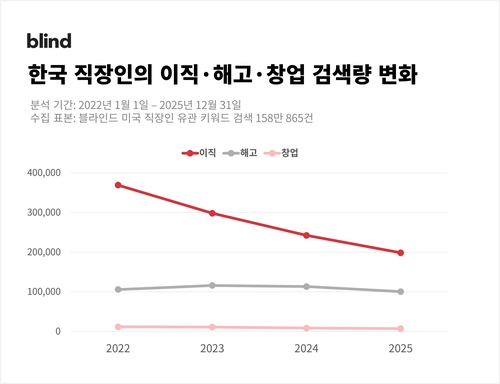
AI Job Anxiety Splits Korea and the U.S. as Koreans Hold On and Americans Move
AI is raising job anxiety, but Korea and the U.S. are reacting differently. U.S. employees are moving through job changes, retraining and relocation, while Korean employees prefer stable employment and internal transfers. Writing, customer support and junior coding are highly exposed to automation. AI wage premiums, converted into won, deepen the pressure.
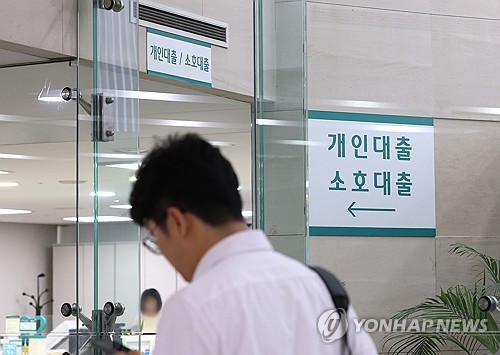
Mortgage Rates Rebound to 4.32% as Market Yields Rise Again
Mortgage rates turned upward after one month and reached 4.32%. The increase was only 0.01 percentage point, but it shows that rising market yields are feeding into household borrowing costs. Borrowers need to review repayment burdens, refinancing options and DSR limits.

Labor Minister Visits AI-Transition Manufacturer to Review Automation and Jobs
Labor Minister Kim Young-hoon inspected an AI transition site at a small manufacturer in Goyang on the 26th. The visit focused on whether automation can improve productivity while supporting employment. Policy support is expected to be most effective when equipment investment is linked with training, job redesign and workplace safety.
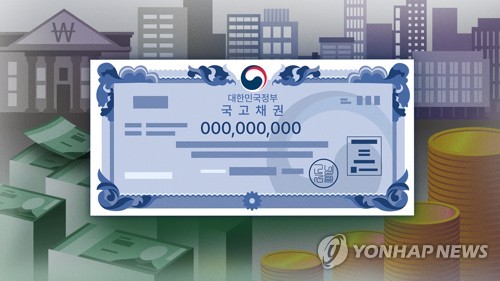
Korean Treasury Yields Mixed as FX Strain Meets Safety Demand, 3-Year at 3.722%
Korean Treasury yields were mixed on the 26th as foreign-exchange pressure and safety demand acted at the same time. A sharp fall in equities supported bond buying, while won weakness limited the decline in yields. The three-year Treasury yield recorded 3.722%, showing caution across domestic funding markets.
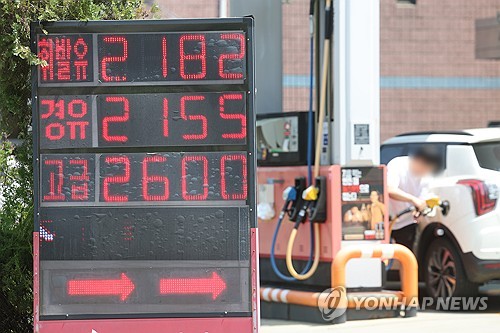
Middle East War Impact on Korea’s Output, Consumption, Investment and Inflation Faces Data Test
Key Korean indicators due from June 29 to July 3, 2026 will clarify the direction of production, retail sales, investment, prices and tax revenue. The central issue is whether oil, freight and currency volatility after the Middle East war is still feeding into domestic costs. Tax revenue will also shape views on fiscal room for the second half.

KOSPO Wins Veterans Ministry Plaque for Stable Jobs for Veterans’ Families
Korea Southern Power was recognized for helping veterans’ families secure stable jobs and better living conditions. The company kept its mandatory hiring rate for eligible veterans above 9% for five straight years. Executive memorial visits and housing improvement projects were also counted as key social contribution achievements.