Consumer Prices Jump 3.2% as Middle East War Drives Oil Shock
Consumer prices climbed 3.2% last month, marking the largest increase in 30 months. The main driver was a sharp rise in global oil prices after the Middle East war. Petroleum prices posted their strongest rise in 47 months, while agricultural goods and daily living costs also increased. Inflation will depend heavily on oil and exchange-rate trends.
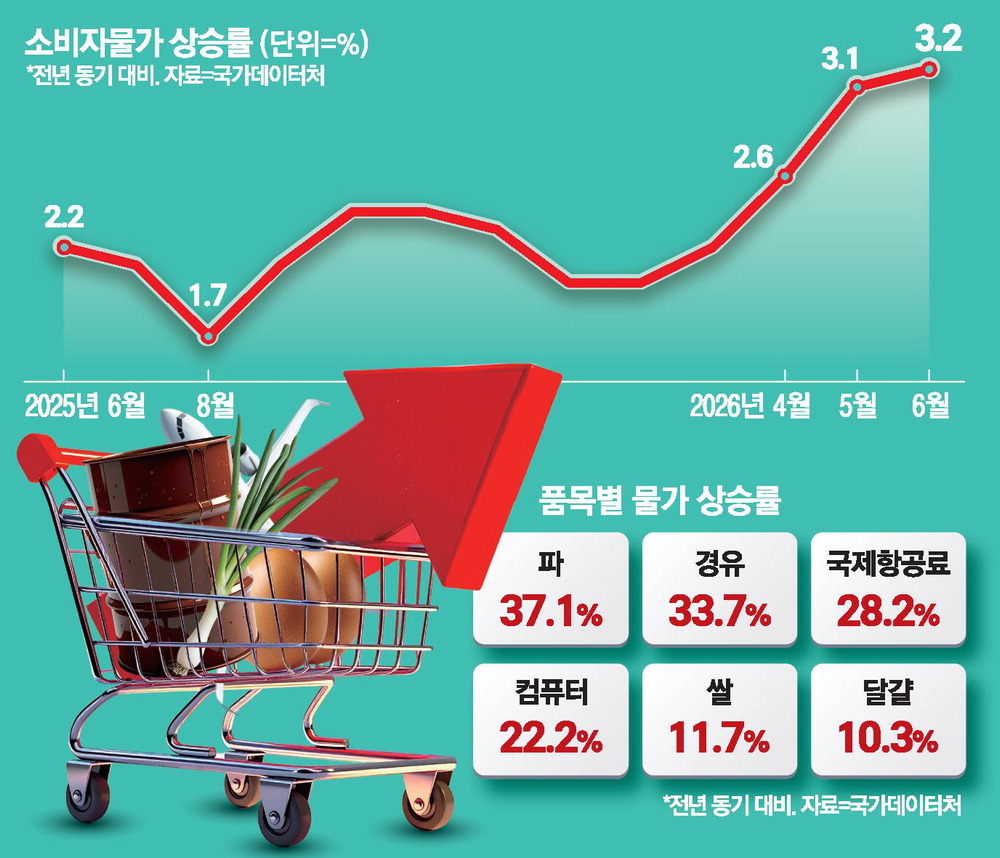
Consumer prices rose 3.2% last month, the fastest pace in 30 months. The shock from higher global oil prices after the Middle East war moved quickly into domestic petroleum costs, while agricultural goods and daily living prices also climbed. The result is a broader inflation burden felt directly by households.
Oil Shock Spreads Across Prices
Energy costs led the increase. Military tension in the Middle East raised concerns over oil supply, and higher crude prices translated into higher import costs. For an economy that relies heavily on imported oil, a rise in dollar-denominated crude becomes more painful when converted into local currency.
Petroleum prices reached their highest rise in 47 months. Higher gasoline and diesel prices do not affect drivers alone. They also raise delivery, logistics, food distribution and industrial transport costs. Energy is both a direct consumer item and a core input for many goods and services.
Food and Daily Costs Add Pressure
Agricultural prices also contributed to inflation. Higher energy expenses affected greenhouse farming, storage and transportation, pushing grocery bills higher. Daily living prices, which cover frequently purchased items such as food, fuel, transport and dining out, rose alongside the headline index.
This matters because daily living prices shape how consumers feel inflation. When these costs rise, purchasing power weakens even if income is unchanged. Fixed-income households and small businesses face particular pressure from fuel and food costs at the same time.
Oil and Currency Remain Key
The next direction of inflation will depend on global oil prices and the exchange rate. If crude prices stay high or the local currency weakens, import-price pressure could last longer. If energy prices stabilize, headline inflation may gradually ease.
Possible responses include fuel-tax adjustments, use of reserves, tighter management of farm supply and slower increases in public utility charges. Still, the oil shock has already moved into daily living costs, so household relief is unlikely to be immediate.
Key points
- Consumer prices climbed 3.2% last month, marking the largest increase in 30 months. The main driver was a sharp rise in global oil prices after the Middle East war. Petroleum prices posted their strongest rise in 47 months, while agricultural goods and daily living costs also increased. Inflation will depend heavily on oil and exchange-rate trends.
- Use the body and FAQ context before acting on this update.
- Compare with related issues inside the category hub.
FAQ
How much did consumer prices rise?
Consumer prices rose 3.2% last month, the largest increase in 30 months.
What drove the sharp rise in inflation?
Global oil prices surged after the Middle East war, lifting petroleum costs and spreading into transport and daily living prices.
How does this affect households?
Fuel, groceries, dining out and delivery-related costs are likely to weigh more heavily on household budgets.
Latest stories

U.S. Supreme Court Lets Fed Governor Lisa Cook Stay, Halting Trump’s Fed Control Push
The U.S. Supreme Court ruled 5-4 on June 29, 2026, that Lisa Cook may remain a Federal Reserve governor while litigation continues. President Donald Trump’s attempt to remove her ran into the legal protections surrounding Fed governors. The decision reinforces central bank independence. For Korean markets, the key channels are USD/KRW, U.S. Treasury yields,
Bank of Korea Opens Search for Chief Economist to Lead Research Institute
The Bank of Korea has started an open recruitment process for the head of its Economic Research Institute. The position functions as the central bank’s chief economist, guiding research on inflation, growth, monetary policy and financial stability. The appointment comes as markets track interest rates, won volatility and Korea’s economic outlook.
Mid-Rate Living Stability Loan Opens for Lower-Credit Borrowers at 5% to 15% Annual Rates
The new mid-rate living stability loan expands formal credit access for borrowers with credit scores in the bottom 50%. Rates are set in the 5% to 15% annual range, with an average target of 11% to 14%. Final pricing will depend on income, repayment ability and existing debt.
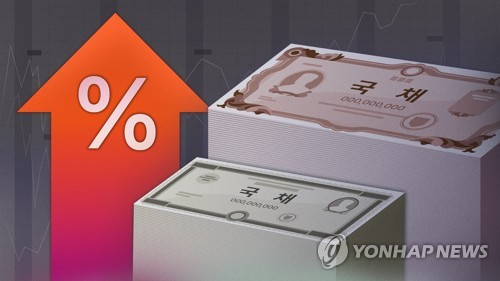
Korean Treasury Yields Rise Across the Curve as 3-Year Note Hits 3.733%
Korean government bond yields moved higher across the curve on June 29. The 3-year Treasury yield, a key market benchmark, stood at 3.733%. Rising yields mean falling bond prices and may affect bank funding, corporate borrowing and household loan rates. Investors are watching inflation, policy signals and bond supply.
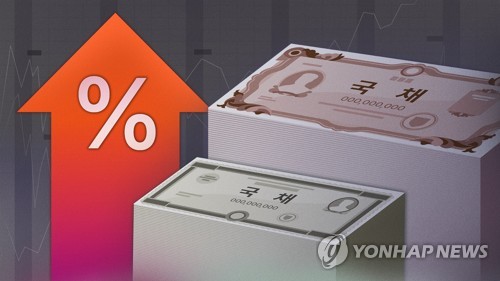
Korean Treasury Yields Rise as Dollar-Won Surge Lifts 3-Year Bond to 3.733%
The dollar-won exchange rate shock spilled into Korea’s bond market. Government bond yields rose across maturities on the 29th, and the three-year yield reached 3.733%. The weaker won raised concerns over import prices, inflation pressure, and the timing of future rate cuts.
Bank loan rates to exclude legal costs from July under revised Banking Act
From July 1, banks in Korea cannot include statutory contributions and other legal costs in loan interest rates. The change reduces the room for cost pass-through in additional spreads. It is not a central bank rate cut, so the effect will differ by bank, product and borrower. A 0.10 percentage point decline saves about KRW 100,000 a year on a KRW 100 millio
Mid-Rate Living Stability Loans for Lower-Credit Borrowers Launch June 29
A new mid-rate living stability loan program starts June 29 through six savings banks. It targets borrowers with credit scores in the lower 50%. Loans carry annual rates in the 5% to 15% range and allow up to 10 million won in additional borrowing regardless of annual-income limits.
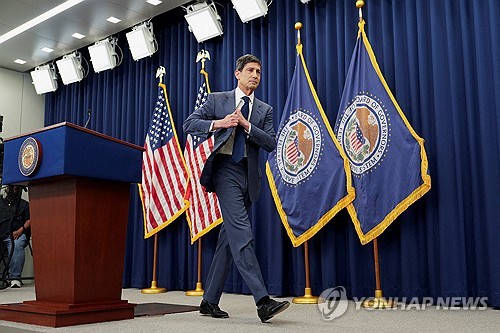
Kevin Warsh at the Fed: Greenspan Echoes, New Tests for Inflation and the Dollar
Kevin Warsh’s May 2026 arrival at the Federal Reserve invites comparison with Alan Greenspan’s 1987 debut. Both share market fluency and a focus on central-bank credibility. Warsh, however, faces post-pandemic inflation scars, fiscal pressure and supply-chain shifts. For Korea, the main channels are the won, bond yields, foreign equity flows and corporate he