Korean Treasury Yields Rise as Dollar-Won Surge Lifts 3-Year Bond to 3.733%
The dollar-won exchange rate shock spilled into Korea’s bond market. Government bond yields rose across maturities on the 29th, and the three-year yield reached 3.733%. The weaker won raised concerns over import prices, inflation pressure, and the timing of future rate cuts.
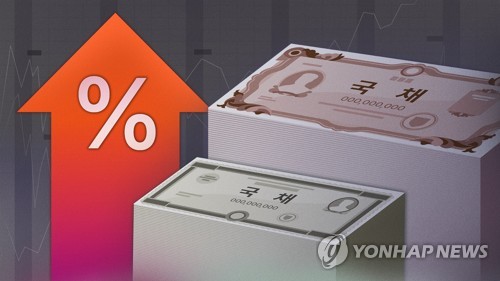
A sharp rise in the dollar-won exchange rate hit Korea’s bond market on the 29th. With the won weakening to levels last seen around the global financial crisis, Korean Treasury yields climbed across the curve. The benchmark three-year government bond yield ended at 3.733%, reflecting both foreign-exchange stress and shifting expectations for monetary policy.
FX Shock Reaches Bonds
A weaker won raises the local-currency cost of oil, raw materials, and intermediate goods priced in dollars. That can feed into import prices, corporate costs, and consumer inflation. When inflation pressure rises, bond investors reduce expectations for near-term policy easing. The result is higher yields and lower bond prices.
Three-Year Yield at 3.733%
The three-year maturity is highly sensitive to the Bank of Korea’s policy outlook and near-term economic signals. A jump in the exchange rate complicates the policy path because authorities must weigh inflation, growth, and financial stability. For foreign investors, won weakness also increases currency-loss risk and hedging costs, which can weaken demand for won-denominated bonds.
Impact on Borrowers
Higher Treasury yields can affect bank bonds, corporate bonds, and fixed-rate mortgage pricing. If the move persists, companies may face higher funding costs and households may see less favorable loan conditions. Markets are expected to focus on the dollar-won rate, inflation data, and policy guidance. If currency pressure remains elevated, Korean bond yields may stay volatile.
Key points
- The dollar-won exchange rate shock spilled into Korea’s bond market. Government bond yields rose across maturities on the 29th, and the three-year yield reached 3.733%. The weaker won raised concerns over import prices, inflation pressure, and the timing of future rate cuts.
- Use the body and FAQ context before acting on this update.
- Compare with related issues inside the category hub.
FAQ
Why did Korean Treasury yields rise on the 29th?
The dollar-won exchange rate surged to a post-global-financial-crisis high range, raising inflation and policy uncertainty.
What was the three-year Korean Treasury yield?
The three-year government bond yield reached 3.733%.
How can higher Treasury yields affect households and companies?
They can lift borrowing benchmarks, increasing household interest burdens and corporate funding costs.
Latest stories

KB Financial to Expand Inclusive Finance and Mid-Rate Loans for Vulnerable Borrowers
KB Financial Group is expanding financial support for vulnerable households and small businesses this year. The program centers on 3 trillion won in inclusive finance and 3.5 trillion won in mid-rate loans. It aims to ease interest burdens and improve access to regulated finance. The move underscores the growing role of private financial groups in Korea’s in
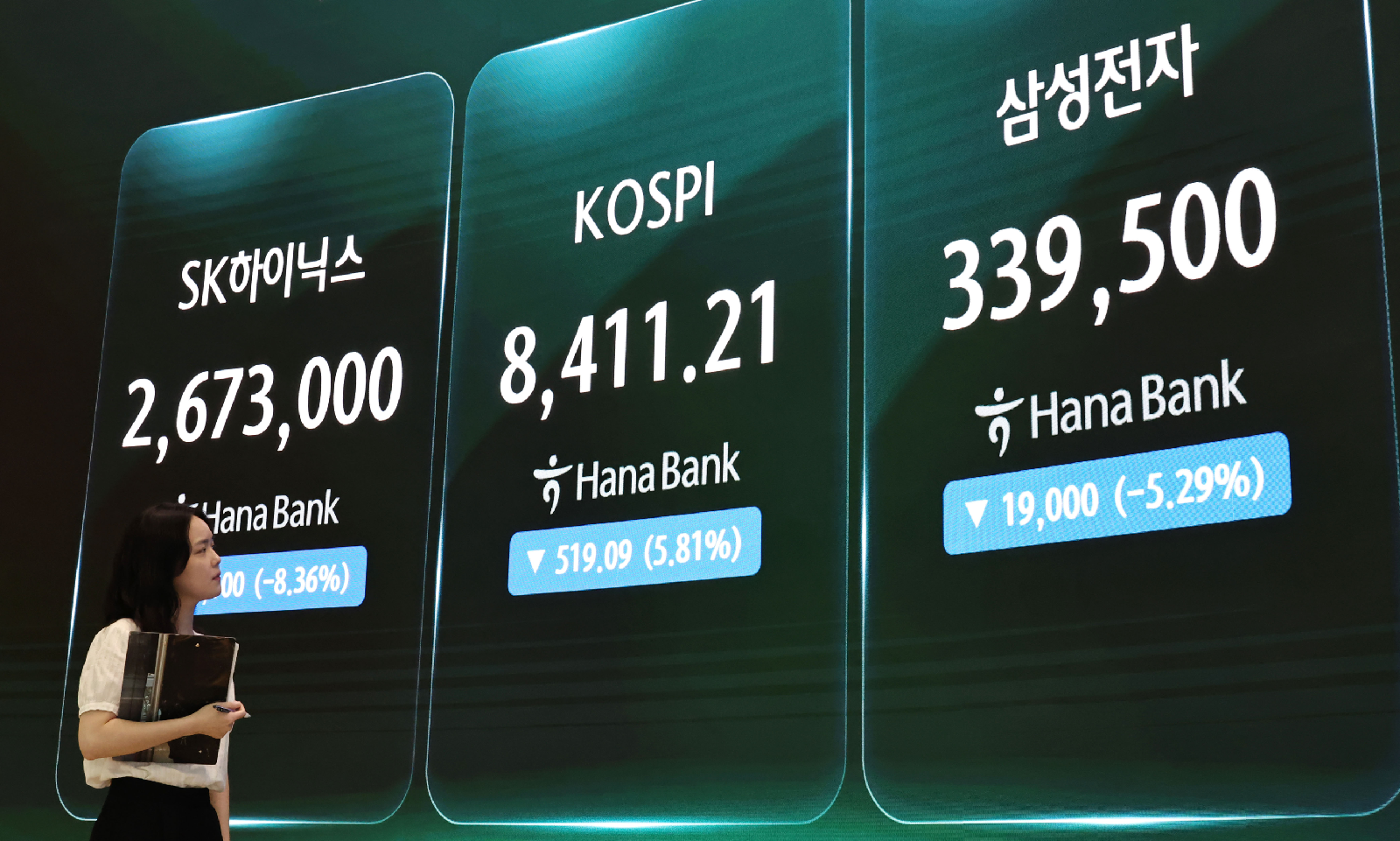
Korean Stocks Face Inflation and Jobs Tests as Foreign Selling Signals Shift
Korean stocks have turned volatile as AI investment costs and foreign selling weigh on sentiment. Chip-sector hopes tied to Samsung Electronics and SK Hynix are cushioning the market. Inflation and employment data this week will shape rate expectations, the won-dollar exchange rate and foreign flows.

Labor Ministry Promotes Kim Cho-kyung to Standing Member of Seoul Labor Relations Commission
The Ministry of Employment and Labor has promoted Kim Cho-kyung to standing member of the Seoul Labor Relations Commission. The move centers on continuity in labor dispute mediation and adjudication for the Seoul area. Its practical significance lies in how predictably labor cases are handled for companies and workers.

New York and Shanghai Stocks Brace for U.S. June Payrolls, Rates and FX
New York and Shanghai stocks are treating U.S. June nonfarm payrolls as the week’s key macro signal. Job growth, unemployment and wage data can shift the rate path and the dollar. Korean investors are watching the won, semiconductors, autos, batteries and foreign flows into the Kospi.

Stronger Rate-Hike Signal Jolts FX and Bonds as Yields Climb
Foreign exchange and bond markets reacted sharply to a stronger rate-hike signal. Bond yields rose as investors reassessed the policy-rate path and inflation risks. A weaker won can affect import prices, foreign flows and Korean asset valuations. Markets are watching inflation data and central-bank language closely.
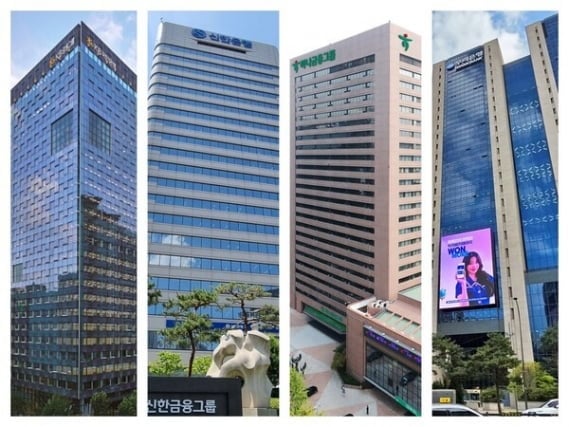
Rate Hike Odds and Tax-Free Dividend Hopes Lift Financial Stocks
Financial shares are gaining momentum as investors reassess earnings and dividends under a higher-rate scenario. Banks may benefit from wider lending margins, while insurers could see stronger investment income. Tax-free dividend expectations add another layer by improving after-tax cash flow. Credit costs and slower growth remain the main risks.

Korea Treasury Yields Mixed as 3-Year Bond Trades at 3.722%
Korean government bond yields showed a mixed pattern by maturity on the 26th. The three-year yield, a key policy-sensitive benchmark, stood at 3.722%. The move reflected shifting expectations for monetary policy, domestic liquidity conditions and risk appetite. For investors, it is a signal to reassess loan rates, corporate funding costs and bond fund exposu

Migrant Workers Press for Employment Permit Reform as Abuse Blocks Job Mobility
Migrant workers are challenging workplace transfer restrictions under South Korea’s Employment Permit System. They say abuse, unpaid wages and violence can continue when employer consent is needed to change jobs. The debate now sits between labor rights and the staffing needs of small manufacturers, farms and other labor-short sectors.