Bank loan rates to exclude legal costs from July under revised Banking Act
From July 1, banks in Korea cannot include statutory contributions and other legal costs in loan interest rates. The change reduces the room for cost pass-through in additional spreads. It is not a central bank rate cut, so the effect will differ by bank, product and borrower. A 0.10 percentage point decline saves about KRW 100,000 a year on a KRW 100 millio
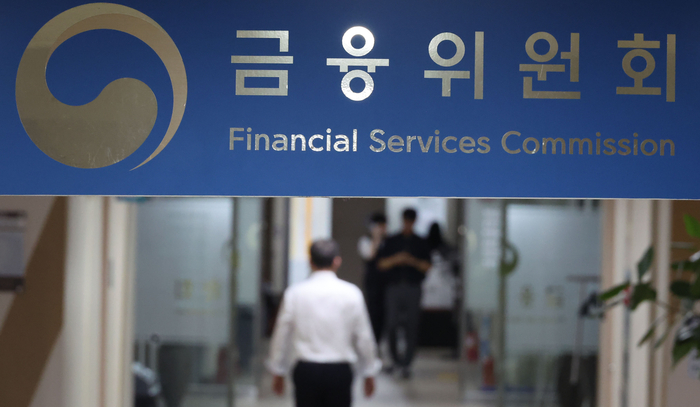
Bank loan pricing in Korea changes on July 1, 2026. Banks will no longer be allowed to add statutory contributions and other legal costs to borrowers' interest rates. The measure does not cut the Bank of Korea base rate, but it narrows the cost items that can be passed into loan spreads.
What changes
Loan rates combine funding costs, credit risk, operating costs, target margins and discounts. Legal costs borne by banks had been able to enter some pricing formulas. Under the revised Banking Act, that channel closes for rate calculations applied after July 1.
The numbers
The rule starts two days after June 29. The effect will vary by bank, product and borrower. If a KRW 100 million loan falls by 0.10 percentage point, annual interest drops by about KRW 100,000. On a KRW 500 million mortgage, the same move saves about KRW 500,000 a year.
Market impact
Borrowers taking new mortgages, credit loans, jeonse loans or business loans should check the final rate and spread breakdown. Banks face stronger pressure to explain pricing clearly, while second-half loan competition may focus on discounts and cleaner spread formulas.
Key points
- From July 1, banks in Korea cannot include statutory contributions and other legal costs in loan interest rates. The change reduces the room for cost pass-through in additional spreads. It is not a central bank rate cut, so the effect will differ by bank, product and borrower. A 0.10 percentage point decline saves about KRW 100,000 a year on a KRW 100 millio
- Use the body and FAQ context before acting on this update.
- Compare with related issues inside the category hub.
FAQ
When does the ban on reflecting legal costs begin?
It begins on July 1, 2026, when the revised Banking Act takes effect.
Will every borrower see the same rate cut?
No. The change removes a cost item from pricing formulas, so the impact depends on the bank, product and borrower profile.
What should borrowers check?
They should review the final applied rate, spread components, exclusion of legal costs and any discount conditions when taking or repricing a loan.
Latest stories

Stronger Rate-Hike Signal Jolts FX and Bonds as Yields Climb
Foreign exchange and bond markets reacted sharply to a stronger rate-hike signal. Bond yields rose as investors reassessed the policy-rate path and inflation risks. A weaker won can affect import prices, foreign flows and Korean asset valuations. Markets are watching inflation data and central-bank language closely.
Rate Hike Odds and Tax-Free Dividend Hopes Lift Financial Stocks
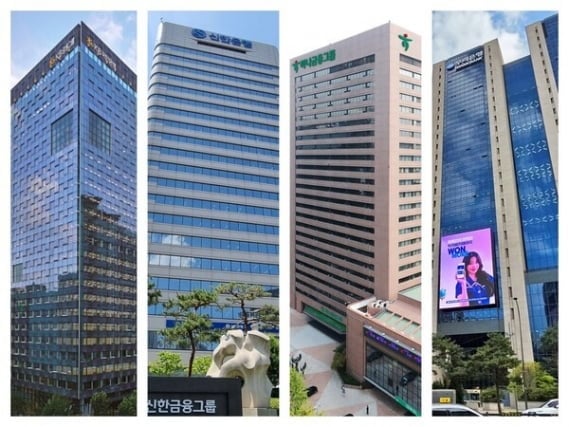
Financial shares are gaining momentum as investors reassess earnings and dividends under a higher-rate scenario. Banks may benefit from wider lending margins, while insurers could see stronger investment income. Tax-free dividend expectations add another layer by improving after-tax cash flow. Credit costs and slower growth remain the main risks.

Korea Treasury Yields Mixed as 3-Year Bond Trades at 3.722%
Korean government bond yields showed a mixed pattern by maturity on the 26th. The three-year yield, a key policy-sensitive benchmark, stood at 3.722%. The move reflected shifting expectations for monetary policy, domestic liquidity conditions and risk appetite. For investors, it is a signal to reassess loan rates, corporate funding costs and bond fund exposu

Migrant Workers Press for Employment Permit Reform as Abuse Blocks Job Mobility
Migrant workers are challenging workplace transfer restrictions under South Korea’s Employment Permit System. They say abuse, unpaid wages and violence can continue when employer consent is needed to change jobs. The debate now sits between labor rights and the staffing needs of small manufacturers, farms and other labor-short sectors.
Jobless Growth and Weak Domestic Demand Put Korea on Alert for Five Risks
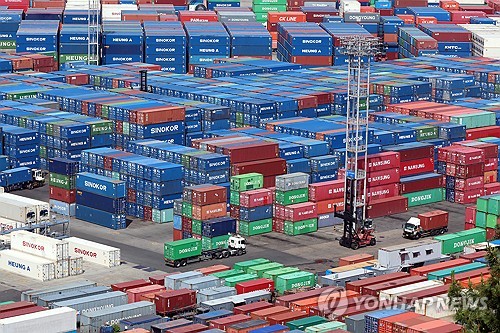
South Korea has regained export momentum through semiconductors, yet the recovery remains uneven. Jobless growth and weak domestic demand are the main pressure points. A shift toward tighter monetary policy, wider stock-market swings and a slow construction recovery could weigh on the second half.

Eggs at 5,000 Won for 10 Push Korea to Spend 1 Trillion Won on Prices
Egg prices at 5,000 won for 10 have become a clear signal of household inflation in Korea. A 1 trillion won fiscal package is being deployed to ease food-price pressure. Discounts and supply management may help in the short term, but feed, logistics and weather remain major risks.

Korea’s second-half growth strategy targets three highs and youth employment
The second-half strategy puts the three highs at the center of economic management. The goal is to ease household costs, reduce financing pressure and limit exchange-rate volatility. Youth employment is treated as a growth issue, not only a labor-market issue.
AI Job Anxiety Splits Korea and the U.S. as Koreans Hold On and Americans Move
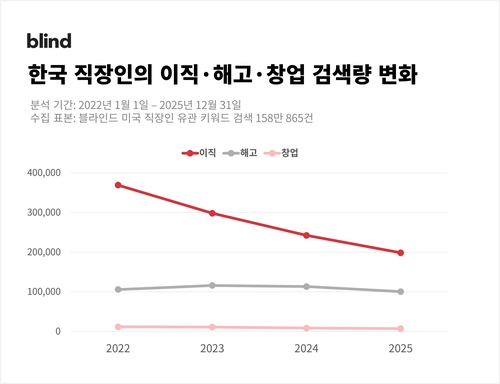
AI is raising job anxiety, but Korea and the U.S. are reacting differently. U.S. employees are moving through job changes, retraining and relocation, while Korean employees prefer stable employment and internal transfers. Writing, customer support and junior coding are highly exposed to automation. AI wage premiums, converted into won, deepen the pressure.