Dongtan, Yongin Giheung and Guri Face Curbs as Supply and Rates Set Prices
Dongtan, Yongin Giheung and Guri have moved into a tighter regulatory zone, making a short-term slowdown likely. Stricter lending and heavier acquisition, holding and capital gains taxes will weigh on buyers. Over the medium term, home prices will depend on new supply and interest-rate direction.
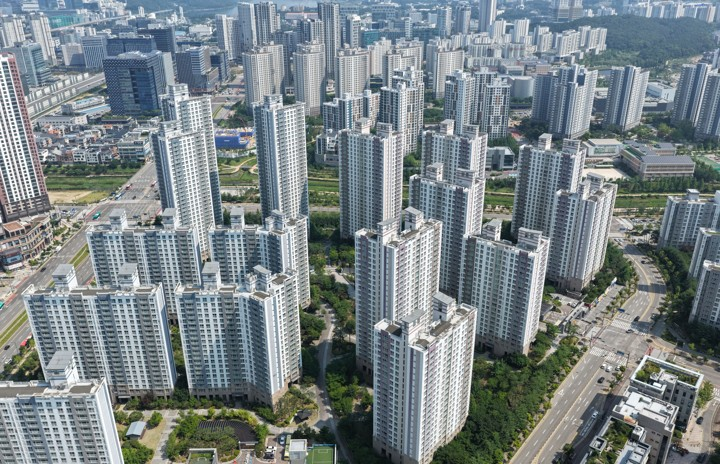
Dongtan, Yongin Giheung and Guri are set for a cooler housing market. These areas are now bound by strict rules covering overheated speculation zones, adjustment target areas and land transaction permit zones. Buyers must calculate tougher loan conditions, higher tax costs and longer transaction procedures before entering the market.
Triple Regulation Hits Demand
The main effect is a higher cost of buying and holding homes. Lending limits reduce purchasing power, while acquisition tax, holding tax and capital gains tax increase the burden across the ownership cycle. In land transaction permit zones, some deals require approval and stronger real-use justification. That makes short-term investment demand weaker and pushes genuine buyers to wait.
Dongtan has drawn demand from transport links and industrial jobs. Yongin Giheung is supported by semiconductor-related expectations and residential demand. Guri benefits from access to Seoul and redevelopment expectations. These demand bases remain, but stronger rules can delay purchases and pressure asking prices.
Supply and Rates Decide the Next Move
The next direction will depend on supply and mortgage rates. If new apartments are delivered steadily, both lease and sale prices may stabilize. If supply is delayed, prime locations may hold up even under regulation. High borrowing costs will keep buyers cautious, while rate-cut expectations could bring waiting demand back.
For households, the practical issue is affordability. Buyers need to check loan availability, tax exposure, permit requirements and real occupancy plans. For investors, betting only on future deregulation is risky. In these markets, price trends will diverge by transit access, jobs, schools and the timing of new supply.
Key points
- Dongtan, Yongin Giheung and Guri have moved into a tighter regulatory zone, making a short-term slowdown likely. Stricter lending and heavier acquisition, holding and capital gains taxes will weigh on buyers. Over the medium term, home prices will depend on new supply and interest-rate direction.
- Use the body and FAQ context before acting on this update.
- Compare with related issues inside the category hub.
FAQ
Will home prices in Dongtan, Yongin Giheung and Guri fall immediately?
A short-term slowdown and pressure on asking prices are likely, but the actual price path will depend on location, supply and interest rates.
What is the biggest impact on buyers?
Buyers face tighter loans, higher taxes and possible permit procedures, so they need more equity and clearer occupancy plans.
What matters most for future prices?
New housing supply and interest rates are the key variables. Ample supply and high rates add downward pressure, while delays and lower-rate expectations can support prime areas.
Latest stories

Mid-Rate Living Stability Loan Opens for Lower-Credit Borrowers at 5% to 15% Annual Rates
The new mid-rate living stability loan expands formal credit access for borrowers with credit scores in the bottom 50%. Rates are set in the 5% to 15% annual range, with an average target of 11% to 14%. Final pricing will depend on income, repayment ability and existing debt.
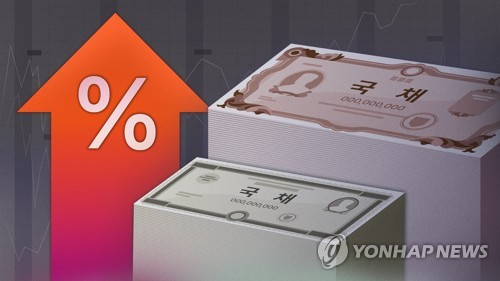
Korean Treasury Yields Rise Across the Curve as 3-Year Note Hits 3.733%
Korean government bond yields moved higher across the curve on June 29. The 3-year Treasury yield, a key market benchmark, stood at 3.733%. Rising yields mean falling bond prices and may affect bank funding, corporate borrowing and household loan rates. Investors are watching inflation, policy signals and bond supply.
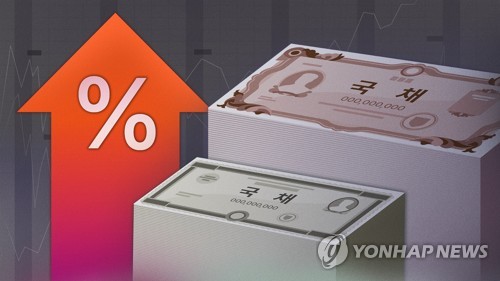
Korean Treasury Yields Rise as Dollar-Won Surge Lifts 3-Year Bond to 3.733%
The dollar-won exchange rate shock spilled into Korea’s bond market. Government bond yields rose across maturities on the 29th, and the three-year yield reached 3.733%. The weaker won raised concerns over import prices, inflation pressure, and the timing of future rate cuts.
Bank loan rates to exclude legal costs from July under revised Banking Act
From July 1, banks in Korea cannot include statutory contributions and other legal costs in loan interest rates. The change reduces the room for cost pass-through in additional spreads. It is not a central bank rate cut, so the effect will differ by bank, product and borrower. A 0.10 percentage point decline saves about KRW 100,000 a year on a KRW 100 millio
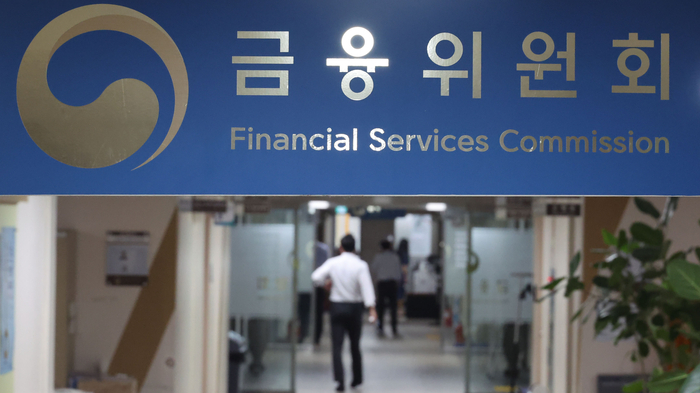
Mid-Rate Living Stability Loans for Lower-Credit Borrowers Launch June 29
A new mid-rate living stability loan program starts June 29 through six savings banks. It targets borrowers with credit scores in the lower 50%. Loans carry annual rates in the 5% to 15% range and allow up to 10 million won in additional borrowing regardless of annual-income limits.

Kevin Warsh at the Fed: Greenspan Echoes, New Tests for Inflation and the Dollar
Kevin Warsh’s May 2026 arrival at the Federal Reserve invites comparison with Alan Greenspan’s 1987 debut. Both share market fluency and a focus on central-bank credibility. Warsh, however, faces post-pandemic inflation scars, fiscal pressure and supply-chain shifts. For Korea, the main channels are the won, bond yields, foreign equity flows and corporate he

KB Financial to Expand Inclusive Finance and Mid-Rate Loans for Vulnerable Borrowers
KB Financial Group is expanding financial support for vulnerable households and small businesses this year. The program centers on 3 trillion won in inclusive finance and 3.5 trillion won in mid-rate loans. It aims to ease interest burdens and improve access to regulated finance. The move underscores the growing role of private financial groups in Korea’s in
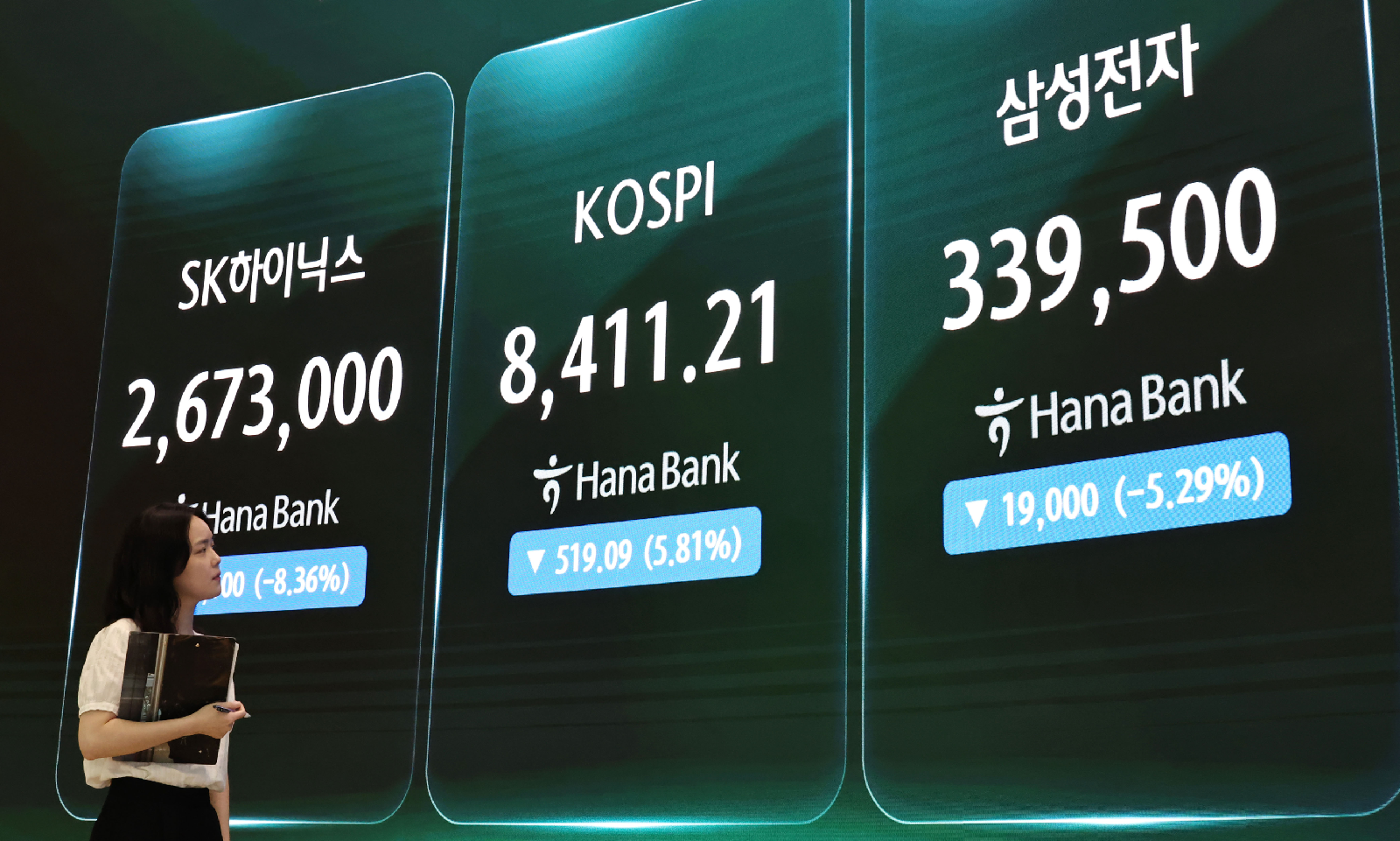
Korean Stocks Face Inflation and Jobs Tests as Foreign Selling Signals Shift
Korean stocks have turned volatile as AI investment costs and foreign selling weigh on sentiment. Chip-sector hopes tied to Samsung Electronics and SK Hynix are cushioning the market. Inflation and employment data this week will shape rate expectations, the won-dollar exchange rate and foreign flows.