U.S. Supreme Court Lets Fed Governor Lisa Cook Stay, Halting Trump’s Fed Control Push
The U.S. Supreme Court ruled 5-4 on June 29, 2026, that Lisa Cook may remain a Federal Reserve governor while litigation continues. President Donald Trump’s attempt to remove her ran into the legal protections surrounding Fed governors. The decision reinforces central bank independence. For Korean markets, the key channels are USD/KRW, U.S. Treasury yields,

The U.S. Supreme Court allowed Federal Reserve Governor Lisa Cook to stay in office on June 29, 2026, immediately checking President Donald Trump’s attempt to reshape the Fed. The 5-4 decision reaffirmed that a president cannot remove a Fed governor on political judgment alone. Cook will remain on the Board while the case continues and will keep participating in rate and financial-stability decisions.
Legal Line Around the Fed
Trump moved to remove Cook in August 2025, citing alleged problems in mortgage documents signed before she joined the Fed in 2022. Cook denied the allegations and argued that the removal was a political attempt to displace a policymaker with independent monetary views. The Federal Reserve Act limits removal of governors to cases with cause. The Court’s majority treated due process and judicial review as essential safeguards. Without them, a protected Fed seat could become an at-will political office.
Market Impact
The central number is 5-4. Narrow as it is, the message for markets is clear: the White House cannot quickly alter the Fed’s voting balance. That supports the view that FOMC decisions will remain anchored in inflation and employment data. U.S. rates guide dollar liquidity, Treasury yields, the dollar index and emerging-market capital flows. For Korean investors, the ruling affects USD/KRW, Kospi foreign buying, exporters’ valuations and expectations for the Bank of Korea. The case is not fully over, but institutional stability has become as important as the rate path itself.
Key points
- The U.S. Supreme Court ruled 5-4 on June 29, 2026, that Lisa Cook may remain a Federal Reserve governor while litigation continues. President Donald Trump’s attempt to remove her ran into the legal protections surrounding Fed governors. The decision reinforces central bank independence. For Korean markets, the key channels are USD/KRW, U.S. Treasury yields,
- Use the body and FAQ context before acting on this update.
- Compare with related issues inside the category hub.
FAQ
What did the Supreme Court decide?
It allowed Lisa Cook to remain a Federal Reserve governor while litigation continues and limited immediate presidential removal without proper cause and process.
Why does this matter for Fed independence?
Fed governors have statutory protection so monetary policy is not easily redirected by short-term political pressure.
How could Korean markets be affected?
A steadier Fed can reduce pressure on USD/KRW and global bond yields, but further litigation and White House pressure may still affect foreign flows and Bank of Korea decisions.
Latest stories
Mid-Rate Living Stability Loans for Lower-Credit Borrowers Launch June 29
A new mid-rate living stability loan program starts June 29 through six savings banks. It targets borrowers with credit scores in the lower 50%. Loans carry annual rates in the 5% to 15% range and allow up to 10 million won in additional borrowing regardless of annual-income limits.
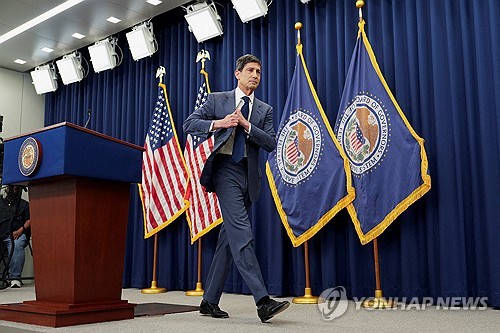
Kevin Warsh at the Fed: Greenspan Echoes, New Tests for Inflation and the Dollar
Kevin Warsh’s May 2026 arrival at the Federal Reserve invites comparison with Alan Greenspan’s 1987 debut. Both share market fluency and a focus on central-bank credibility. Warsh, however, faces post-pandemic inflation scars, fiscal pressure and supply-chain shifts. For Korea, the main channels are the won, bond yields, foreign equity flows and corporate he

KB Financial to Expand Inclusive Finance and Mid-Rate Loans for Vulnerable Borrowers
KB Financial Group is expanding financial support for vulnerable households and small businesses this year. The program centers on 3 trillion won in inclusive finance and 3.5 trillion won in mid-rate loans. It aims to ease interest burdens and improve access to regulated finance. The move underscores the growing role of private financial groups in Korea’s in
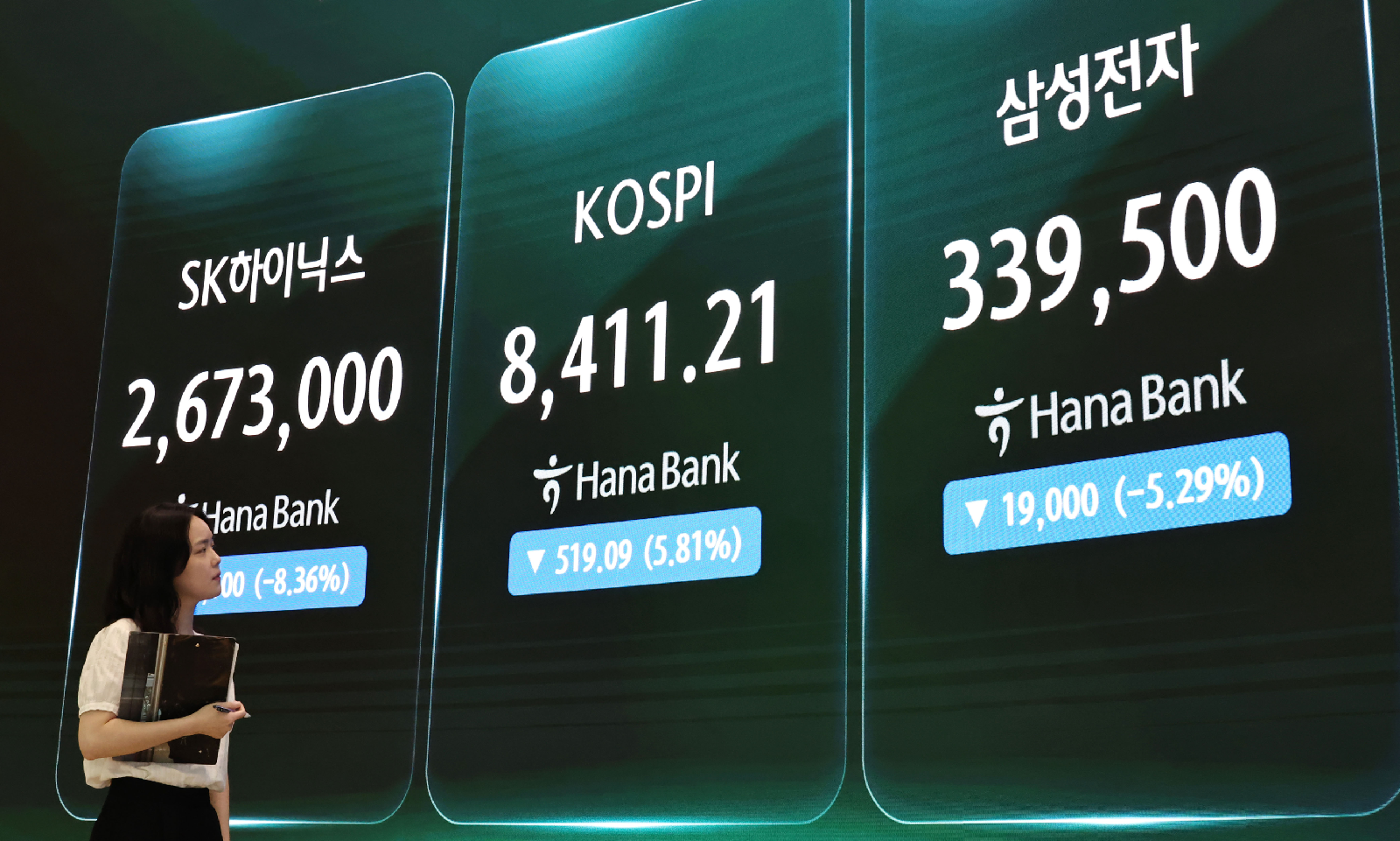
Korean Stocks Face Inflation and Jobs Tests as Foreign Selling Signals Shift
Korean stocks have turned volatile as AI investment costs and foreign selling weigh on sentiment. Chip-sector hopes tied to Samsung Electronics and SK Hynix are cushioning the market. Inflation and employment data this week will shape rate expectations, the won-dollar exchange rate and foreign flows.

Labor Ministry Promotes Kim Cho-kyung to Standing Member of Seoul Labor Relations Commission
The Ministry of Employment and Labor has promoted Kim Cho-kyung to standing member of the Seoul Labor Relations Commission. The move centers on continuity in labor dispute mediation and adjudication for the Seoul area. Its practical significance lies in how predictably labor cases are handled for companies and workers.

New York and Shanghai Stocks Brace for U.S. June Payrolls, Rates and FX
New York and Shanghai stocks are treating U.S. June nonfarm payrolls as the week’s key macro signal. Job growth, unemployment and wage data can shift the rate path and the dollar. Korean investors are watching the won, semiconductors, autos, batteries and foreign flows into the Kospi.

Stronger Rate-Hike Signal Jolts FX and Bonds as Yields Climb
Foreign exchange and bond markets reacted sharply to a stronger rate-hike signal. Bond yields rose as investors reassessed the policy-rate path and inflation risks. A weaker won can affect import prices, foreign flows and Korean asset valuations. Markets are watching inflation data and central-bank language closely.
Rate Hike Odds and Tax-Free Dividend Hopes Lift Financial Stocks
Financial shares are gaining momentum as investors reassess earnings and dividends under a higher-rate scenario. Banks may benefit from wider lending margins, while insurers could see stronger investment income. Tax-free dividend expectations add another layer by improving after-tax cash flow. Credit costs and slower growth remain the main risks.