U.S. Q1 GDP Revised Up to 2.1%, but Consumer Slowdown Clouds Outlook
U.S. real GDP growth for Q1 2026 was revised up to an annualized 2.1%. The figure beat the prior 1.6% estimate and confirmed resilience, but the upgrade was driven mainly by a smaller import drag. Consumer spending rose only 0.5%, while final sales to private domestic purchasers slowed to 1.7%. Korean markets must watch the dollar, Treasury yields, semicondu

U.S. real GDP for the first quarter of 2026 was finalized at an annualized 2.1%, up from the previous 1.6% estimate and clearly above the 0.5% pace recorded in the fourth quarter of 2025. The revision lowers near-term recession concern, but the quality of growth is weaker than the headline suggests.
Imports Lifted the Math
Imports subtract from GDP because they are not domestic production. The estimated import growth rate was cut from 21.1% to 11.8%, reducing the drag from net trade and pushing the total GDP figure higher. The Q1 sequence moved from 2.0% in the advance estimate to 1.6% and finally to 2.1%. With the U.S. economy above $31 trillion in annualized nominal terms, a conversion at KRW 1,380 per dollar puts the scale near KRW 44 quadrillion, so even small revisions matter for Korean asset prices.
Demand Was Softer
Consumer spending rose only 0.5%, the weakest pace in four years. Final sales to private domestic purchasers fell to 1.7% from 2.4%, showing softer underlying demand. For Korean investors, firmer U.S. growth can support the dollar and Treasury yields, while weaker consumption may weigh on export demand, semiconductors and U.S.-linked ETFs. The next test is the first Q2 GDP estimate on July 30.
Key points
- U.S. real GDP growth for Q1 2026 was revised up to an annualized 2.1%. The figure beat the prior 1.6% estimate and confirmed resilience, but the upgrade was driven mainly by a smaller import drag. Consumer spending rose only 0.5%, while final sales to private domestic purchasers slowed to 1.7%. Korean markets must watch the dollar, Treasury yields, semicondu
- Use the body and FAQ context before acting on this update.
- Compare with related issues inside the category hub.
FAQ
What was U.S. Q1 GDP revised to?
U.S. real GDP growth for Q1 2026 was revised up to an annualized 2.1%, compared with the previous 1.6% estimate.
Why was the GDP estimate revised higher?
Import growth was revised lower, from 21.1% to 11.8%, reducing the subtraction from GDP and lifting the headline growth rate.
What does this mean for Korean investors?
Stronger U.S. growth can support the dollar and Treasury yields, but weak consumption can pressure Korean export stocks and semiconductor demand expectations.
Latest stories
Korean Treasury Yields Rise as Dollar-Won Surge Lifts 3-Year Bond to 3.733%
The dollar-won exchange rate shock spilled into Korea’s bond market. Government bond yields rose across maturities on the 29th, and the three-year yield reached 3.733%. The weaker won raised concerns over import prices, inflation pressure, and the timing of future rate cuts.
Bank loan rates to exclude legal costs from July under revised Banking Act
From July 1, banks in Korea cannot include statutory contributions and other legal costs in loan interest rates. The change reduces the room for cost pass-through in additional spreads. It is not a central bank rate cut, so the effect will differ by bank, product and borrower. A 0.10 percentage point decline saves about KRW 100,000 a year on a KRW 100 millio
Mid-Rate Living Stability Loans for Lower-Credit Borrowers Launch June 29
A new mid-rate living stability loan program starts June 29 through six savings banks. It targets borrowers with credit scores in the lower 50%. Loans carry annual rates in the 5% to 15% range and allow up to 10 million won in additional borrowing regardless of annual-income limits.
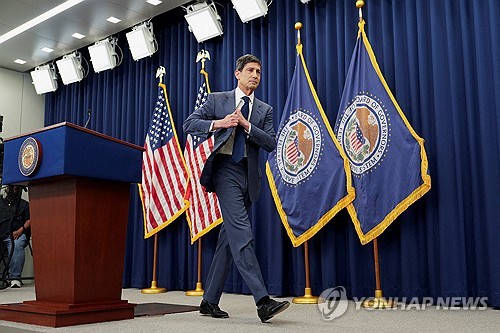
Kevin Warsh at the Fed: Greenspan Echoes, New Tests for Inflation and the Dollar
Kevin Warsh’s May 2026 arrival at the Federal Reserve invites comparison with Alan Greenspan’s 1987 debut. Both share market fluency and a focus on central-bank credibility. Warsh, however, faces post-pandemic inflation scars, fiscal pressure and supply-chain shifts. For Korea, the main channels are the won, bond yields, foreign equity flows and corporate he
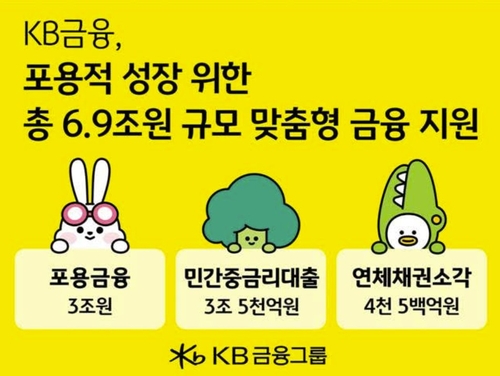
KB Financial to Expand Inclusive Finance and Mid-Rate Loans for Vulnerable Borrowers
KB Financial Group is expanding financial support for vulnerable households and small businesses this year. The program centers on 3 trillion won in inclusive finance and 3.5 trillion won in mid-rate loans. It aims to ease interest burdens and improve access to regulated finance. The move underscores the growing role of private financial groups in Korea’s in
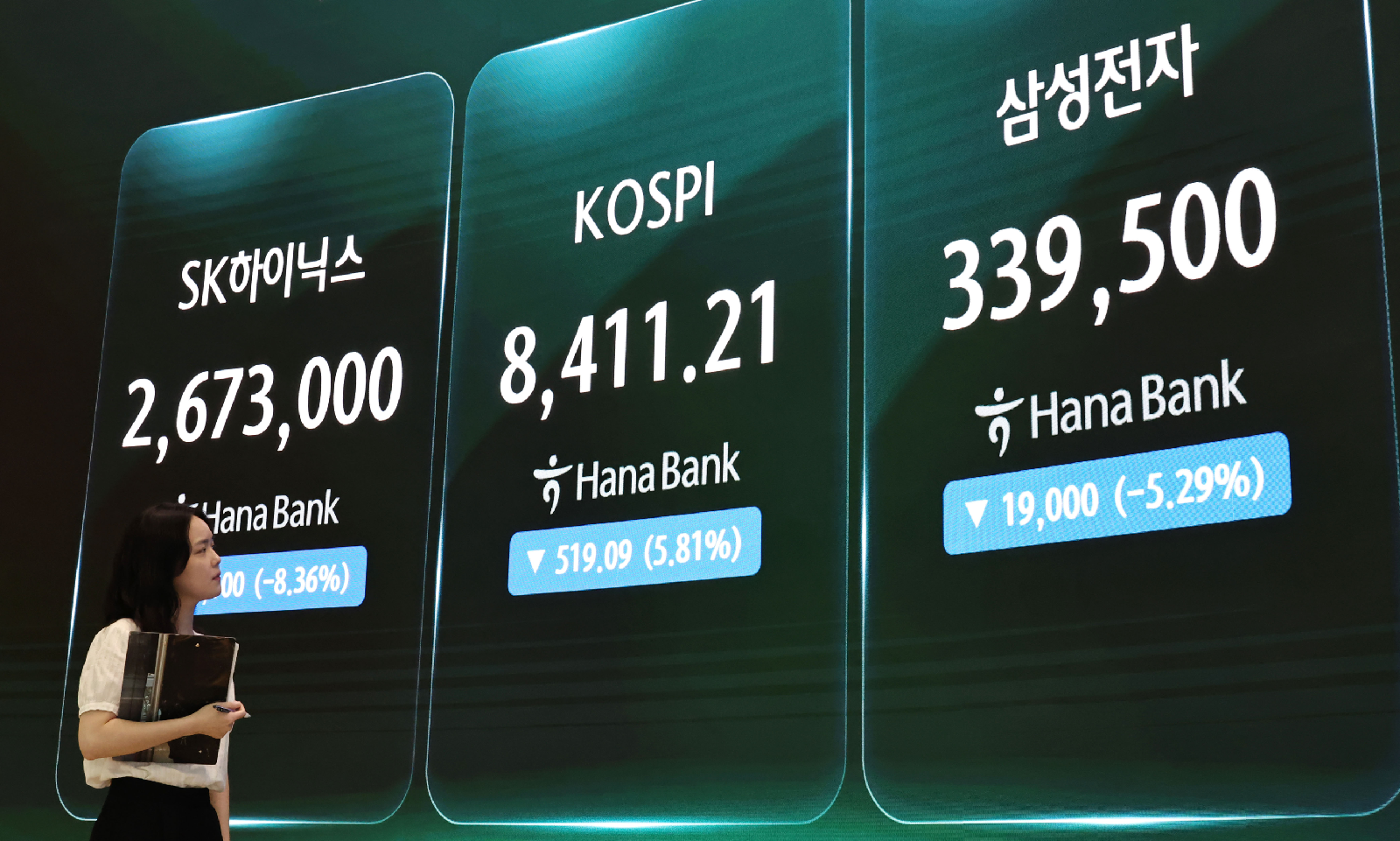
Korean Stocks Face Inflation and Jobs Tests as Foreign Selling Signals Shift
Korean stocks have turned volatile as AI investment costs and foreign selling weigh on sentiment. Chip-sector hopes tied to Samsung Electronics and SK Hynix are cushioning the market. Inflation and employment data this week will shape rate expectations, the won-dollar exchange rate and foreign flows.

Labor Ministry Promotes Kim Cho-kyung to Standing Member of Seoul Labor Relations Commission
The Ministry of Employment and Labor has promoted Kim Cho-kyung to standing member of the Seoul Labor Relations Commission. The move centers on continuity in labor dispute mediation and adjudication for the Seoul area. Its practical significance lies in how predictably labor cases are handled for companies and workers.

New York and Shanghai Stocks Brace for U.S. June Payrolls, Rates and FX
New York and Shanghai stocks are treating U.S. June nonfarm payrolls as the week’s key macro signal. Job growth, unemployment and wage data can shift the rate path and the dollar. Korean investors are watching the won, semiconductors, autos, batteries and foreign flows into the Kospi.