Kevin Warsh at the Fed: Greenspan Echoes, New Tests for Inflation and the Dollar
Kevin Warsh’s May 2026 arrival at the Federal Reserve invites comparison with Alan Greenspan’s 1987 debut. Both share market fluency and a focus on central-bank credibility. Warsh, however, faces post-pandemic inflation scars, fiscal pressure and supply-chain shifts. For Korea, the main channels are the won, bond yields, foreign equity flows and corporate he
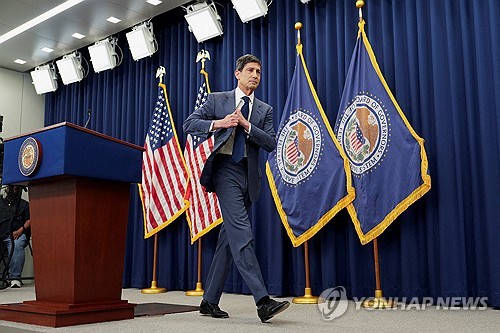
Kevin Warsh’s Fed begins with an echo of Alan Greenspan, but not with the same playbook. Warsh, who took the chair in May 2026, reads market prices as policy signals and stresses central-bank credibility. Greenspan arrived in August 1987 with similar market fluency. The setting is different: inflation scars, fiscal pressure, the dollar cycle and supply-chain politics now enter every FOMC decision.
Shared Market Instinct
Greenspan faced Black Monday two months after taking office. On Oct. 19, 1987, the Dow fell 22.6%, making liquidity his first major test. Warsh served as a Fed governor from 2006 to 2011, through the financial crisis, so his communication is shaped by how quickly market function can freeze.
Different Policy Math
Greenspan benefited from inflation expectations anchored after the Volcker era. Warsh inherits a 2% inflation target under tougher scrutiny. The FOMC has 12 votes: seven governors, the New York Fed president and four rotating regional presidents. For Korea, a 25bp Fed move can affect the won, KTB yields and foreign equity flows. At KRW 1,350 per dollar, a $100 million position equals KRW 135 billion; a KRW 10 FX move changes its value by KRW 1 billion. Markets will watch Warsh’s dot plot, balance-sheet runoff and inflation wording.
Key points
- Kevin Warsh’s May 2026 arrival at the Federal Reserve invites comparison with Alan Greenspan’s 1987 debut. Both share market fluency and a focus on central-bank credibility. Warsh, however, faces post-pandemic inflation scars, fiscal pressure and supply-chain shifts. For Korea, the main channels are the won, bond yields, foreign equity flows and corporate he
- Use the body and FAQ context before acting on this update.
- Compare with related issues inside the category hub.
FAQ
What is the main similarity between Warsh and Greenspan?
Both are closely associated with market-oriented policy thinking and the view that Fed credibility is a core policy asset.
What is the biggest difference in their starting conditions?
Greenspan began with inflation expectations easing after the Volcker era, while Warsh faces post-pandemic inflation, fiscal pressure and supply-chain shifts.
Why does Warsh’s Fed matter for Korea?
Fed rates and dollar direction can influence the won, Korean bond yields, foreign stock flows and dollar funding costs for banks and companies.
Latest stories

Korea Treasury Yields Mixed as 3-Year Bond Trades at 3.722%
Korean government bond yields showed a mixed pattern by maturity on the 26th. The three-year yield, a key policy-sensitive benchmark, stood at 3.722%. The move reflected shifting expectations for monetary policy, domestic liquidity conditions and risk appetite. For investors, it is a signal to reassess loan rates, corporate funding costs and bond fund exposu
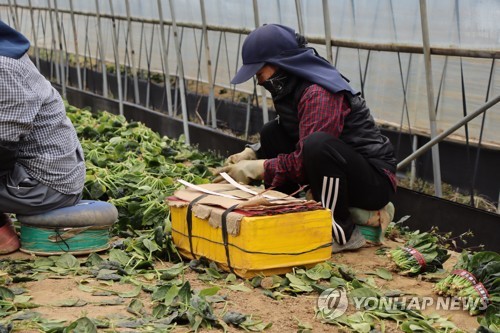
Migrant Workers Press for Employment Permit Reform as Abuse Blocks Job Mobility
Migrant workers are challenging workplace transfer restrictions under South Korea’s Employment Permit System. They say abuse, unpaid wages and violence can continue when employer consent is needed to change jobs. The debate now sits between labor rights and the staffing needs of small manufacturers, farms and other labor-short sectors.
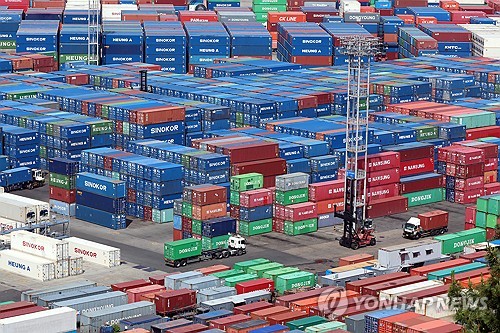
Jobless Growth and Weak Domestic Demand Put Korea on Alert for Five Risks
South Korea has regained export momentum through semiconductors, yet the recovery remains uneven. Jobless growth and weak domestic demand are the main pressure points. A shift toward tighter monetary policy, wider stock-market swings and a slow construction recovery could weigh on the second half.
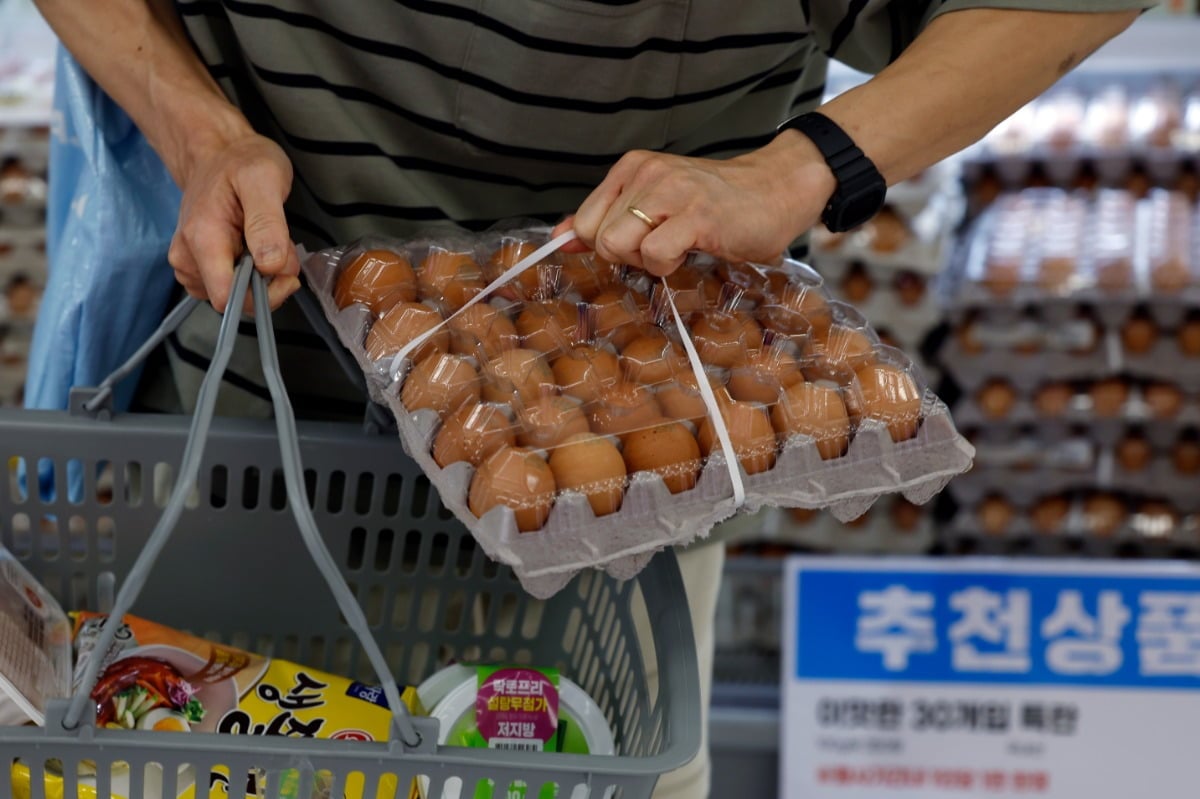
Eggs at 5,000 Won for 10 Push Korea to Spend 1 Trillion Won on Prices
Egg prices at 5,000 won for 10 have become a clear signal of household inflation in Korea. A 1 trillion won fiscal package is being deployed to ease food-price pressure. Discounts and supply management may help in the short term, but feed, logistics and weather remain major risks.
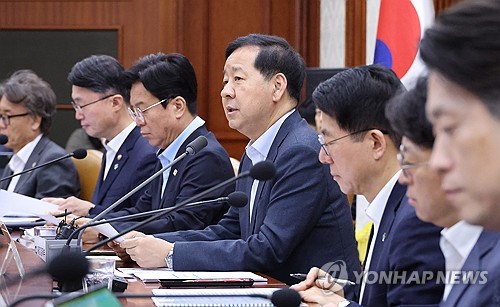
Korea’s second-half growth strategy targets three highs and youth employment
The second-half strategy puts the three highs at the center of economic management. The goal is to ease household costs, reduce financing pressure and limit exchange-rate volatility. Youth employment is treated as a growth issue, not only a labor-market issue.
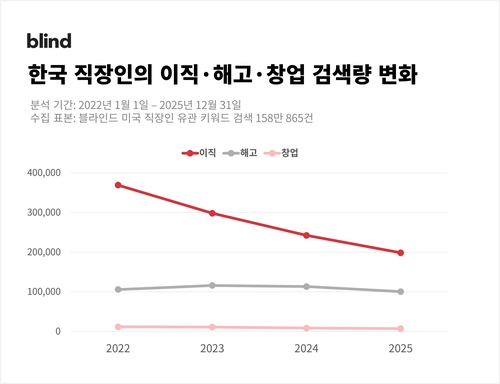
AI Job Anxiety Splits Korea and the U.S. as Koreans Hold On and Americans Move
AI is raising job anxiety, but Korea and the U.S. are reacting differently. U.S. employees are moving through job changes, retraining and relocation, while Korean employees prefer stable employment and internal transfers. Writing, customer support and junior coding are highly exposed to automation. AI wage premiums, converted into won, deepen the pressure.
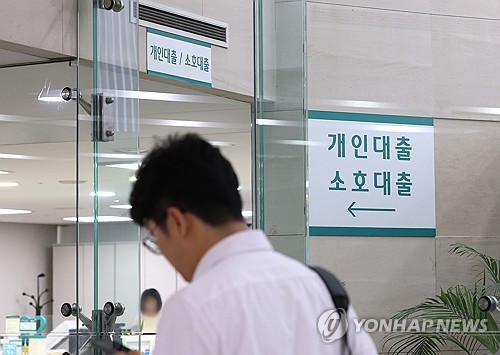
Mortgage Rates Rebound to 4.32% as Market Yields Rise Again
Mortgage rates turned upward after one month and reached 4.32%. The increase was only 0.01 percentage point, but it shows that rising market yields are feeding into household borrowing costs. Borrowers need to review repayment burdens, refinancing options and DSR limits.
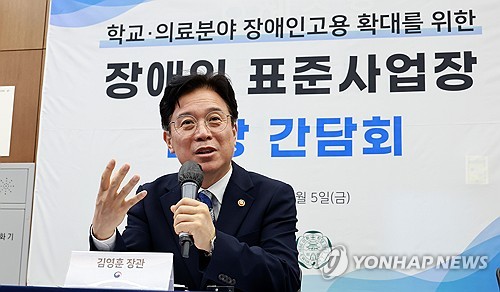
Labor Minister Visits AI-Transition Manufacturer to Review Automation and Jobs
Labor Minister Kim Young-hoon inspected an AI transition site at a small manufacturer in Goyang on the 26th. The visit focused on whether automation can improve productivity while supporting employment. Policy support is expected to be most effective when equipment investment is linked with training, job redesign and workplace safety.