KB Financial to Expand Inclusive Finance and Mid-Rate Loans for Vulnerable Borrowers
KB Financial Group is expanding financial support for vulnerable households and small businesses this year. The program centers on 3 trillion won in inclusive finance and 3.5 trillion won in mid-rate loans. It aims to ease interest burdens and improve access to regulated finance. The move underscores the growing role of private financial groups in Korea’s in

KB Financial Group will provide large-scale financing this year to help young people, low-income households, vulnerable groups, small merchants and the self-employed recover economically and build independence. The core plan consists of 3 trillion won in inclusive finance and 3.5 trillion won in mid-rate loans.
Inclusive finance
The program focuses on widening access to finance for borrowers who face high living costs, unstable income or limited credit options. For small business owners, liquidity remains essential as rent, labor and input costs continue to weigh on cash flow. The 3 trillion won inclusive finance package is designed to support household stability, business operations and recovery.
In Korea, inclusive finance is closely linked to credit soundness. When vulnerable borrowers remain within the regulated financial system, repayment restructuring and timely liquidity can reduce the risk of delinquency.
Mid-rate loans
The 3.5 trillion won mid-rate loan supply targets borrowers caught between low-rate loans for prime customers and costly credit products for higher-risk borrowers. This segment can lower excessive interest burdens while keeping lending discipline intact.
The impact will depend on execution speed, actual loan rates and eligibility standards. If funds reach borrowers with realistic repayment structures, KB Financial’s plan is expected to function as a meaningful buffer for Korea’s household and small-business finance market.
Key points
- KB Financial Group is expanding financial support for vulnerable households and small businesses this year. The program centers on 3 trillion won in inclusive finance and 3.5 trillion won in mid-rate loans. It aims to ease interest burdens and improve access to regulated finance. The move underscores the growing role of private financial groups in Korea’s in
- Use the body and FAQ context before acting on this update.
- Compare with related issues inside the category hub.
FAQ
How much inclusive finance will KB Financial provide this year?
KB Financial will provide 3 trillion won in inclusive finance this year.
What is the planned size of mid-rate loans?
The planned mid-rate loan supply is 3.5 trillion won.
Who are the main beneficiaries?
The main beneficiaries are young people, low-income households, vulnerable groups, small merchants and the self-employed.
Latest stories

Korea Treasury Yields Mixed as 3-Year Bond Trades at 3.722%
Korean government bond yields showed a mixed pattern by maturity on the 26th. The three-year yield, a key policy-sensitive benchmark, stood at 3.722%. The move reflected shifting expectations for monetary policy, domestic liquidity conditions and risk appetite. For investors, it is a signal to reassess loan rates, corporate funding costs and bond fund exposu
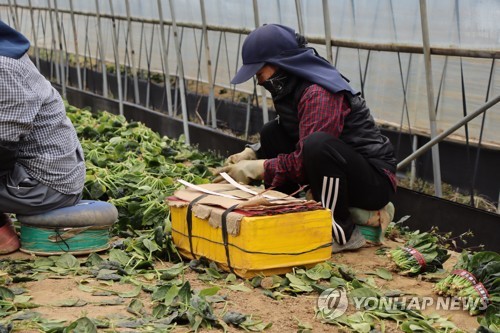
Migrant Workers Press for Employment Permit Reform as Abuse Blocks Job Mobility
Migrant workers are challenging workplace transfer restrictions under South Korea’s Employment Permit System. They say abuse, unpaid wages and violence can continue when employer consent is needed to change jobs. The debate now sits between labor rights and the staffing needs of small manufacturers, farms and other labor-short sectors.
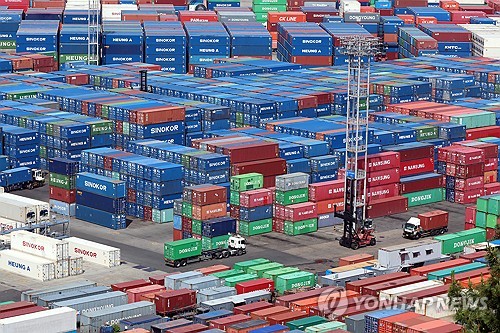
Jobless Growth and Weak Domestic Demand Put Korea on Alert for Five Risks
South Korea has regained export momentum through semiconductors, yet the recovery remains uneven. Jobless growth and weak domestic demand are the main pressure points. A shift toward tighter monetary policy, wider stock-market swings and a slow construction recovery could weigh on the second half.
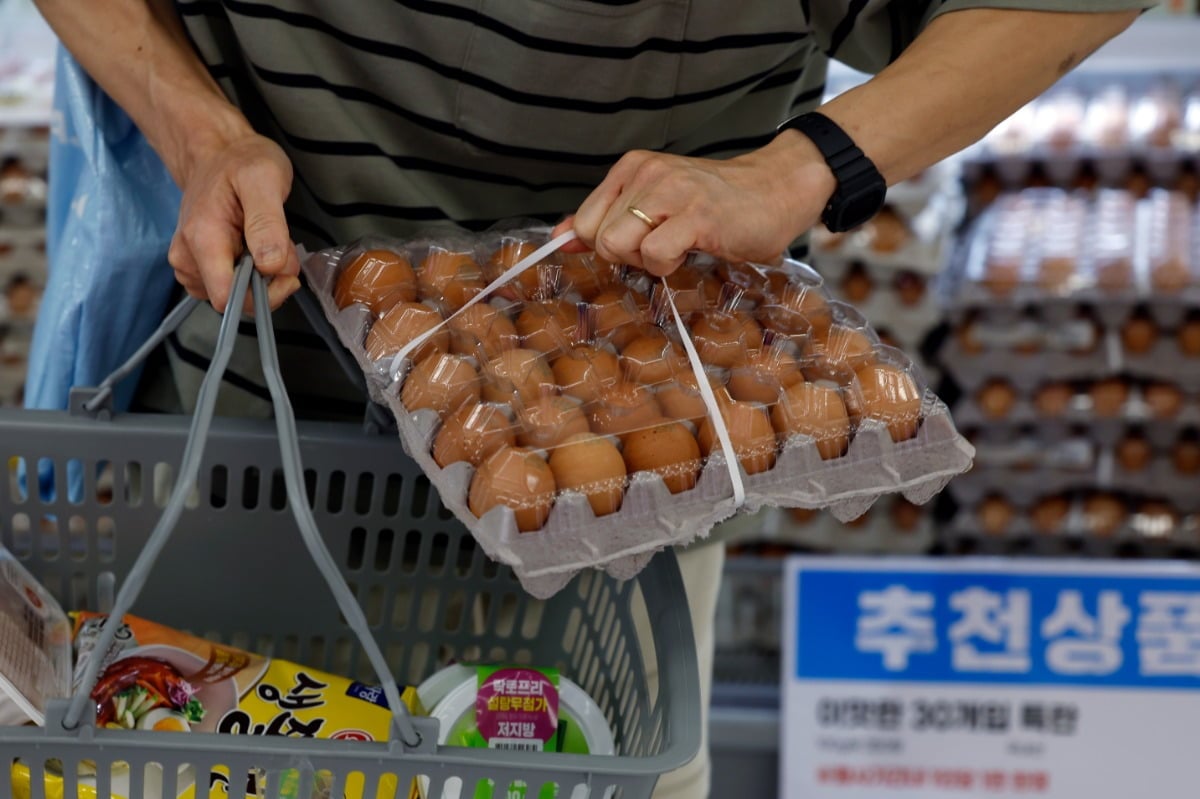
Eggs at 5,000 Won for 10 Push Korea to Spend 1 Trillion Won on Prices
Egg prices at 5,000 won for 10 have become a clear signal of household inflation in Korea. A 1 trillion won fiscal package is being deployed to ease food-price pressure. Discounts and supply management may help in the short term, but feed, logistics and weather remain major risks.
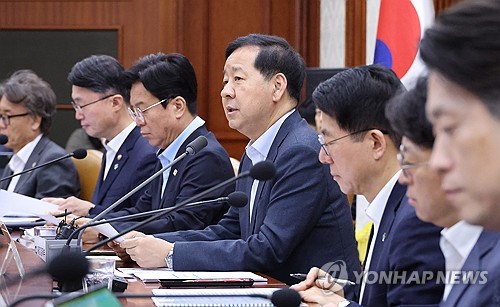
Korea’s second-half growth strategy targets three highs and youth employment
The second-half strategy puts the three highs at the center of economic management. The goal is to ease household costs, reduce financing pressure and limit exchange-rate volatility. Youth employment is treated as a growth issue, not only a labor-market issue.
AI Job Anxiety Splits Korea and the U.S. as Koreans Hold On and Americans Move
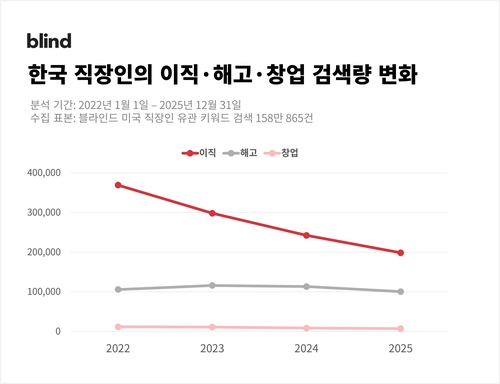
AI is raising job anxiety, but Korea and the U.S. are reacting differently. U.S. employees are moving through job changes, retraining and relocation, while Korean employees prefer stable employment and internal transfers. Writing, customer support and junior coding are highly exposed to automation. AI wage premiums, converted into won, deepen the pressure.
Mortgage Rates Rebound to 4.32% as Market Yields Rise Again
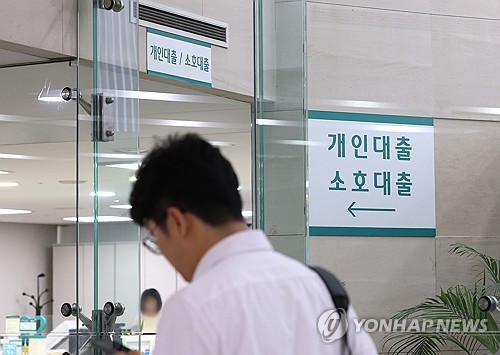
Mortgage rates turned upward after one month and reached 4.32%. The increase was only 0.01 percentage point, but it shows that rising market yields are feeding into household borrowing costs. Borrowers need to review repayment burdens, refinancing options and DSR limits.

Labor Minister Visits AI-Transition Manufacturer to Review Automation and Jobs
Labor Minister Kim Young-hoon inspected an AI transition site at a small manufacturer in Goyang on the 26th. The visit focused on whether automation can improve productivity while supporting employment. Policy support is expected to be most effective when equipment investment is linked with training, job redesign and workplace safety.