Ultra-Low-Rate Win-Win Loans Added as FX Insurance Opens to Importers
Ultra-low-rate win-win loans are being introduced, while exchange fluctuation insurance will cover all importers except luxury goods companies. The package targets firms squeezed by a weak won and high borrowing costs. Importers of raw materials, intermediate goods and essential consumer items are expected to gain more stable cash flow.
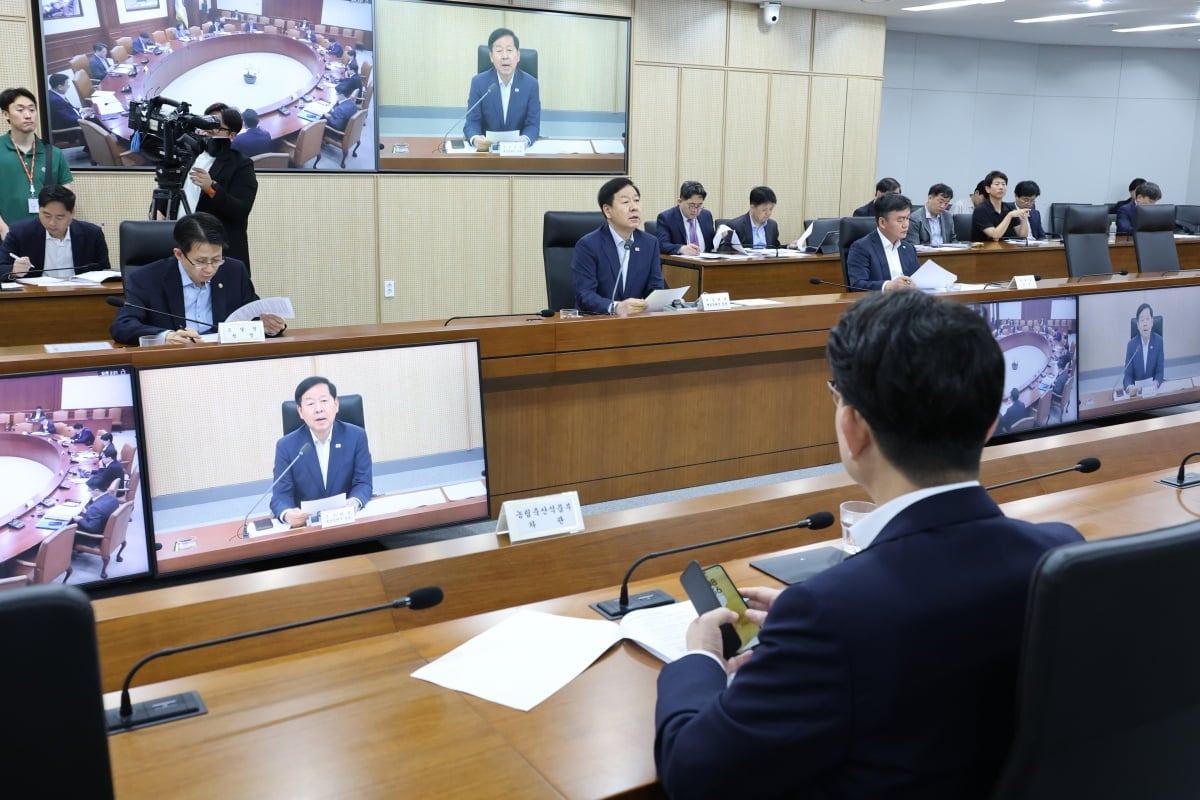
Ultra-low-rate win-win loans will be launched, and exchange fluctuation insurance will be opened to all importing companies except those dealing in luxury goods. The measure is designed to reduce both financing costs and foreign-exchange risk as a weaker won and elevated interest rates pressure corporate margins.
Lower Funding Costs
The new loan program supplies low-cost working capital for import payments, inventory purchases, logistics costs, duties and value-added tax. Even a modest reduction in loan rates can directly ease cash flow for firms that settle purchases in dollars but earn revenue in won. Detailed rates, limits and application procedures will be finalized during implementation, but the structure is clear: two tools, low-rate lending and FX risk coverage.
Wider FX Protection
Exchange fluctuation insurance limits losses when currency rates move sharply before or after import settlement. By expanding eligibility to nearly all importers, the program improves hedging access for small and midsize firms that lack dedicated treasury teams. The effect is likely to appear first in manufacturing, food, distribution and energy-linked supply chains. The policy will not lower global prices by itself, but it can reduce volatility and weaken pressure to pass costs on to Korean consumers.
Key points
- Ultra-low-rate win-win loans are being introduced, while exchange fluctuation insurance will cover all importers except luxury goods companies. The package targets firms squeezed by a weak won and high borrowing costs. Importers of raw materials, intermediate goods and essential consumer items are expected to gain more stable cash flow.
- Use the body and FAQ context before acting on this update.
- Compare with related issues inside the category hub.
FAQ
What are ultra-low-rate win-win loans?
They are policy loans designed to provide importers with working capital at rates below ordinary market funding costs.
Who can use the expanded FX insurance?
All importing companies except those importing luxury goods are eligible under the expanded framework.
Will this affect consumer prices?
It may ease price pressure by reducing importers' currency losses and financing costs, though the impact depends on exchange rates and uptake.
Latest stories
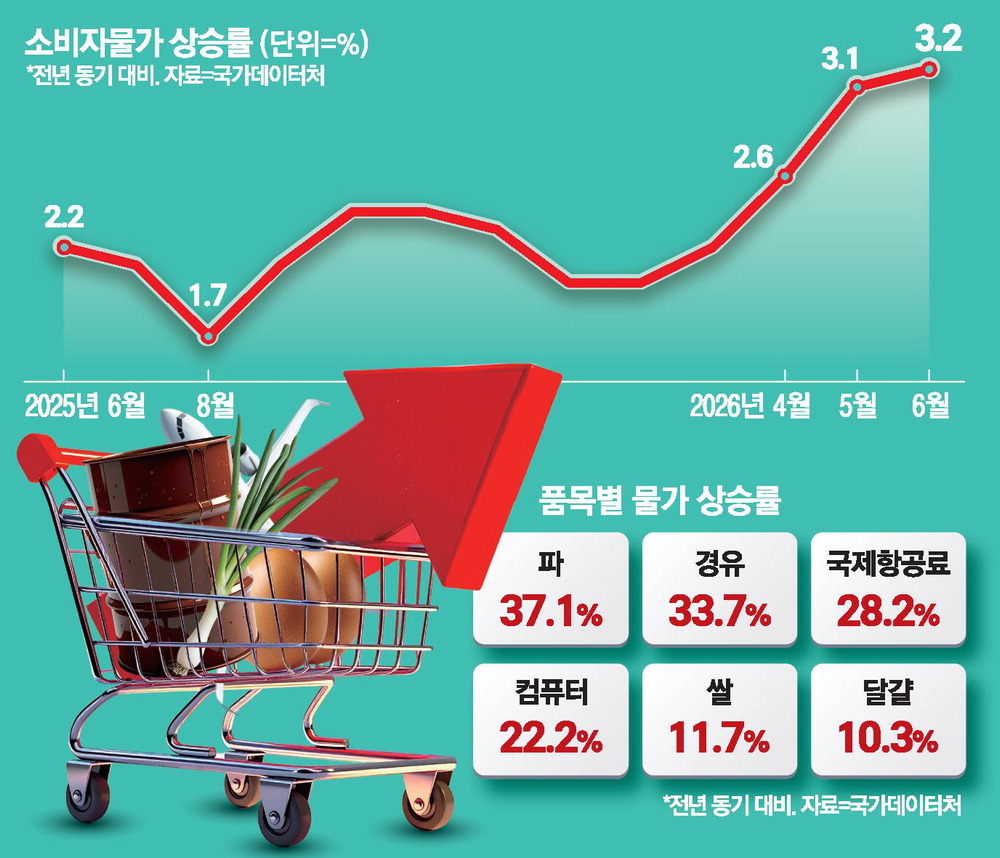
Consumer Prices Jump 3.2% as Middle East War Drives Oil Shock
Consumer prices climbed 3.2% last month, marking the largest increase in 30 months. The main driver was a sharp rise in global oil prices after the Middle East war. Petroleum prices posted their strongest rise in 47 months, while agricultural goods and daily living costs also increased. Inflation will depend heavily on oil and exchange-rate trends.
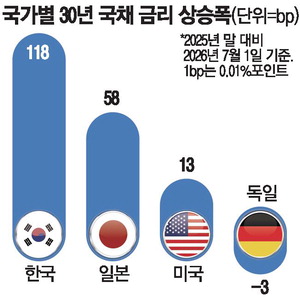
Korean government bond yields lead major-market rise as BOK hike bets return
Korean government bond yields have risen faster than U.S. and Japanese peers this year, making Korea the standout mover among major bond markets. Inflation pressure and stronger growth expectations have pushed investors to price in renewed Bank of Korea tightening risk. Higher sovereign yields can feed into bank bonds, corporate debt, mortgages and currency

KEAD Expands Mobile Job Counseling for Disabled Job Seekers at 26 Sites Nationwide
The Korea Employment Agency for Persons with Disabilities is operating mobile counseling services at 26 sites nationwide. The program reduces travel barriers for disabled job seekers and brings employment counseling closer to their communities. It aims to narrow regional service gaps and expand participation in the labor market.

Dongtan, Yongin Giheung and Guri Face Curbs as Supply and Rates Set Prices
Dongtan, Yongin Giheung and Guri have moved into a tighter regulatory zone, making a short-term slowdown likely. Stricter lending and heavier acquisition, holding and capital gains taxes will weigh on buyers. Over the medium term, home prices will depend on new supply and interest-rate direction.

U.S. Q1 GDP Revised Up to 2.1%, but Consumer Slowdown Clouds Outlook
U.S. real GDP growth for Q1 2026 was revised up to an annualized 2.1%. The figure beat the prior 1.6% estimate and confirmed resilience, but the upgrade was driven mainly by a smaller import drag. Consumer spending rose only 0.5%, while final sales to private domestic purchasers slowed to 1.7%. Korean markets must watch the dollar, Treasury yields, semicondu
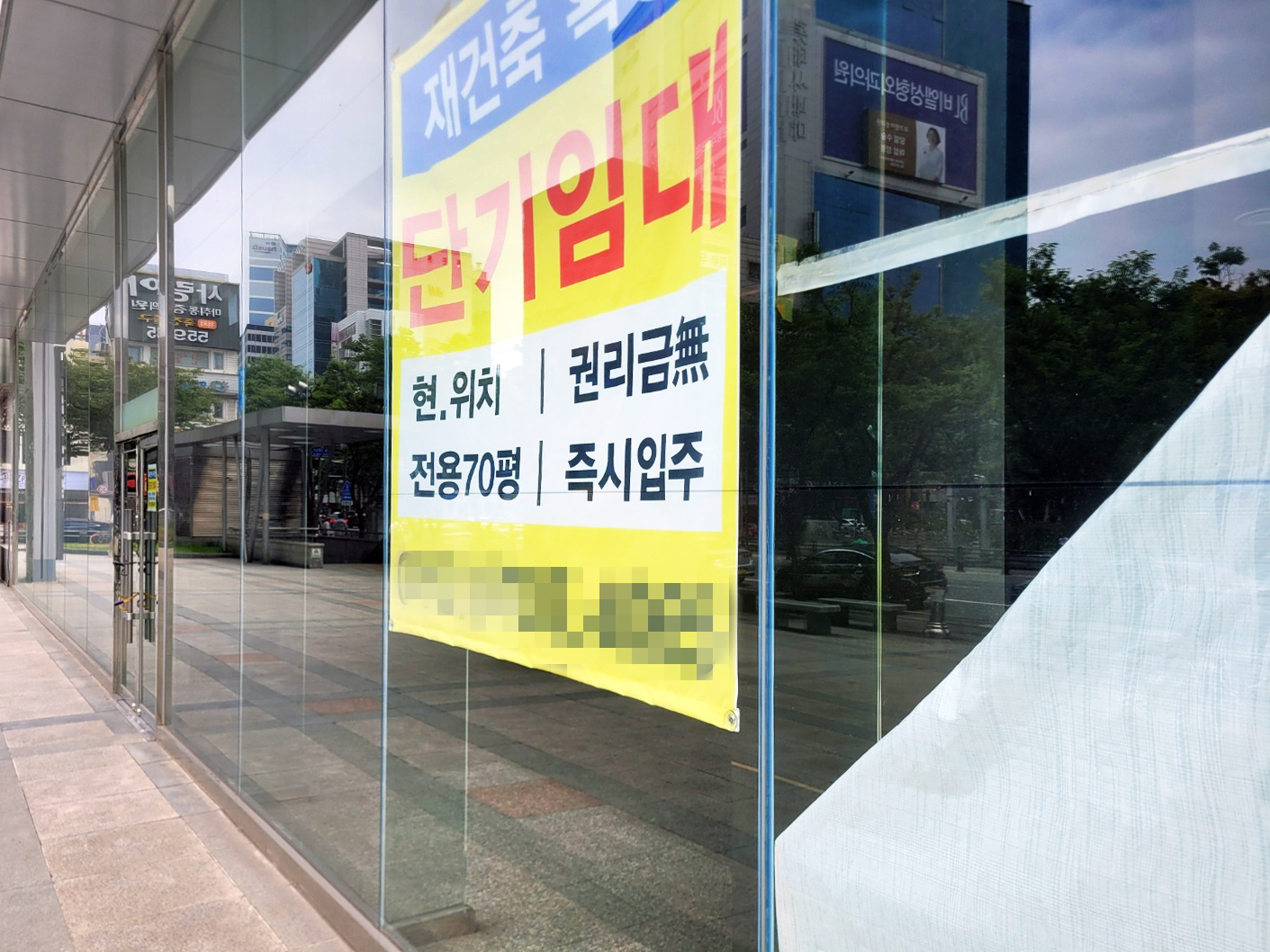
Commercial landlord loan delinquencies jump eightfold as vacancies and high rates bite
Rental-property loan stress is spreading through Korea’s commercial real estate market. Delinquencies have expanded eightfold in four years to about 800 billion won. Empty shops, tenant failures and high borrowing costs are eroding cash flow once seen as reliable collateral support.
Mid-Rate Livelihood Loan Launches for Lower-Credit Borrowers at 5.9% to 15.27%
The mid-rate livelihood stabilization loan launched on the 29th for borrowers in the lower 50% of credit scores. The annual interest range is 5.9% to 15.27%. It gives lower-credit households a regulated option for living expenses and urgent cash needs. Borrowers should compare repayment terms and total interest before applying.

U.S. Supreme Court Lets Fed Governor Lisa Cook Stay, Halting Trump’s Fed Control Push
The U.S. Supreme Court ruled 5-4 on June 29, 2026, that Lisa Cook may remain a Federal Reserve governor while litigation continues. President Donald Trump’s attempt to remove her ran into the legal protections surrounding Fed governors. The decision reinforces central bank independence. For Korean markets, the key channels are USD/KRW, U.S. Treasury yields,