Consumer Inflation Tops 3% Again as Oil and Chipflation Raise Korean Living Costs
Consumer prices have exceeded 3% for a second month, shaking the path back to price stability. Oil is raising fuel and logistics costs, while chipflation is affecting electronics, autos and servers. Korea’s reliance on imported crude and key components makes won-based costs more sensitive. Persistent inflation could delay rate-cut expectations.

Consumer inflation has stayed above 3% for two consecutive months. The pressure is not a narrow seasonal move; it is a cost shock from energy and core components at the same time. Higher oil prices lift gasoline, diesel, air freight and shipping costs, while chipflation sends semiconductor costs into electronics, cars and server investment. For Korea, which imports crude oil and advanced parts, dollar prices become a heavier burden when converted into won.
Energy Keeps Inflation Above 3%
A second month above 3% means inflation has moved farther from the 2% stability target. Oil first affects refinery input costs and pump prices, then spreads to delivery, aviation, shipping and food distribution. Households feel it through fuel and utility bills, while small businesses face decisions on passing along electricity, gas and logistics costs. Fuel-tax policy, power and gas tariffs and public-fee management remain key domestic variables.
Chipflation Reaches Goods Prices
Chipflation is the pass-through of higher semiconductor prices into final goods. More expensive memory and system chips raise costs for smartphones, PCs, appliances, auto electronics and AI servers. Companies respond by trimming discounts, managing inventories and lifting new-model prices. The effect also reaches services over time through repair costs, telecom equipment and cloud fees.
What Comes Next for Korea
The key question is how long 3% inflation lasts. Stable oil and faster chip supply could cool the rate, but a weaker won, geopolitical risk, electricity-price adjustments and AI chip demand could keep perceived inflation high. If inflation remains sticky, rate-cut hopes may move back and debt relief for households will be slower.
Key points
- Consumer prices have exceeded 3% for a second month, shaking the path back to price stability. Oil is raising fuel and logistics costs, while chipflation is affecting electronics, autos and servers. Korea’s reliance on imported crude and key components makes won-based costs more sensitive. Persistent inflation could delay rate-cut expectations.
- Use the body and FAQ context before acting on this update.
- Compare with related issues inside the category hub.
FAQ
Why did inflation stay above 3% for two months?
Higher oil prices lifted energy and logistics costs, while rising semiconductor prices moved into manufactured goods.
What is chipflation?
It is the spread of higher semiconductor prices into products such as smartphones, PCs, cars, servers and related services.
How does this affect Korean households?
Fuel, utilities, delivery and electronics costs can rise, and sticky inflation may delay expectations for lower interest rates.
Latest stories

Dongtan, Yongin Giheung and Guri Face Curbs as Supply and Rates Set Prices
Dongtan, Yongin Giheung and Guri have moved into a tighter regulatory zone, making a short-term slowdown likely. Stricter lending and heavier acquisition, holding and capital gains taxes will weigh on buyers. Over the medium term, home prices will depend on new supply and interest-rate direction.

U.S. Q1 GDP Revised Up to 2.1%, but Consumer Slowdown Clouds Outlook
U.S. real GDP growth for Q1 2026 was revised up to an annualized 2.1%. The figure beat the prior 1.6% estimate and confirmed resilience, but the upgrade was driven mainly by a smaller import drag. Consumer spending rose only 0.5%, while final sales to private domestic purchasers slowed to 1.7%. Korean markets must watch the dollar, Treasury yields, semicondu

Commercial landlord loan delinquencies jump eightfold as vacancies and high rates bite
Rental-property loan stress is spreading through Korea’s commercial real estate market. Delinquencies have expanded eightfold in four years to about 800 billion won. Empty shops, tenant failures and high borrowing costs are eroding cash flow once seen as reliable collateral support.
Mid-Rate Livelihood Loan Launches for Lower-Credit Borrowers at 5.9% to 15.27%
The mid-rate livelihood stabilization loan launched on the 29th for borrowers in the lower 50% of credit scores. The annual interest range is 5.9% to 15.27%. It gives lower-credit households a regulated option for living expenses and urgent cash needs. Borrowers should compare repayment terms and total interest before applying.

U.S. Supreme Court Lets Fed Governor Lisa Cook Stay, Halting Trump’s Fed Control Push
The U.S. Supreme Court ruled 5-4 on June 29, 2026, that Lisa Cook may remain a Federal Reserve governor while litigation continues. President Donald Trump’s attempt to remove her ran into the legal protections surrounding Fed governors. The decision reinforces central bank independence. For Korean markets, the key channels are USD/KRW, U.S. Treasury yields,
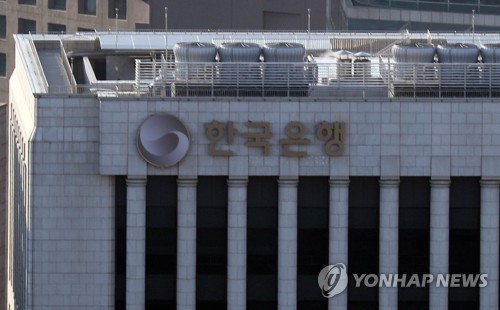
Bank of Korea Opens Search for Chief Economist to Lead Research Institute
The Bank of Korea has started an open recruitment process for the head of its Economic Research Institute. The position functions as the central bank’s chief economist, guiding research on inflation, growth, monetary policy and financial stability. The appointment comes as markets track interest rates, won volatility and Korea’s economic outlook.
Mid-Rate Living Stability Loan Opens for Lower-Credit Borrowers at 5% to 15% Annual Rates
The new mid-rate living stability loan expands formal credit access for borrowers with credit scores in the bottom 50%. Rates are set in the 5% to 15% annual range, with an average target of 11% to 14%. Final pricing will depend on income, repayment ability and existing debt.
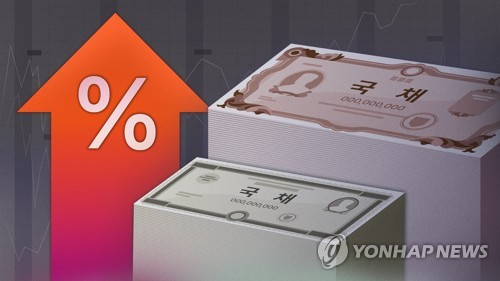
Korean Treasury Yields Rise Across the Curve as 3-Year Note Hits 3.733%
Korean government bond yields moved higher across the curve on June 29. The 3-year Treasury yield, a key market benchmark, stood at 3.733%. Rising yields mean falling bond prices and may affect bank funding, corporate borrowing and household loan rates. Investors are watching inflation, policy signals and bond supply.