Fed Market-Price Trust Test: Kevin Warsh’s Small-Fed FOMC Signal
The small-Fed debate is not simply about cutting rates sooner. It asks whether the Fed can use market prices as evidence after years of shaping those same prices. The issue runs through the two-year Treasury yield, the dollar, inflation expectations and Korea’s FX, bond and equity markets.
The Fed market-price debate has a clear core. Kevin Warsh’s small-Fed argument is not a call for faster easing; it is a challenge to the Fed’s habit of reading prices it has already influenced. If a central bank says it will watch market prices but avoids the prices that moved most sharply, including the expected rate path, two-year Treasury yields and the dollar, the FOMC signal loses force.
Why Small Fed Matters
The issue is the Fed’s footprint. The FOMC normally operates with 12 voting seats and meets eight times a year to set policy around employment and inflation. Yet after the financial crisis and the pandemic, the Fed balance sheet once approached $9 trillion, roughly around 10 quadrillion won. Large purchases of Treasuries and mortgage securities left a heavy policy imprint on long yields, risk assets and dollar liquidity. Market prices are therefore not only collective judgment; they are also the result of intervention.
Prices Markets Are Testing
Three prices matter most. The first is short-rate futures, which translate the next policy path into tradable odds. A single 25 bp shift in expected easing can move two-year yields and technology valuations together. The second is the dollar. A lower U.S. rate path can ease pressure on the won-dollar exchange rate, but weaker Fed credibility can revive safe-haven dollar demand. The third is inflation expectations. If confidence in a return to the 2% target fades, long bond yields and equity discount rates rise.
Korea Impact
For Korean investors, this is not a distant personnel debate in Washington. KOSPI growth shares, local bond funds, dollar deposits and hedge costs for overseas equities all depend on U.S. short rates. Korean regulators also have to watch foreign-currency liquidity, bank LCR ratios and bond valuation losses at securities firms. The next FOMC test is less about the exact first-cut date and more about whether the Fed’s price signal is internally consistent.
Key points
- The small-Fed debate is not simply about cutting rates sooner. It asks whether the Fed can use market prices as evidence after years of shaping those same prices. The issue runs through the two-year Treasury yield, the dollar, inflation expectations and Korea’s FX, bond and equity markets.
- Use the body and FAQ context before acting on this update.
- Compare with related issues inside the category hub.
FAQ
What does Kevin Warsh’s small Fed mean?
It means reducing the Fed’s market footprint and making policy signals narrower, clearer and less dependent on a large balance sheet.
Why is market-price trust important for the FOMC?
Because QE and forward guidance influenced yields and risk assets, making those same prices imperfect policy evidence.
How does this affect Korea?
U.S. short rates and the dollar feed directly into the won-dollar exchange rate, KOSPI growth shares, bond funds and FX hedge costs.
Latest stories
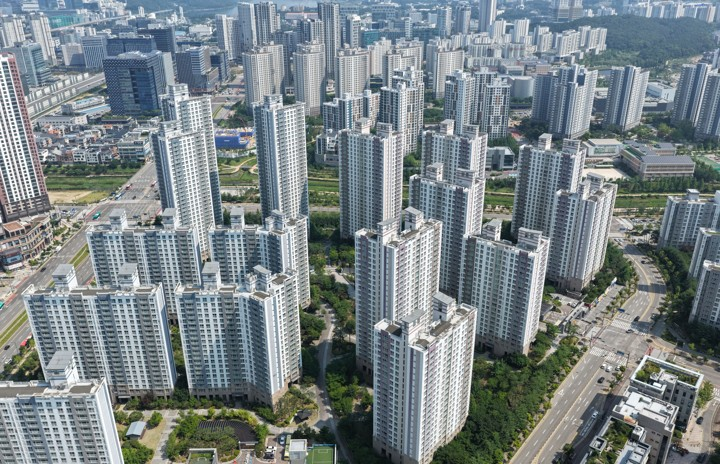
Dongtan, Yongin Giheung and Guri Face Curbs as Supply and Rates Set Prices
Dongtan, Yongin Giheung and Guri have moved into a tighter regulatory zone, making a short-term slowdown likely. Stricter lending and heavier acquisition, holding and capital gains taxes will weigh on buyers. Over the medium term, home prices will depend on new supply and interest-rate direction.

U.S. Q1 GDP Revised Up to 2.1%, but Consumer Slowdown Clouds Outlook
U.S. real GDP growth for Q1 2026 was revised up to an annualized 2.1%. The figure beat the prior 1.6% estimate and confirmed resilience, but the upgrade was driven mainly by a smaller import drag. Consumer spending rose only 0.5%, while final sales to private domestic purchasers slowed to 1.7%. Korean markets must watch the dollar, Treasury yields, semicondu
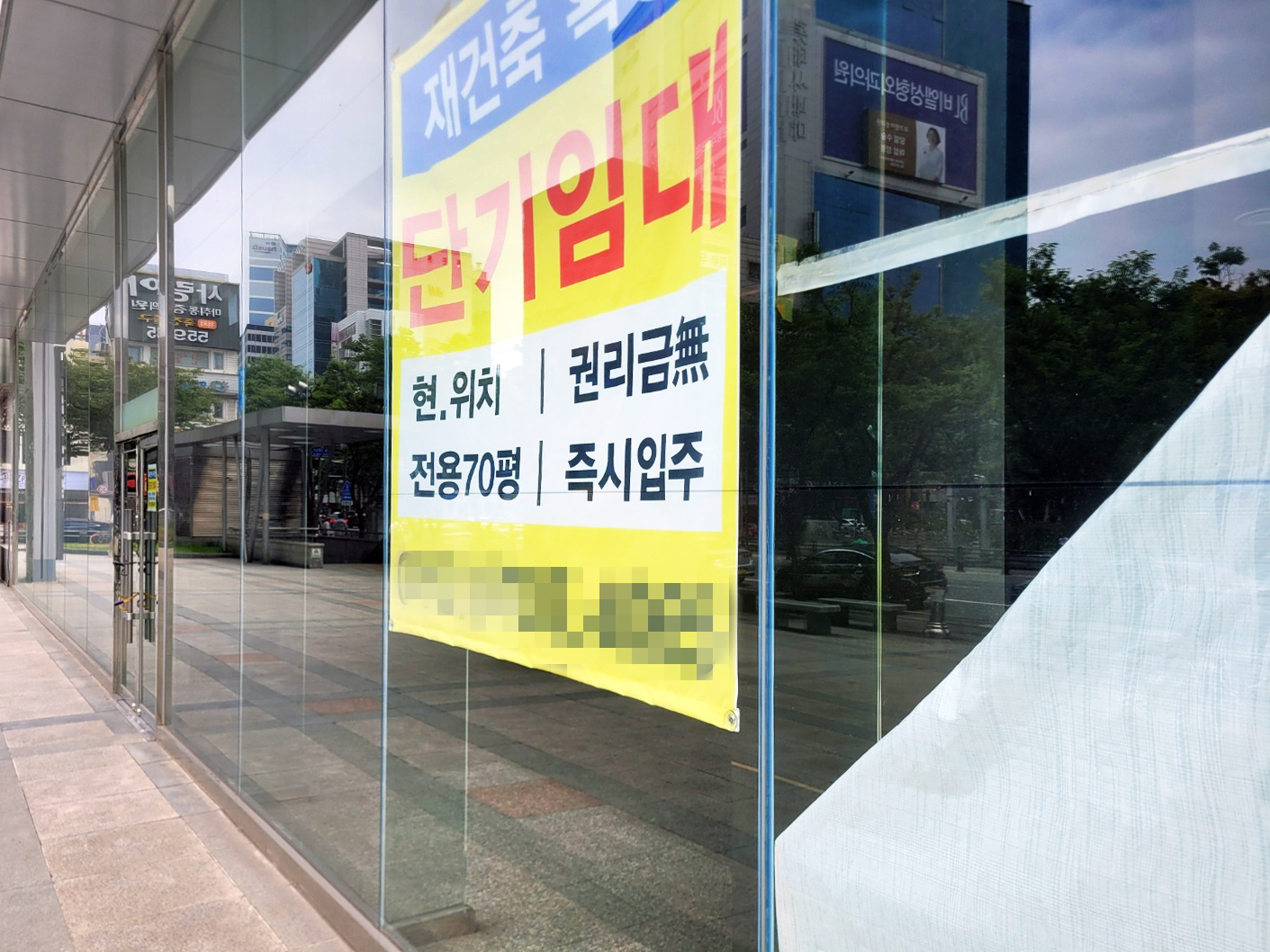
Commercial landlord loan delinquencies jump eightfold as vacancies and high rates bite
Rental-property loan stress is spreading through Korea’s commercial real estate market. Delinquencies have expanded eightfold in four years to about 800 billion won. Empty shops, tenant failures and high borrowing costs are eroding cash flow once seen as reliable collateral support.
Mid-Rate Livelihood Loan Launches for Lower-Credit Borrowers at 5.9% to 15.27%
The mid-rate livelihood stabilization loan launched on the 29th for borrowers in the lower 50% of credit scores. The annual interest range is 5.9% to 15.27%. It gives lower-credit households a regulated option for living expenses and urgent cash needs. Borrowers should compare repayment terms and total interest before applying.
U.S. Supreme Court Lets Fed Governor Lisa Cook Stay, Halting Trump’s Fed Control Push
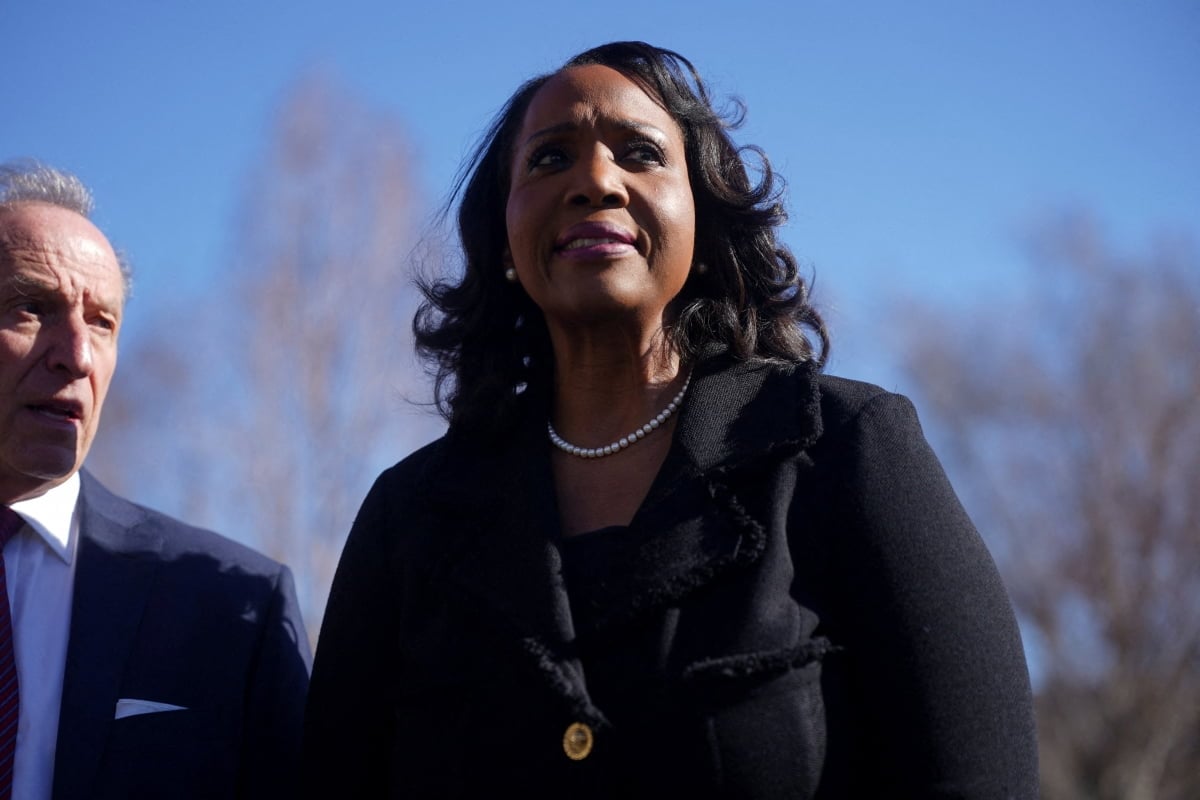
The U.S. Supreme Court ruled 5-4 on June 29, 2026, that Lisa Cook may remain a Federal Reserve governor while litigation continues. President Donald Trump’s attempt to remove her ran into the legal protections surrounding Fed governors. The decision reinforces central bank independence. For Korean markets, the key channels are USD/KRW, U.S. Treasury yields,
Bank of Korea Opens Search for Chief Economist to Lead Research Institute
The Bank of Korea has started an open recruitment process for the head of its Economic Research Institute. The position functions as the central bank’s chief economist, guiding research on inflation, growth, monetary policy and financial stability. The appointment comes as markets track interest rates, won volatility and Korea’s economic outlook.
Mid-Rate Living Stability Loan Opens for Lower-Credit Borrowers at 5% to 15% Annual Rates
The new mid-rate living stability loan expands formal credit access for borrowers with credit scores in the bottom 50%. Rates are set in the 5% to 15% annual range, with an average target of 11% to 14%. Final pricing will depend on income, repayment ability and existing debt.
Korean Treasury Yields Rise Across the Curve as 3-Year Note Hits 3.733%
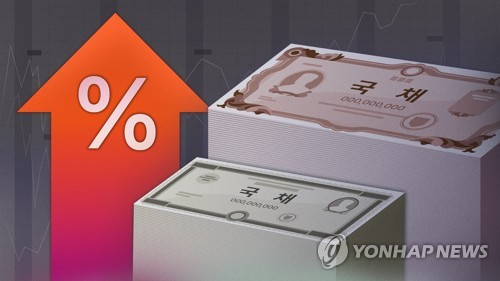
Korean government bond yields moved higher across the curve on June 29. The 3-year Treasury yield, a key market benchmark, stood at 3.733%. Rising yields mean falling bond prices and may affect bank funding, corporate borrowing and household loan rates. Investors are watching inflation, policy signals and bond supply.