Chip Selloff Weakens Nasdaq as Slower Jobs Growth Lifts Dow to Record
Wall Street split between weak chip shares and easing rate pressure. Micron dropped about 5% and SanDisk about 14%, weighing on the Nasdaq. Slower June job growth reduced concerns over further rate hikes and supported a record high in the Dow. Korean investors should watch memory stocks, the won-dollar rate and foreign flows.

The main conclusion is clear. U.S. stocks traded mixed as a sharp semiconductor selloff pressured the tech-heavy Nasdaq, while slower June job growth reduced interest-rate concerns and helped the Dow reach a record high.
Chips Weighed on the Nasdaq
Semiconductors were the weakest link. Micron fell about 5%, and SanDisk plunged about 14%. The losses hit memory and storage-related sentiment and triggered profit-taking across technology names tied to artificial intelligence, data centers and server demand. Because chip stocks had already priced in hopes for earnings recovery and memory-price improvement, even a modest demand concern produced a sharp market reaction.
Jobs Data Eased Rate Pressure
June job growth came in weaker than expected. A cooler labor market is a warning sign for consumption and growth, but it also reduces pressure for additional rate hikes. Lower rate anxiety tends to support large blue-chip, defensive and industrial shares, explaining why the Dow strengthened even as the Nasdaq declined.
What It Means for Korea
For Korean investors, the move matters directly for Samsung Electronics, SK hynix and growth stocks on the Kosdaq. Micron’s 5% drop and SanDisk’s 14% slide raise questions about memory demand and storage pricing. A high won-dollar exchange rate can partly offset U.S. share losses in local currency terms, but a steadier won can expose the equity decline more clearly. The next focus for Korea will be semiconductor exports, memory prices and foreign investor flows.
Key points
- Wall Street split between weak chip shares and easing rate pressure. Micron dropped about 5% and SanDisk about 14%, weighing on the Nasdaq. Slower June job growth reduced concerns over further rate hikes and supported a record high in the Dow. Korean investors should watch memory stocks, the won-dollar rate and foreign flows.
- Use the body and FAQ context before acting on this update.
- Compare with related issues inside the category hub.
FAQ
Why did U.S. stocks trade mixed?
Chip shares pressured the Nasdaq, while weaker June jobs data eased rate-hike concerns and helped the Dow hit a record high.
How much did Micron and SanDisk fall?
Micron fell about 5%, and SanDisk dropped about 14%.
Why does this matter to Korean investors?
The selloff can affect Samsung Electronics, SK hynix and Korean growth stocks, while the won-dollar rate may change the local-currency impact.
Latest stories
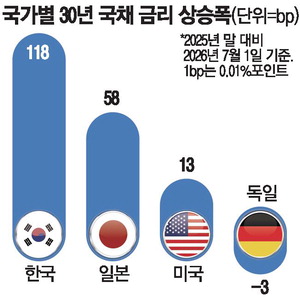
Korean government bond yields lead major-market rise as BOK hike bets return
Korean government bond yields have risen faster than U.S. and Japanese peers this year, making Korea the standout mover among major bond markets. Inflation pressure and stronger growth expectations have pushed investors to price in renewed Bank of Korea tightening risk. Higher sovereign yields can feed into bank bonds, corporate debt, mortgages and currency

KEAD Expands Mobile Job Counseling for Disabled Job Seekers at 26 Sites Nationwide
The Korea Employment Agency for Persons with Disabilities is operating mobile counseling services at 26 sites nationwide. The program reduces travel barriers for disabled job seekers and brings employment counseling closer to their communities. It aims to narrow regional service gaps and expand participation in the labor market.

Dongtan, Yongin Giheung and Guri Face Curbs as Supply and Rates Set Prices
Dongtan, Yongin Giheung and Guri have moved into a tighter regulatory zone, making a short-term slowdown likely. Stricter lending and heavier acquisition, holding and capital gains taxes will weigh on buyers. Over the medium term, home prices will depend on new supply and interest-rate direction.

U.S. Q1 GDP Revised Up to 2.1%, but Consumer Slowdown Clouds Outlook
U.S. real GDP growth for Q1 2026 was revised up to an annualized 2.1%. The figure beat the prior 1.6% estimate and confirmed resilience, but the upgrade was driven mainly by a smaller import drag. Consumer spending rose only 0.5%, while final sales to private domestic purchasers slowed to 1.7%. Korean markets must watch the dollar, Treasury yields, semicondu

Commercial landlord loan delinquencies jump eightfold as vacancies and high rates bite
Rental-property loan stress is spreading through Korea’s commercial real estate market. Delinquencies have expanded eightfold in four years to about 800 billion won. Empty shops, tenant failures and high borrowing costs are eroding cash flow once seen as reliable collateral support.
Mid-Rate Livelihood Loan Launches for Lower-Credit Borrowers at 5.9% to 15.27%
The mid-rate livelihood stabilization loan launched on the 29th for borrowers in the lower 50% of credit scores. The annual interest range is 5.9% to 15.27%. It gives lower-credit households a regulated option for living expenses and urgent cash needs. Borrowers should compare repayment terms and total interest before applying.

U.S. Supreme Court Lets Fed Governor Lisa Cook Stay, Halting Trump’s Fed Control Push
The U.S. Supreme Court ruled 5-4 on June 29, 2026, that Lisa Cook may remain a Federal Reserve governor while litigation continues. President Donald Trump’s attempt to remove her ran into the legal protections surrounding Fed governors. The decision reinforces central bank independence. For Korean markets, the key channels are USD/KRW, U.S. Treasury yields,
Bank of Korea Opens Search for Chief Economist to Lead Research Institute
The Bank of Korea has started an open recruitment process for the head of its Economic Research Institute. The position functions as the central bank’s chief economist, guiding research on inflation, growth, monetary policy and financial stability. The appointment comes as markets track interest rates, won volatility and Korea’s economic outlook.