Mid-Rate Living Stability Loans for Lower-Credit Borrowers Launch June 29
A new mid-rate living stability loan program starts June 29 through six savings banks. It targets borrowers with credit scores in the lower 50%. Loans carry annual rates in the 5% to 15% range and allow up to 10 million won in additional borrowing regardless of annual-income limits.
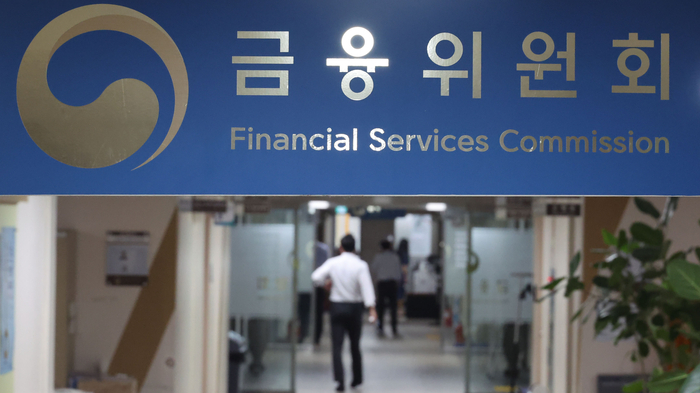
A mid-rate living stability loan for lower- and middle-credit borrowers launches on June 29 at six savings banks. The key feature is that eligible borrowers can receive up to 10 million won in additional funds regardless of their annual-income loan limit. The product is designed with annual interest rates in the 5% to 15% range, giving households that often rely on higher-cost credit a broader option within the regulated financial system.
Wider Access to Living Funds
The main target is borrowers whose credit scores fall in the lower 50%. Demand is expected from households needing short-term cash for living expenses, medical bills, rent, housing costs or education costs but facing difficulty obtaining bank loans. Because the loan can be taken separately from annual-income limits, it may help borrowers already close to their income-based borrowing ceiling.
The product will be handled by six savings banks. The actual rate will vary depending on credit profile, repayment capacity and each lender’s review. The maximum loan amount is 10 million won. The purpose is not large-scale investment or business expansion, but support for household liquidity and short-term stability.
Borrowers Still Need to Check Repayment Burden
For lower-credit borrowers, a 5% to 15% rate range can be less burdensome than some card loans, cash advances or higher-rate unsecured loans. However, not every applicant will receive the lowest rate. Approval and pricing will depend on credit score, existing debt, delinquency history, income stability and repayment plan.
The product could reduce reliance on very high-cost lending if approvals and pricing remain practical. The key test will be the actual approval rate and average applied rate after launch. Borrowers should compare terms across savings banks and check monthly payments, total interest, maturity, repayment method and any early repayment fees before applying.
Key points
- A new mid-rate living stability loan program starts June 29 through six savings banks. It targets borrowers with credit scores in the lower 50%. Loans carry annual rates in the 5% to 15% range and allow up to 10 million won in additional borrowing regardless of annual-income limits.
- Use the body and FAQ context before acting on this update.
- Compare with related issues inside the category hub.
FAQ
Who can apply for the mid-rate living stability loan?
It is mainly for lower- and middle-credit borrowers whose credit scores are in the lower 50%.
How much can borrowers receive?
Eligible borrowers can receive up to 10 million won in additional borrowing regardless of annual-income limits.
What interest rate applies?
The rate range is 5% to 15% annually, with the final rate depending on credit profile and lender review.
Latest stories

Stronger Rate-Hike Signal Jolts FX and Bonds as Yields Climb
Foreign exchange and bond markets reacted sharply to a stronger rate-hike signal. Bond yields rose as investors reassessed the policy-rate path and inflation risks. A weaker won can affect import prices, foreign flows and Korean asset valuations. Markets are watching inflation data and central-bank language closely.
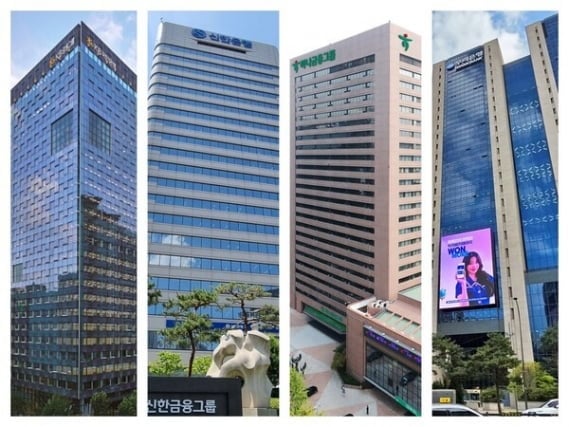
Rate Hike Odds and Tax-Free Dividend Hopes Lift Financial Stocks
Financial shares are gaining momentum as investors reassess earnings and dividends under a higher-rate scenario. Banks may benefit from wider lending margins, while insurers could see stronger investment income. Tax-free dividend expectations add another layer by improving after-tax cash flow. Credit costs and slower growth remain the main risks.

Korea Treasury Yields Mixed as 3-Year Bond Trades at 3.722%
Korean government bond yields showed a mixed pattern by maturity on the 26th. The three-year yield, a key policy-sensitive benchmark, stood at 3.722%. The move reflected shifting expectations for monetary policy, domestic liquidity conditions and risk appetite. For investors, it is a signal to reassess loan rates, corporate funding costs and bond fund exposu

Migrant Workers Press for Employment Permit Reform as Abuse Blocks Job Mobility
Migrant workers are challenging workplace transfer restrictions under South Korea’s Employment Permit System. They say abuse, unpaid wages and violence can continue when employer consent is needed to change jobs. The debate now sits between labor rights and the staffing needs of small manufacturers, farms and other labor-short sectors.
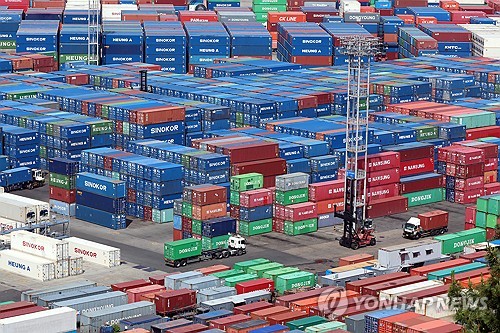
Jobless Growth and Weak Domestic Demand Put Korea on Alert for Five Risks
South Korea has regained export momentum through semiconductors, yet the recovery remains uneven. Jobless growth and weak domestic demand are the main pressure points. A shift toward tighter monetary policy, wider stock-market swings and a slow construction recovery could weigh on the second half.
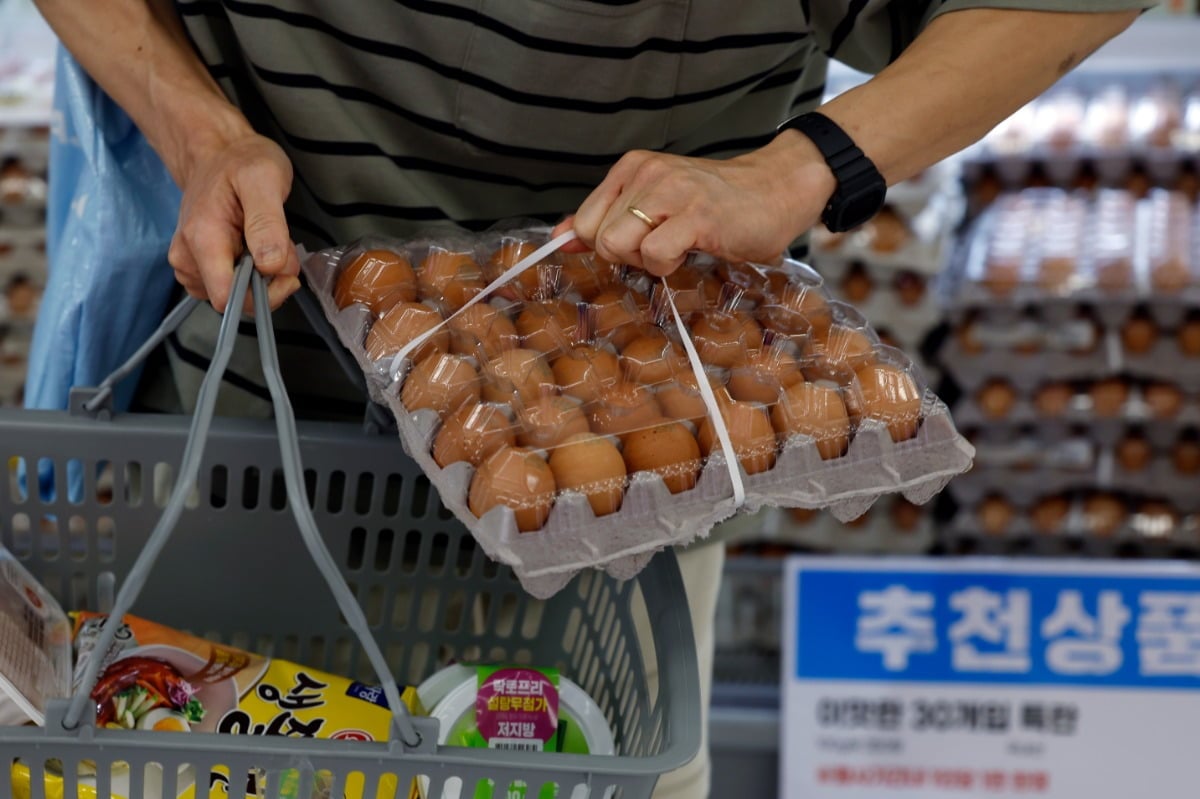
Eggs at 5,000 Won for 10 Push Korea to Spend 1 Trillion Won on Prices
Egg prices at 5,000 won for 10 have become a clear signal of household inflation in Korea. A 1 trillion won fiscal package is being deployed to ease food-price pressure. Discounts and supply management may help in the short term, but feed, logistics and weather remain major risks.

Korea’s second-half growth strategy targets three highs and youth employment
The second-half strategy puts the three highs at the center of economic management. The goal is to ease household costs, reduce financing pressure and limit exchange-rate volatility. Youth employment is treated as a growth issue, not only a labor-market issue.
AI Job Anxiety Splits Korea and the U.S. as Koreans Hold On and Americans Move
AI is raising job anxiety, but Korea and the U.S. are reacting differently. U.S. employees are moving through job changes, retraining and relocation, while Korean employees prefer stable employment and internal transfers. Writing, customer support and junior coding are highly exposed to automation. AI wage premiums, converted into won, deepen the pressure.