Korean Treasury Yields Rise Across the Curve as 3-Year Note Hits 3.733%
Korean government bond yields moved higher across the curve on June 29. The 3-year Treasury yield, a key market benchmark, stood at 3.733%. Rising yields mean falling bond prices and may affect bank funding, corporate borrowing and household loan rates. Investors are watching inflation, policy signals and bond supply.
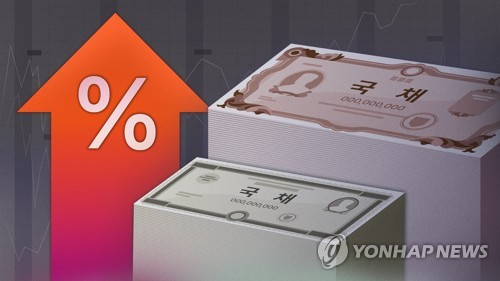
Korean Treasury yields rose across major maturities on June 29, pushing the 3-year government bond yield to 3.733%. The move signals renewed pressure in the domestic bond market, where higher yields translate into lower bond prices and more expensive won-denominated funding.
3-Year Yield at 3.733%
The 3-year Korean Treasury is closely watched because it reflects expectations for monetary policy, short-term funding conditions and pricing across bank bonds and corporate debt. A rise to 3.733% means investors are demanding a higher return to hold government debt. For existing bondholders, that reduces mark-to-market valuations. For new buyers, it offers higher income but also points to a market reassessing interest-rate risks.
Impact on Borrowers and Investors
Government bond yields serve as a reference point for deposits, loans, bank debt, corporate bonds and other won-based financial products. A higher 3-year yield can feed into fixed-rate mortgage pricing, credit loans and refinancing costs for companies. Corporate borrowers may face tighter conditions when issuing or rolling over debt. Korean investors with bond funds or retirement portfolios should monitor valuation changes as yields move.
Outlook
The next direction depends on inflation, central-bank guidance, Treasury issuance and foreign investor flows. If inflation remains sticky or expectations for policy easing weaken, yields may stay elevated. If growth concerns deepen and safe-haven demand improves, upward pressure could ease.
Key points
- Korean government bond yields moved higher across the curve on June 29. The 3-year Treasury yield, a key market benchmark, stood at 3.733%. Rising yields mean falling bond prices and may affect bank funding, corporate borrowing and household loan rates. Investors are watching inflation, policy signals and bond supply.
- Use the body and FAQ context before acting on this update.
- Compare with related issues inside the category hub.
FAQ
What was the 3-year Korean Treasury yield?
The 3-year Korean Treasury yield stood at 3.733%.
What does a rise in Treasury yields mean?
It means bond prices fall while the market demands higher returns for holding debt.
Why does this matter for households and companies?
Higher government bond yields can influence bank funding, loan rates and corporate borrowing costs.
Latest stories

Labor Ministry Promotes Kim Cho-kyung to Standing Member of Seoul Labor Relations Commission
The Ministry of Employment and Labor has promoted Kim Cho-kyung to standing member of the Seoul Labor Relations Commission. The move centers on continuity in labor dispute mediation and adjudication for the Seoul area. Its practical significance lies in how predictably labor cases are handled for companies and workers.

New York and Shanghai Stocks Brace for U.S. June Payrolls, Rates and FX
New York and Shanghai stocks are treating U.S. June nonfarm payrolls as the week’s key macro signal. Job growth, unemployment and wage data can shift the rate path and the dollar. Korean investors are watching the won, semiconductors, autos, batteries and foreign flows into the Kospi.

Stronger Rate-Hike Signal Jolts FX and Bonds as Yields Climb
Foreign exchange and bond markets reacted sharply to a stronger rate-hike signal. Bond yields rose as investors reassessed the policy-rate path and inflation risks. A weaker won can affect import prices, foreign flows and Korean asset valuations. Markets are watching inflation data and central-bank language closely.
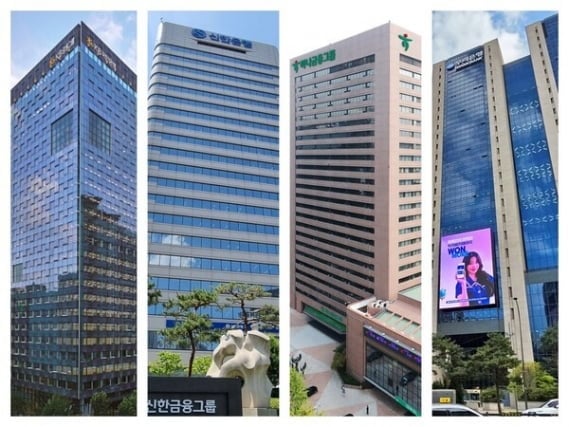
Rate Hike Odds and Tax-Free Dividend Hopes Lift Financial Stocks
Financial shares are gaining momentum as investors reassess earnings and dividends under a higher-rate scenario. Banks may benefit from wider lending margins, while insurers could see stronger investment income. Tax-free dividend expectations add another layer by improving after-tax cash flow. Credit costs and slower growth remain the main risks.

Korea Treasury Yields Mixed as 3-Year Bond Trades at 3.722%
Korean government bond yields showed a mixed pattern by maturity on the 26th. The three-year yield, a key policy-sensitive benchmark, stood at 3.722%. The move reflected shifting expectations for monetary policy, domestic liquidity conditions and risk appetite. For investors, it is a signal to reassess loan rates, corporate funding costs and bond fund exposu

Migrant Workers Press for Employment Permit Reform as Abuse Blocks Job Mobility
Migrant workers are challenging workplace transfer restrictions under South Korea’s Employment Permit System. They say abuse, unpaid wages and violence can continue when employer consent is needed to change jobs. The debate now sits between labor rights and the staffing needs of small manufacturers, farms and other labor-short sectors.
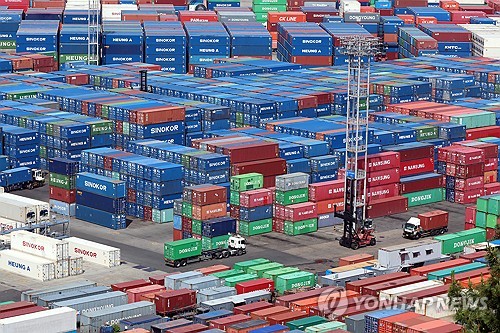
Jobless Growth and Weak Domestic Demand Put Korea on Alert for Five Risks
South Korea has regained export momentum through semiconductors, yet the recovery remains uneven. Jobless growth and weak domestic demand are the main pressure points. A shift toward tighter monetary policy, wider stock-market swings and a slow construction recovery could weigh on the second half.

Eggs at 5,000 Won for 10 Push Korea to Spend 1 Trillion Won on Prices
Egg prices at 5,000 won for 10 have become a clear signal of household inflation in Korea. A 1 trillion won fiscal package is being deployed to ease food-price pressure. Discounts and supply management may help in the short term, but feed, logistics and weather remain major risks.