South Korea Raises 2026 Growth Outlook to 3% on Chip Boom and ‘3·4·5’ Vision
South Korea’s second-half economic strategy centers on a higher 3% real growth outlook for 2026. The forecast rose by 1 percentage point from the 2% view set at the start of the year. The upgrade reflects a strong semiconductor cycle, export recovery, managed geopolitical risks, 12.3% nominal growth and a lower 47% debt ratio.

South Korea has raised its 2026 economic growth outlook to 3%, shifting second-half policy toward faster recovery and stronger industrial competitiveness. The projection is up from 2% at the start of the year, a 1 percentage point increase in just six months, and sits above the Bank of Korea’s prior view.
The ‘3·4·5’ Vision
The strategy is built around the ‘3·4·5’ vision, with 3% growth as the headline target and the slogan “Irreplaceable Korea” framing the policy message. The main driver is the semiconductor supercycle. Demand for AI servers, high-performance memory and supply-chain realignment is lifting both prices and shipment volumes for Korean chipmakers.
Key Numbers
Nominal growth is projected at 12.3%, a level that could support tax revenue and fiscal indicators if stronger corporate sales and real growth materialize together. The debt-to-GDP ratio outlook has been lowered to 47%, reflecting the effect of faster nominal GDP expansion. In Korean won terms, higher export revenue can improve corporate earnings, employment and domestic demand. The key risks remain the won-dollar exchange rate, oil prices and the cost impact of the Middle East conflict.
Market Impact
Korean equities tied to chips, equipment, materials and power infrastructure stand to benefit most directly. A stronger export cycle may also support won-denominated assets. For households, however, the 3% growth path must translate into wages, jobs and stable prices before the recovery is fully felt. The second half will test whether Korea can turn the chip boom into investment, income and fiscal resilience.
Key points
- South Korea’s second-half economic strategy centers on a higher 3% real growth outlook for 2026. The forecast rose by 1 percentage point from the 2% view set at the start of the year. The upgrade reflects a strong semiconductor cycle, export recovery, managed geopolitical risks, 12.3% nominal growth and a lower 47% debt ratio.
- Use the body and FAQ context before acting on this update.
- Compare with related issues inside the category hub.
FAQ
How much did South Korea raise its growth outlook?
The outlook rose from 2% at the start of the year to 3%, a 1 percentage point increase.
What is driving the upgrade?
The main factors are the semiconductor boom, export recovery, managed Middle East risks and stronger nominal growth.
What is the new debt ratio outlook?
The debt-to-GDP ratio outlook has been lowered to 47%.
Latest stories
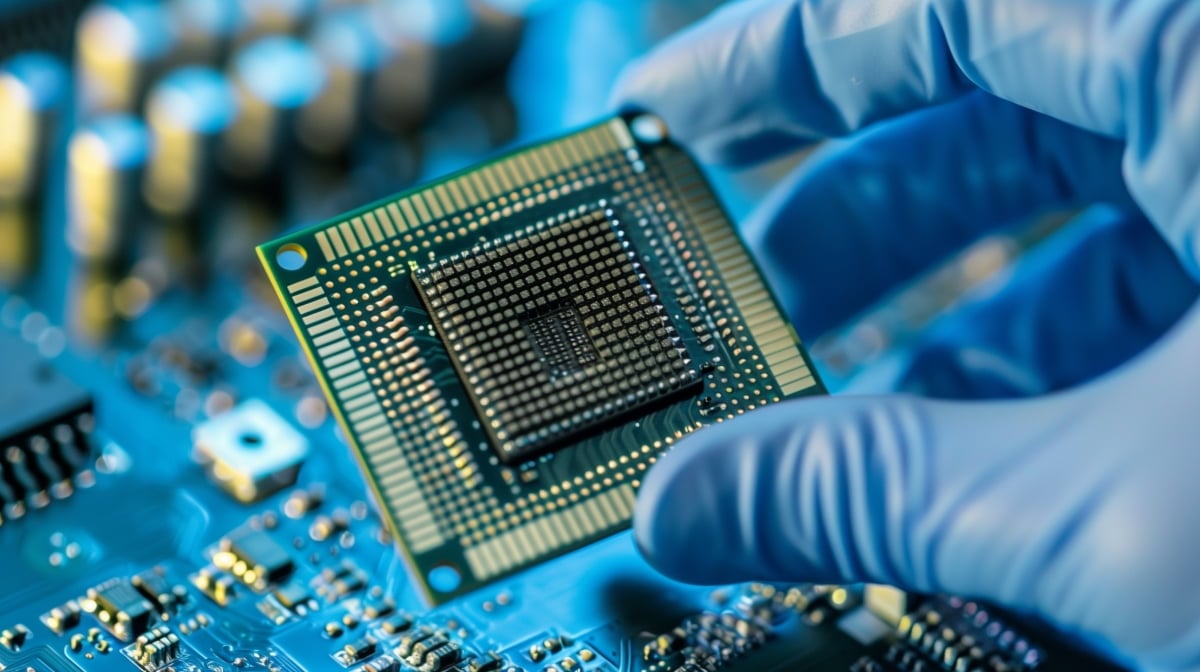
Chip boom meets a cold job market as Korea faces growth without broad hiring
Korea’s semiconductor industry has entered a powerful upcycle on AI server and high-bandwidth memory demand, yet the labor market remains cold. Capital spending is going into cleanrooms, tools, automation and software, while new hiring is concentrated in experienced and advanced technical roles. The gap between better won-denominated earnings and weak job cr
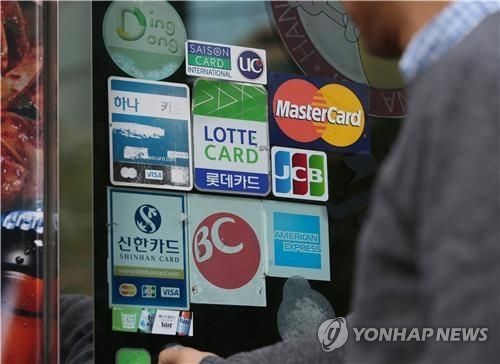
Card Loan Rates Fall for Low-Credit Borrowers, Rise for Prime Users
Card loan rates are moving in opposite directions by credit profile. Lower-credit borrowers are receiving reduced rates, while high-credit borrowers are seeing increases. The shift reflects card companies’ broader push into mid-rate loans and tighter management of funding costs and credit risk.
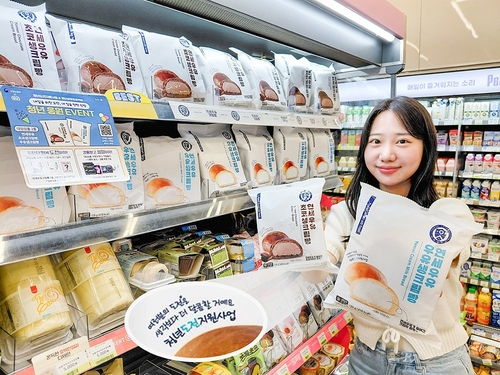
CU and Labor Ministry Launch Youth Support Campaign With Yonsei Milk Cream Bread
CU is working with the Ministry of Employment and Labor on a campaign that supports young people’s challenges and growth. The campaign uses Yonsei Milk Cream Bread as the main product touchpoint. By linking a public message with a familiar convenience store dessert, the project brings youth policy communication closer to everyday consumers.
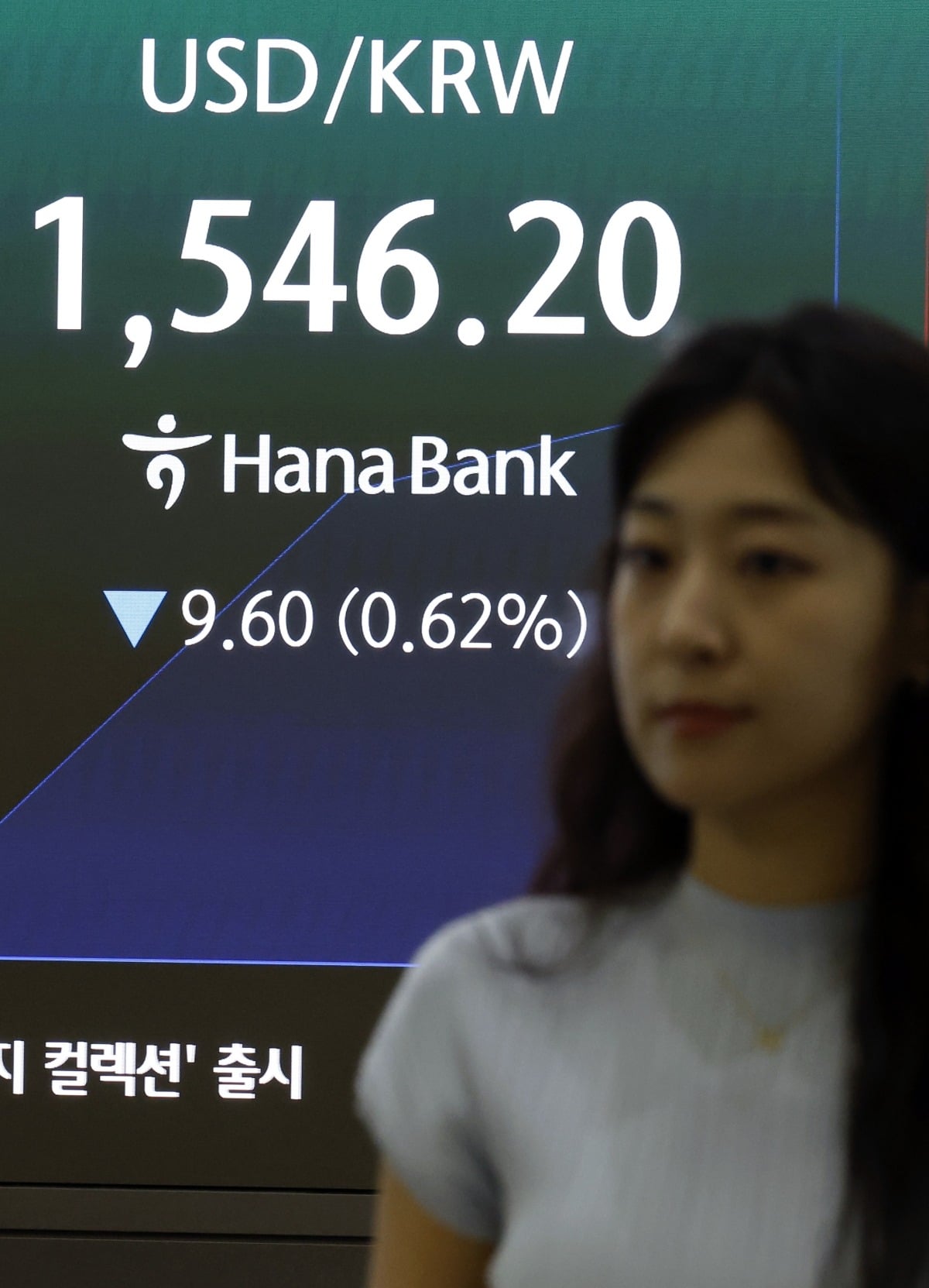
Weak U.S. Jobs Data Lowers Rate-Hike Bets as Won-Dollar Opens at 1,544.5
Soft U.S. employment data pushed investors to scale back expectations for additional rate hikes. The won-dollar exchange rate opened at 1,544.5. While lower rate pressure may cool dollar strength, growth concerns can still increase demand for safety and keep the won volatile.
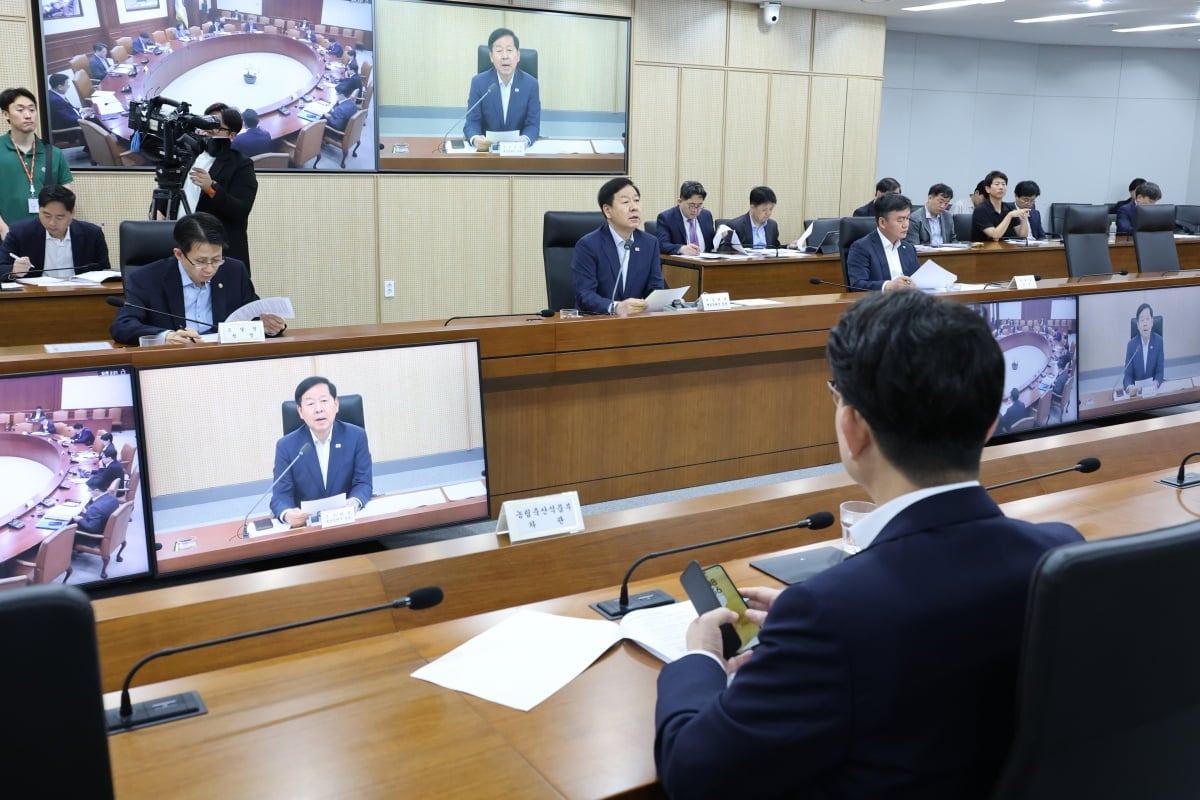
Ultra-Low-Rate Win-Win Loans Added as FX Insurance Opens to Importers
Ultra-low-rate win-win loans are being introduced, while exchange fluctuation insurance will cover all importers except luxury goods companies. The package targets firms squeezed by a weak won and high borrowing costs. Importers of raw materials, intermediate goods and essential consumer items are expected to gain more stable cash flow.
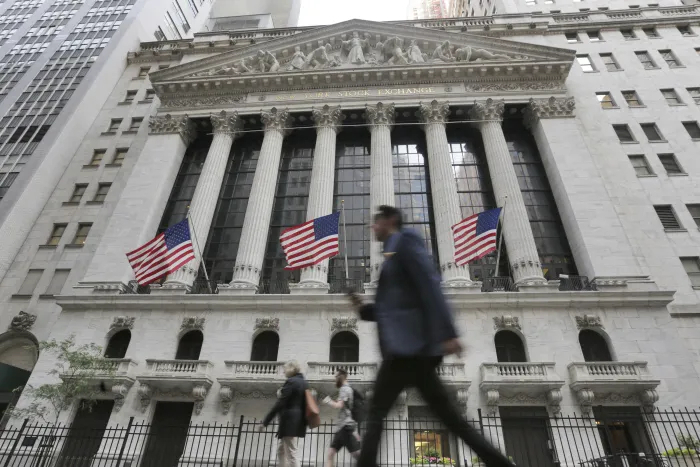
Chip Selloff Weakens Nasdaq as Slower Jobs Growth Lifts Dow to Record
Wall Street split between weak chip shares and easing rate pressure. Micron dropped about 5% and SanDisk about 14%, weighing on the Nasdaq. Slower June job growth reduced concerns over further rate hikes and supported a record high in the Dow. Korean investors should watch memory stocks, the won-dollar rate and foreign flows.
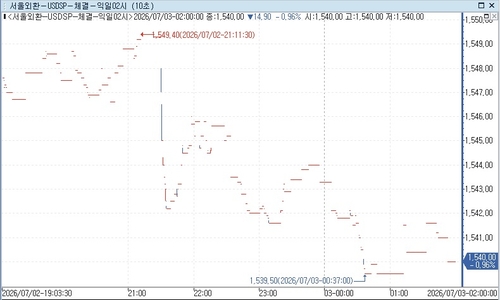
USD/KRW Extends Overnight Drop on Softer U.S. Jobs, Closes at 1,540.00 Won
USD/KRW widened its decline in overnight trading and closed at 1,540.00 won. The dollar lost momentum after U.S. employment data came in below expectations, while demand for the Korean won improved. At 1,540 won per dollar, $1,000 equals 1.54 million won before fees and spreads. The next move depends on Fed rate expectations, foreign flows into Korean market
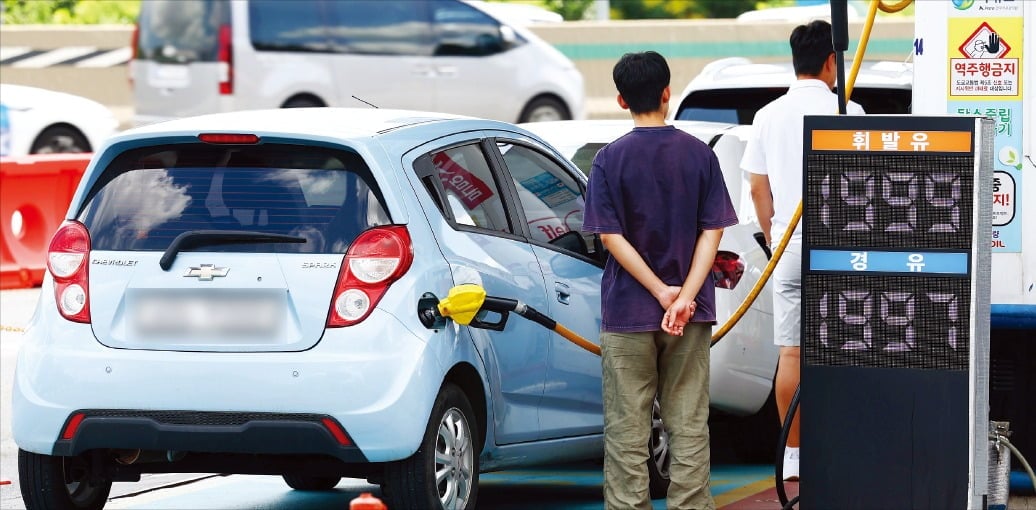
Consumer Inflation Tops 3% Again as Oil and Chipflation Raise Korean Living Costs
Consumer prices have exceeded 3% for a second month, shaking the path back to price stability. Oil is raising fuel and logistics costs, while chipflation is affecting electronics, autos and servers. Korea’s reliance on imported crude and key components makes won-based costs more sensitive. Persistent inflation could delay rate-cut expectations.