Chip boom meets a cold job market as Korea faces growth without broad hiring
Korea’s semiconductor industry has entered a powerful upcycle on AI server and high-bandwidth memory demand, yet the labor market remains cold. Capital spending is going into cleanrooms, tools, automation and software, while new hiring is concentrated in experienced and advanced technical roles. The gap between better won-denominated earnings and weak job cr

The semiconductor cycle has turned sharply upward, but Korea’s job market has not followed. Demand for AI server chips and high-bandwidth memory is lifting production plans and improving won-denominated earnings expectations, yet applicants still face narrow hiring gates. This is not a labor-intensive boom. It is a capital, equipment, automation and high-skill boom.
A narrower hiring channel
Chipmakers are putting priority on yield, efficiency and capacity quality rather than mass recruitment. Even when trillions of won are committed to a line, the money moves first into cleanrooms, EUV tools, testing systems, packaging equipment and power infrastructure. Hiring is centered on design, process engineering, equipment maintenance, quality control and data analysis. For entry-level applicants, the strongest signals are requirements for experience, advanced degrees and immediate field readiness.
The data pattern
The jobless recovery shows up in three ways. Investment units have become larger, but direct hiring is limited by automation. The mix of jobs has changed, with experienced engineers preferred over broad open recruitment. Regional spillovers are slower, even in hubs such as Pyeongtaek, Yongin, Icheon and Cheongju. A weaker won may help exporters’ reported earnings, but that does not instantly become domestic youth employment.
What it means
For Korean households, the key point is that a semiconductor boom does not automatically raise income across the economy. Young workers may spend longer preparing for jobs, while suppliers carry labor, electricity and compliance costs. Hiring is likely to recover later than chip earnings. The real test of the boom will be whether export strength turns into stable jobs.
Key points
- Korea’s semiconductor industry has entered a powerful upcycle on AI server and high-bandwidth memory demand, yet the labor market remains cold. Capital spending is going into cleanrooms, tools, automation and software, while new hiring is concentrated in experienced and advanced technical roles. The gap between better won-denominated earnings and weak job cr
- Use the body and FAQ context before acting on this update.
- Compare with related issues inside the category hub.
FAQ
Why is the job market cold during a semiconductor boom?
The current boom is driven by equipment, automation and high-skill engineering, so large investment does not immediately create broad entry-level hiring.
Which semiconductor jobs are more likely to grow?
Design, process engineering, yield management, equipment maintenance, quality control, data analysis and AI chip roles are better positioned.
How does this affect Korea’s economy?
Exports and won-denominated earnings may improve, but youth hiring and regional service jobs can lag, limiting household confidence.
Latest stories
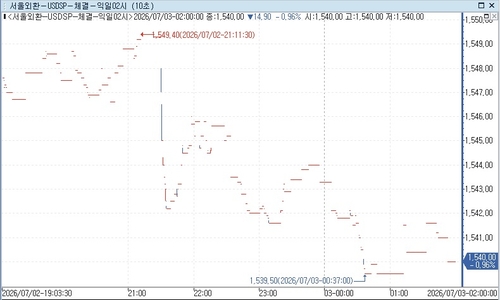
USD/KRW Extends Overnight Drop on Softer U.S. Jobs, Closes at 1,540.00 Won
USD/KRW widened its decline in overnight trading and closed at 1,540.00 won. The dollar lost momentum after U.S. employment data came in below expectations, while demand for the Korean won improved. At 1,540 won per dollar, $1,000 equals 1.54 million won before fees and spreads. The next move depends on Fed rate expectations, foreign flows into Korean market

Consumer Inflation Tops 3% Again as Oil and Chipflation Raise Korean Living Costs
Consumer prices have exceeded 3% for a second month, shaking the path back to price stability. Oil is raising fuel and logistics costs, while chipflation is affecting electronics, autos and servers. Korea’s reliance on imported crude and key components makes won-based costs more sensitive. Persistent inflation could delay rate-cut expectations.

South Korea Moves Jointly to End Salt-Farm Labor Exploitation and Strengthen Sea Salt Supply Trust
South Korea is shifting salt-farm labor protection into a joint field response by the labor and oceans ministries. The effort targets wage arrears, excessive hours, suspected coercion, restricted movement, and weak safety and sanitation. For the domestic sea salt market, labor rights are becoming a supply-chain standard alongside price and quality.

Fed Market-Price Trust Test: Kevin Warsh’s Small-Fed FOMC Signal
The small-Fed debate is not simply about cutting rates sooner. It asks whether the Fed can use market prices as evidence after years of shaping those same prices. The issue runs through the two-year Treasury yield, the dollar, inflation expectations and Korea’s FX, bond and equity markets.

US June Job Growth Slows to 57,000 as Unemployment Holds at 4.2%
US employment growth slowed sharply in June, with payrolls rising by 57,000. The unemployment rate was 4.2%, pointing to a cooling but not collapsing labor market. The data is a key signal for Fed rates, the dollar, the won and Korean financial markets.
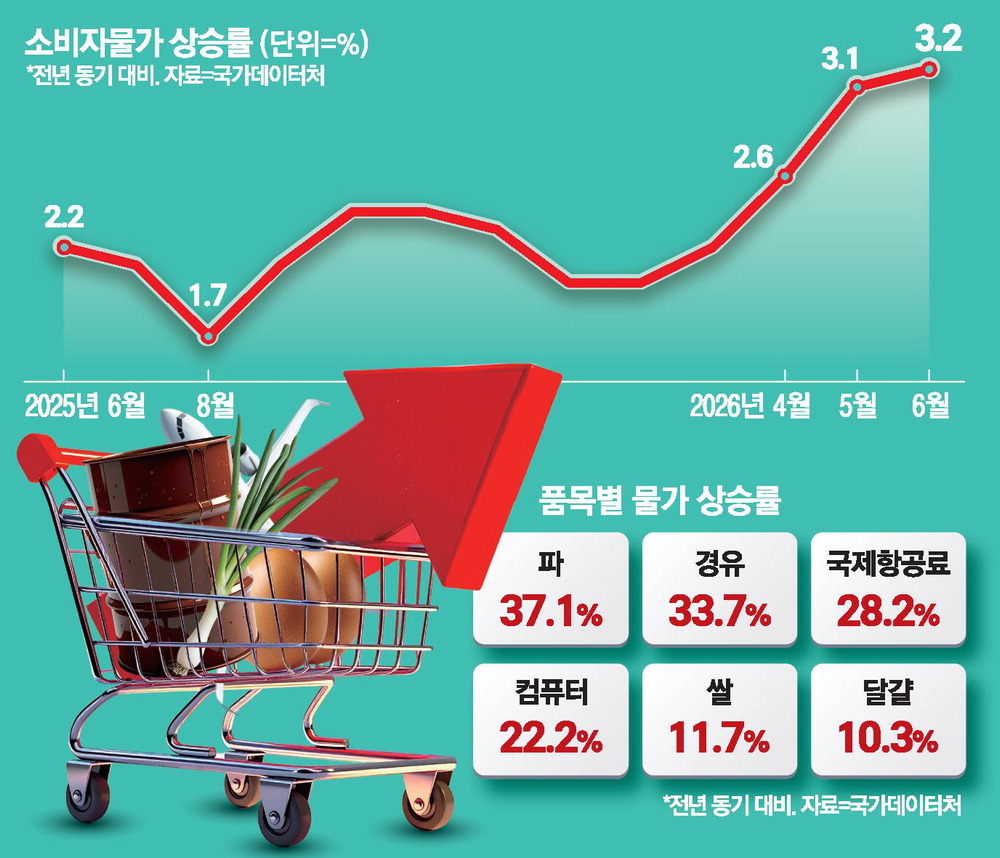
Consumer Prices Jump 3.2% as Middle East War Drives Oil Shock
Consumer prices climbed 3.2% last month, marking the largest increase in 30 months. The main driver was a sharp rise in global oil prices after the Middle East war. Petroleum prices posted their strongest rise in 47 months, while agricultural goods and daily living costs also increased. Inflation will depend heavily on oil and exchange-rate trends.
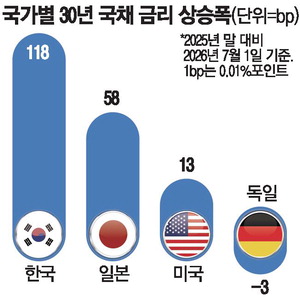
Korean government bond yields lead major-market rise as BOK hike bets return
Korean government bond yields have risen faster than U.S. and Japanese peers this year, making Korea the standout mover among major bond markets. Inflation pressure and stronger growth expectations have pushed investors to price in renewed Bank of Korea tightening risk. Higher sovereign yields can feed into bank bonds, corporate debt, mortgages and currency

KEAD Expands Mobile Job Counseling for Disabled Job Seekers at 26 Sites Nationwide
The Korea Employment Agency for Persons with Disabilities is operating mobile counseling services at 26 sites nationwide. The program reduces travel barriers for disabled job seekers and brings employment counseling closer to their communities. It aims to narrow regional service gaps and expand participation in the labor market.