AI Boom and Chip Recovery Cast a Shadow Over Youth Jobs as Legal Clerks Decline for 13 Months
The AI boom and semiconductor recovery are raising hopes for Korea’s economy, but the benefits are not reaching young job seekers evenly. Legal clerk positions have declined for 13 months in a row, highlighting automation pressure on office work. Hiring is shifting toward technology and production roles, while entry-level paths are narrowing.

The AI boom and the recovery in semiconductors are strengthening expectations for Korea’s economy, but youth employment has yet to show a clear recovery. The 13-month decline in legal clerk jobs shows that the labor market is facing more than a cyclical slowdown. It points to a structural reshaping of work. Generative AI and automation are taking over entry-level office tasks such as document review, filing, search, and draft preparation, narrowing traditional first-job routes for young workers.
Growth Without Broad Hiring
AI infrastructure spending and stronger semiconductor demand are lifting prospects for exports, corporate earnings, and capital investment. Yet the employment effect is uneven. Demand linked to AI servers, high-bandwidth memory, and data centers first benefits engineers, R&D staff, and skilled production workers. Jobs built around documents, including legal, accounting, and general clerical roles, face efficiency pressure before they see hiring growth.
This is where youth employment weakness becomes sharper. Young workers need time to build skills, but companies facing cost pressure and uncertainty prefer experienced employees who can contribute immediately. When new graduate hiring shrinks and selective internships or contract hiring expand, entry into the labor market is delayed.
What the 13-Month Drop Means
The decline in legal clerks is a clear example of how AI affects white-collar work. Legal clerks handle complaints, contracts, precedents, and evidence files. Professional service firms and companies are adopting search AI, document summarization tools, and automated templates to reduce repetitive work. These tools do not immediately replace senior professionals, but they first reduce demand for support staff and junior office roles.
A 13-month decline is difficult to dismiss as a short adjustment. More than a year of movement in the same direction suggests that hiring standards and task allocation have already changed. For young workers, basic office skills are no longer enough. Competitiveness increasingly requires document ability combined with data handling, AI tool use, and understanding of industry rules.
Outlook for Korea
Korean employers make hiring decisions while weighing won-denominated labor costs, minimum wage increases, working-hour rules, privacy obligations, and labor regulations. Even when growth signals improve, companies are more likely to invest in software and automation before increasing fixed payroll costs. This explains why AI and semiconductor momentum can lift growth expectations while youth job conditions recover slowly.
The key question is whether AI investment creates enough new roles and whether education and training systems adapt quickly. Semiconductor and AI-related jobs may expand, but the first gains will go to workers with relevant skills. The 13-month fall in legal clerk jobs shows that youth employment policy must move beyond simple hiring subsidies toward retraining for AI-era work and support for early career formation.
Key points
- The AI boom and semiconductor recovery are raising hopes for Korea’s economy, but the benefits are not reaching young job seekers evenly. Legal clerk positions have declined for 13 months in a row, highlighting automation pressure on office work. Hiring is shifting toward technology and production roles, while entry-level paths are narrowing.
- Use the body and FAQ context before acting on this update.
- Compare with related issues inside the category hub.
FAQ
Why can the AI boom hurt youth employment?
AI raises growth expectations but automates repetitive office tasks, reducing demand for entry-level clerical and support roles.
How long have legal clerk jobs been declining?
Legal clerk jobs have declined for 13 consecutive months, signaling pressure on document-based office work.
What skills should young workers build?
They need AI tool use, data handling, industry rule awareness, and practical job experience in addition to basic writing skills.
Latest stories
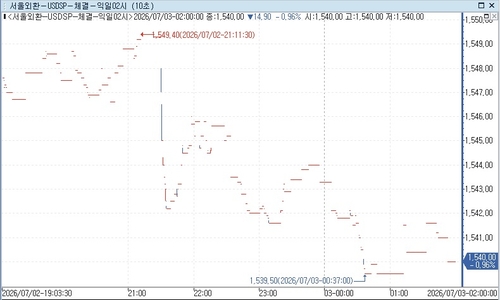
USD/KRW Extends Overnight Drop on Softer U.S. Jobs, Closes at 1,540.00 Won
USD/KRW widened its decline in overnight trading and closed at 1,540.00 won. The dollar lost momentum after U.S. employment data came in below expectations, while demand for the Korean won improved. At 1,540 won per dollar, $1,000 equals 1.54 million won before fees and spreads. The next move depends on Fed rate expectations, foreign flows into Korean market

Consumer Inflation Tops 3% Again as Oil and Chipflation Raise Korean Living Costs
Consumer prices have exceeded 3% for a second month, shaking the path back to price stability. Oil is raising fuel and logistics costs, while chipflation is affecting electronics, autos and servers. Korea’s reliance on imported crude and key components makes won-based costs more sensitive. Persistent inflation could delay rate-cut expectations.

South Korea Moves Jointly to End Salt-Farm Labor Exploitation and Strengthen Sea Salt Supply Trust
South Korea is shifting salt-farm labor protection into a joint field response by the labor and oceans ministries. The effort targets wage arrears, excessive hours, suspected coercion, restricted movement, and weak safety and sanitation. For the domestic sea salt market, labor rights are becoming a supply-chain standard alongside price and quality.

Fed Market-Price Trust Test: Kevin Warsh’s Small-Fed FOMC Signal
The small-Fed debate is not simply about cutting rates sooner. It asks whether the Fed can use market prices as evidence after years of shaping those same prices. The issue runs through the two-year Treasury yield, the dollar, inflation expectations and Korea’s FX, bond and equity markets.

US June Job Growth Slows to 57,000 as Unemployment Holds at 4.2%
US employment growth slowed sharply in June, with payrolls rising by 57,000. The unemployment rate was 4.2%, pointing to a cooling but not collapsing labor market. The data is a key signal for Fed rates, the dollar, the won and Korean financial markets.
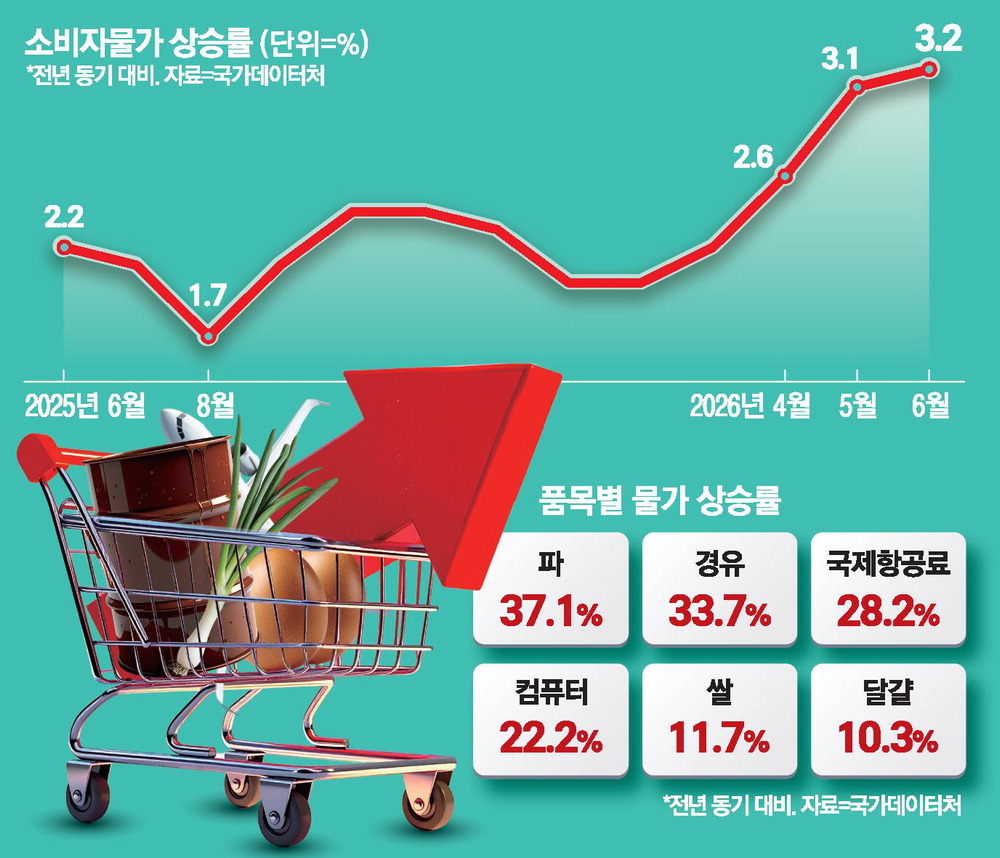
Consumer Prices Jump 3.2% as Middle East War Drives Oil Shock
Consumer prices climbed 3.2% last month, marking the largest increase in 30 months. The main driver was a sharp rise in global oil prices after the Middle East war. Petroleum prices posted their strongest rise in 47 months, while agricultural goods and daily living costs also increased. Inflation will depend heavily on oil and exchange-rate trends.
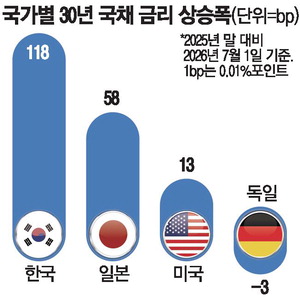
Korean government bond yields lead major-market rise as BOK hike bets return
Korean government bond yields have risen faster than U.S. and Japanese peers this year, making Korea the standout mover among major bond markets. Inflation pressure and stronger growth expectations have pushed investors to price in renewed Bank of Korea tightening risk. Higher sovereign yields can feed into bank bonds, corporate debt, mortgages and currency

KEAD Expands Mobile Job Counseling for Disabled Job Seekers at 26 Sites Nationwide
The Korea Employment Agency for Persons with Disabilities is operating mobile counseling services at 26 sites nationwide. The program reduces travel barriers for disabled job seekers and brings employment counseling closer to their communities. It aims to narrow regional service gaps and expand participation in the labor market.