Ottogi to Raise Prices on 29 Curry, Ketchup, Glass Noodle Items From July 16
Ottogi is set to raise prices on 29 products from July 16, covering curry, glass noodles, ketchup and pepper. The key increases are 6.1% for curry, 10% for glass noodles and 17% for pepper. Higher raw material and packaging costs are driving the move. The increase is likely to add pressure to household food spending and restaurant ingredient costs.
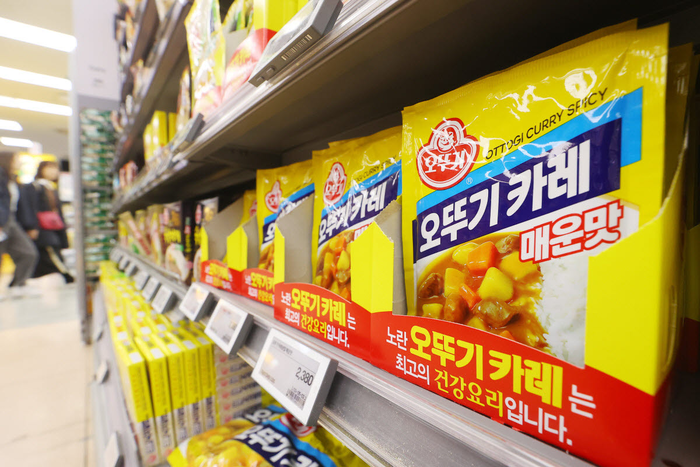
Ottogi will begin raising prices on 29 food products from July 16, with the changes applied gradually across retail channels. The list includes everyday items such as curry, glass noodles, ketchup and pepper, making the move directly relevant to household grocery bills in Korea.
Everyday Food Items Affected
Curry products will rise by an average of 6.1%, glass noodles by 10% and pepper by 17%. Ketchup is also included in the price adjustment. The new prices will appear at large retailers, supermarkets, convenience stores and online malls at different times depending on contracts and inventory.
For shoppers, prices may not change everywhere on the same day. Stores with older stock may sell at previous prices for a short period, while newly supplied items are expected to reflect the higher prices.
Cost Pressure Behind the Move
The main driver is the rise in raw material and packaging costs. Curry and sauces rely on spices, starches, oils and tomato-based ingredients, while glass noodles are tied to starch prices. Pepper is also sensitive to import costs, exchange rates and logistics expenses.
Packaging materials and delivery costs add further pressure. As these costs accumulate, food makers have less room to absorb them without adjusting retail prices.
Impact on Households and Restaurants
Curry, ketchup, glass noodles and pepper are widely used in home cooking, school meals, snack shops and restaurants. Even modest item-level increases can add up because these products are bought repeatedly. Restaurants and small food businesses may also face higher ingredient costs.
Consumers are expected to compare brands, buy larger packs or use online discounts to limit the impact. If raw material, currency and logistics pressures continue, processed food prices in Korea may remain sensitive in the second half of the year.
Key points
- Ottogi is set to raise prices on 29 products from July 16, covering curry, glass noodles, ketchup and pepper. The key increases are 6.1% for curry, 10% for glass noodles and 17% for pepper. Higher raw material and packaging costs are driving the move. The increase is likely to add pressure to household food spending and restaurant ingredient costs.
- Use the body and FAQ context before acting on this update.
- Compare with related issues inside the category hub.
FAQ
When will Ottogi raise prices?
The price increases begin on July 16 and will be reflected gradually by retail channel.
Which products are affected?
The adjustment covers 29 items, including curry, glass noodles, ketchup and pepper.
Why are prices rising?
The increase is driven by higher raw material, packaging and related production costs.
Latest stories
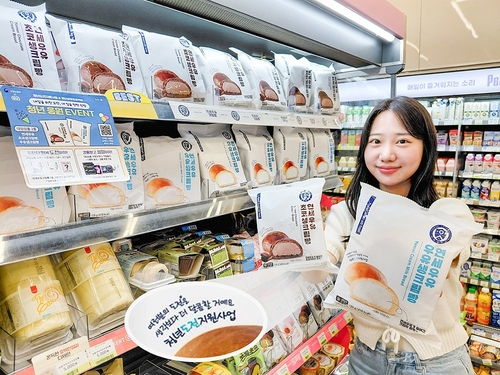
CU and Labor Ministry Launch Youth Support Campaign With Yonsei Milk Cream Bread
CU is working with the Ministry of Employment and Labor on a campaign that supports young people’s challenges and growth. The campaign uses Yonsei Milk Cream Bread as the main product touchpoint. By linking a public message with a familiar convenience store dessert, the project brings youth policy communication closer to everyday consumers.
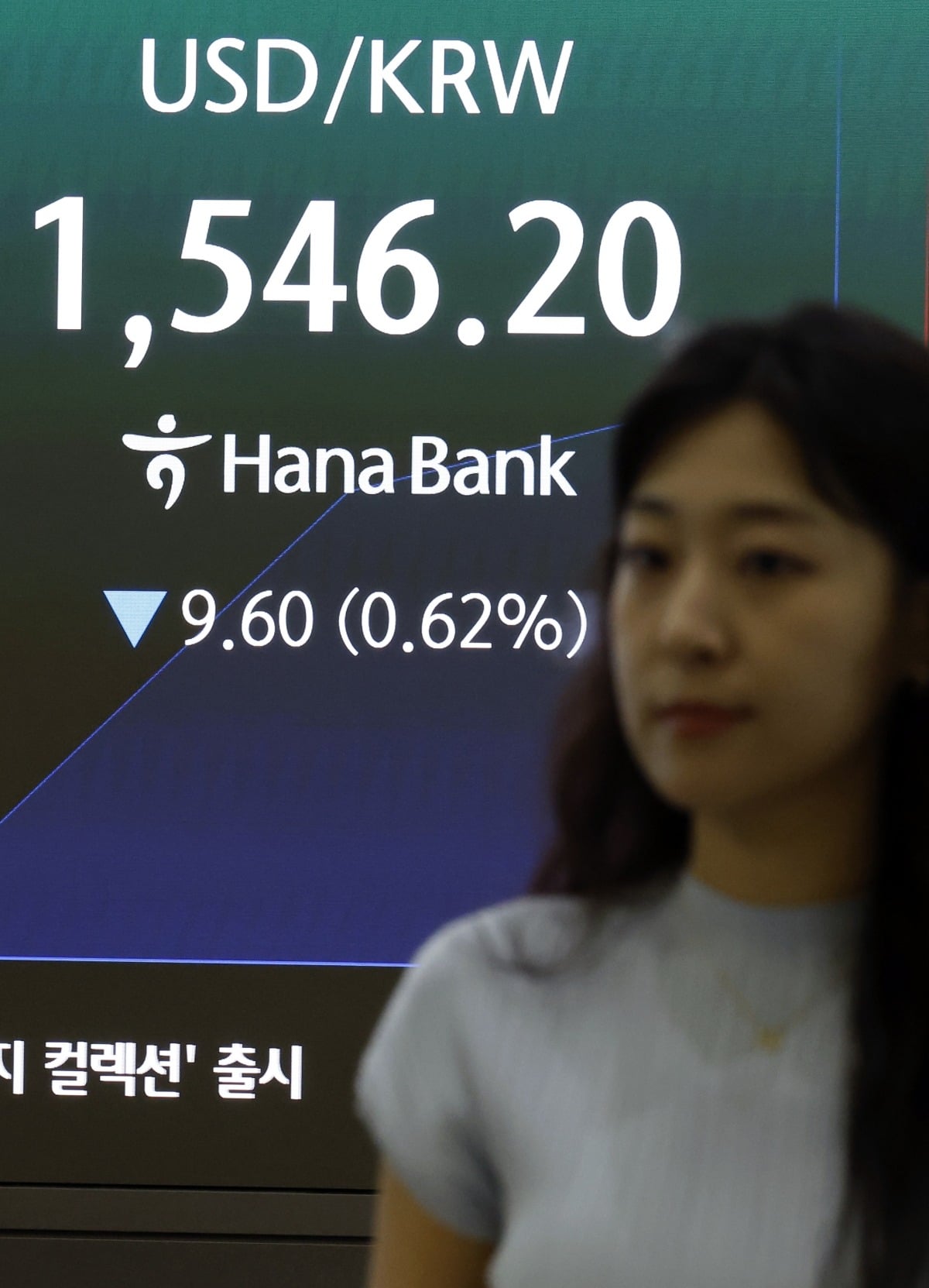
Weak U.S. Jobs Data Lowers Rate-Hike Bets as Won-Dollar Opens at 1,544.5
Soft U.S. employment data pushed investors to scale back expectations for additional rate hikes. The won-dollar exchange rate opened at 1,544.5. While lower rate pressure may cool dollar strength, growth concerns can still increase demand for safety and keep the won volatile.
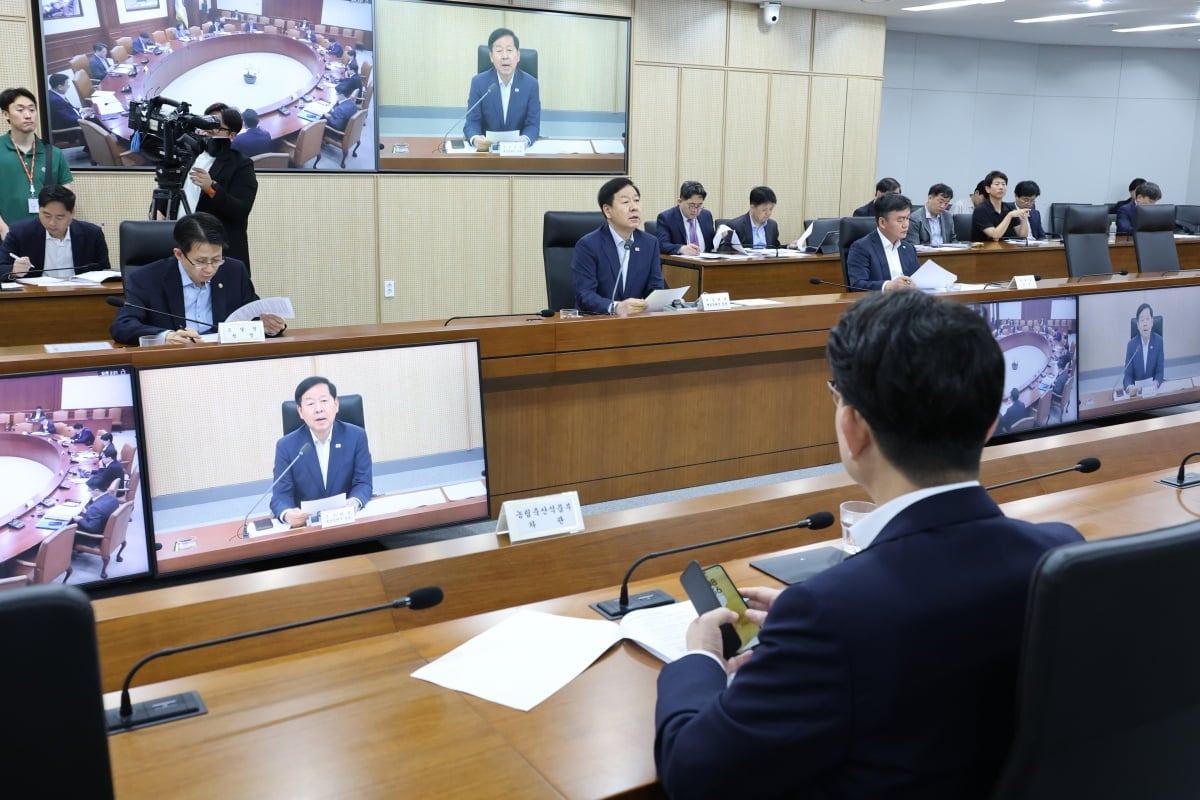
Ultra-Low-Rate Win-Win Loans Added as FX Insurance Opens to Importers
Ultra-low-rate win-win loans are being introduced, while exchange fluctuation insurance will cover all importers except luxury goods companies. The package targets firms squeezed by a weak won and high borrowing costs. Importers of raw materials, intermediate goods and essential consumer items are expected to gain more stable cash flow.

Chip Selloff Weakens Nasdaq as Slower Jobs Growth Lifts Dow to Record
Wall Street split between weak chip shares and easing rate pressure. Micron dropped about 5% and SanDisk about 14%, weighing on the Nasdaq. Slower June job growth reduced concerns over further rate hikes and supported a record high in the Dow. Korean investors should watch memory stocks, the won-dollar rate and foreign flows.
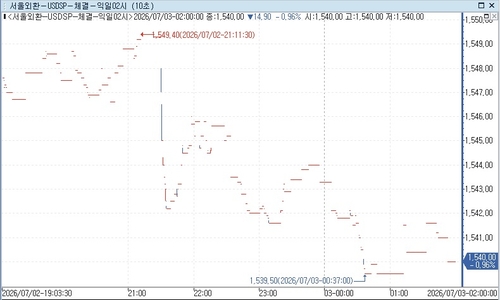
USD/KRW Extends Overnight Drop on Softer U.S. Jobs, Closes at 1,540.00 Won
USD/KRW widened its decline in overnight trading and closed at 1,540.00 won. The dollar lost momentum after U.S. employment data came in below expectations, while demand for the Korean won improved. At 1,540 won per dollar, $1,000 equals 1.54 million won before fees and spreads. The next move depends on Fed rate expectations, foreign flows into Korean market

Consumer Inflation Tops 3% Again as Oil and Chipflation Raise Korean Living Costs
Consumer prices have exceeded 3% for a second month, shaking the path back to price stability. Oil is raising fuel and logistics costs, while chipflation is affecting electronics, autos and servers. Korea’s reliance on imported crude and key components makes won-based costs more sensitive. Persistent inflation could delay rate-cut expectations.

South Korea Moves Jointly to End Salt-Farm Labor Exploitation and Strengthen Sea Salt Supply Trust
South Korea is shifting salt-farm labor protection into a joint field response by the labor and oceans ministries. The effort targets wage arrears, excessive hours, suspected coercion, restricted movement, and weak safety and sanitation. For the domestic sea salt market, labor rights are becoming a supply-chain standard alongside price and quality.

Fed Market-Price Trust Test: Kevin Warsh’s Small-Fed FOMC Signal
The small-Fed debate is not simply about cutting rates sooner. It asks whether the Fed can use market prices as evidence after years of shaping those same prices. The issue runs through the two-year Treasury yield, the dollar, inflation expectations and Korea’s FX, bond and equity markets.