Galaxy Watch heat alerts bring work-stop rules to Samsung construction sites
Samsung Electronics is expanding Galaxy Watch into workplace safety by applying heat risk alerts at a semiconductor construction site. The system reflects Korea’s perceived-temperature work-stop guidance. Incheon National University and Samsung Medical Center helped validate the prediction algorithm.
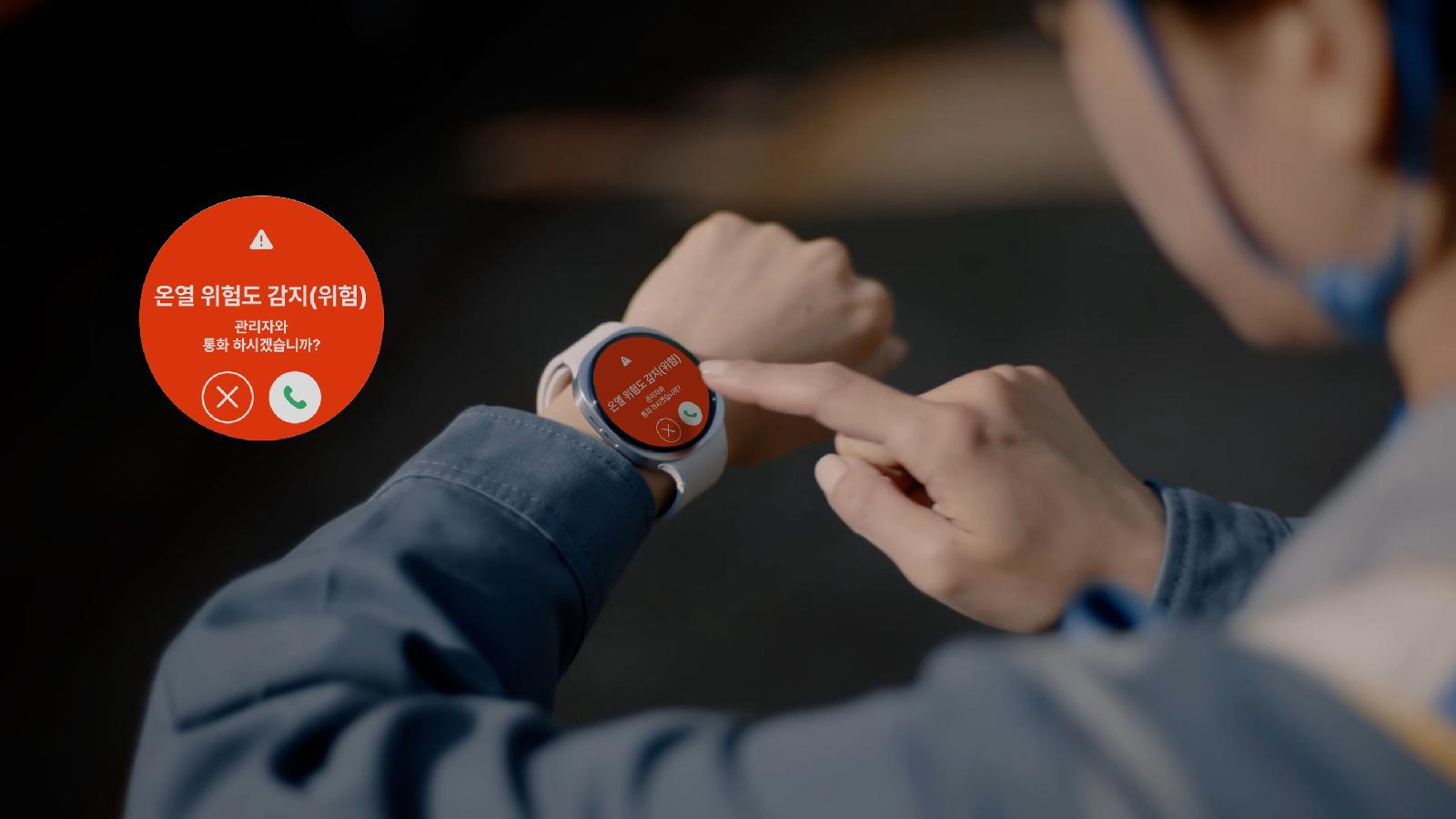
Galaxy Watch is moving from consumer health tracking into heat safety at industrial sites. Samsung Electronics will apply a Galaxy Watch-based heat risk alert system at the Pyeongtaek semiconductor production line construction site in cooperation with the Ministry of Employment and Labor. The system connects perceived-temperature risk levels with alerts on the worker’s wrist.
Work-stop guidance on the wrist
The alert model reflects the ministry’s heat response guide. On outdoor and large construction sites, perceived temperature is more important than air temperature alone because humidity, radiant heat and workload shape the actual risk. When the heat risk level rises, Galaxy Watch can notify workers, while site managers can adjust breaks, cooling, work hours and stoppages under the step-by-step standards.
Algorithm validation
Incheon National University and Samsung Medical Center participated in validating the prediction algorithm. That gives the project a stronger occupational health foundation beyond a simple wearable feature. The first application at Pyeongtaek matters because semiconductor construction schedules are tight and delays can create heavy won-denominated costs.
The system will not replace basic safety management. Rest, hydration, shaded areas and the authority to halt work remain essential. But wearable alerts can shorten the time between rising heat risk and field action, a practical advantage for construction, manufacturing, logistics and shipbuilding sites facing hotter Korean summers.
Key points
- Samsung Electronics is expanding Galaxy Watch into workplace safety by applying heat risk alerts at a semiconductor construction site. The system reflects Korea’s perceived-temperature work-stop guidance. Incheon National University and Samsung Medical Center helped validate the prediction algorithm.
- Use the body and FAQ context before acting on this update.
- Compare with related issues inside the category hub.
FAQ
Where will the Galaxy Watch heat alert system be used?
It will be used at the Pyeongtaek semiconductor production line construction site.
What standard does the alert system follow?
It reflects the ministry’s heat response guide and perceived-temperature-based work-stop criteria.
Who validated the prediction algorithm?
Incheon National University and Samsung Medical Center participated in the validation.
Latest stories
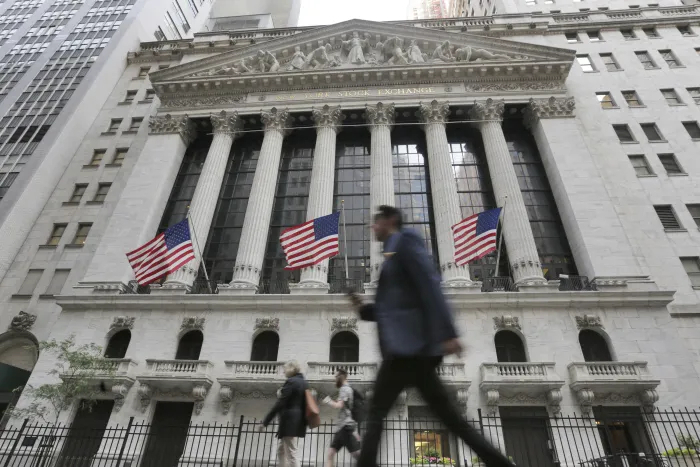
Chip Selloff Weakens Nasdaq as Slower Jobs Growth Lifts Dow to Record
Wall Street split between weak chip shares and easing rate pressure. Micron dropped about 5% and SanDisk about 14%, weighing on the Nasdaq. Slower June job growth reduced concerns over further rate hikes and supported a record high in the Dow. Korean investors should watch memory stocks, the won-dollar rate and foreign flows.
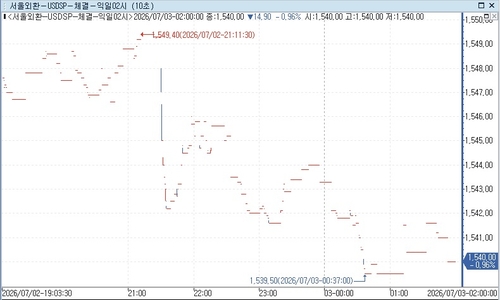
USD/KRW Extends Overnight Drop on Softer U.S. Jobs, Closes at 1,540.00 Won
USD/KRW widened its decline in overnight trading and closed at 1,540.00 won. The dollar lost momentum after U.S. employment data came in below expectations, while demand for the Korean won improved. At 1,540 won per dollar, $1,000 equals 1.54 million won before fees and spreads. The next move depends on Fed rate expectations, foreign flows into Korean market
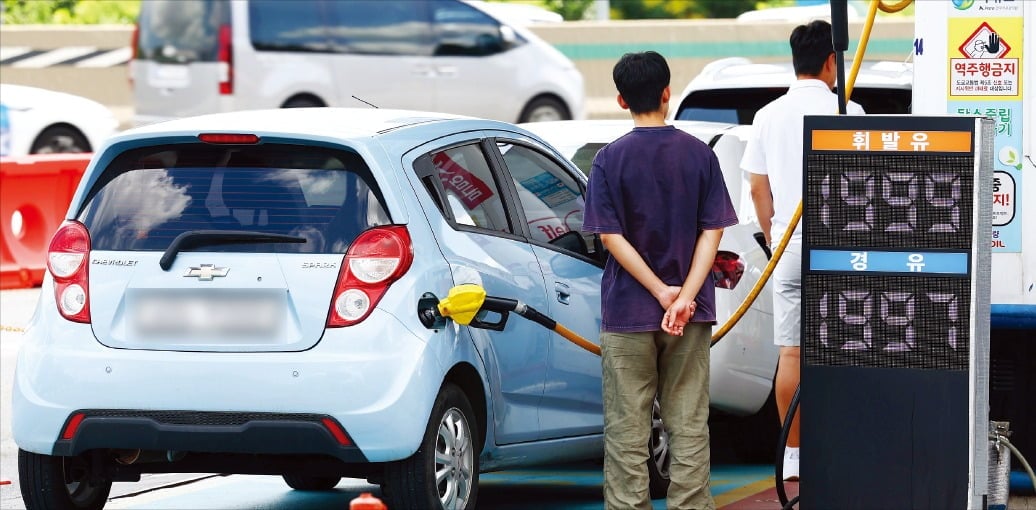
Consumer Inflation Tops 3% Again as Oil and Chipflation Raise Korean Living Costs
Consumer prices have exceeded 3% for a second month, shaking the path back to price stability. Oil is raising fuel and logistics costs, while chipflation is affecting electronics, autos and servers. Korea’s reliance on imported crude and key components makes won-based costs more sensitive. Persistent inflation could delay rate-cut expectations.

South Korea Moves Jointly to End Salt-Farm Labor Exploitation and Strengthen Sea Salt Supply Trust
South Korea is shifting salt-farm labor protection into a joint field response by the labor and oceans ministries. The effort targets wage arrears, excessive hours, suspected coercion, restricted movement, and weak safety and sanitation. For the domestic sea salt market, labor rights are becoming a supply-chain standard alongside price and quality.
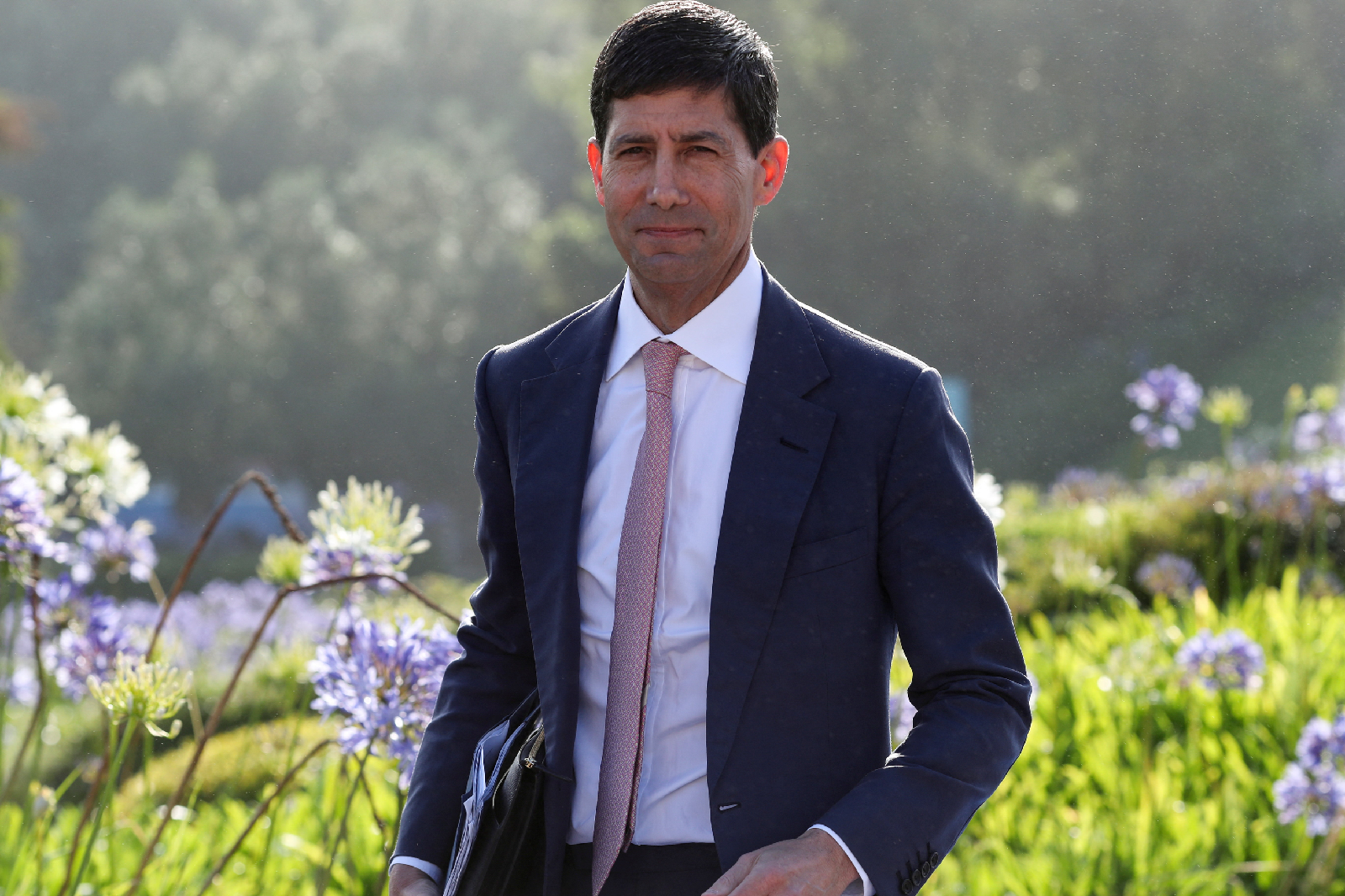
Fed Market-Price Trust Test: Kevin Warsh’s Small-Fed FOMC Signal
The small-Fed debate is not simply about cutting rates sooner. It asks whether the Fed can use market prices as evidence after years of shaping those same prices. The issue runs through the two-year Treasury yield, the dollar, inflation expectations and Korea’s FX, bond and equity markets.
US June Job Growth Slows to 57,000 as Unemployment Holds at 4.2%
US employment growth slowed sharply in June, with payrolls rising by 57,000. The unemployment rate was 4.2%, pointing to a cooling but not collapsing labor market. The data is a key signal for Fed rates, the dollar, the won and Korean financial markets.
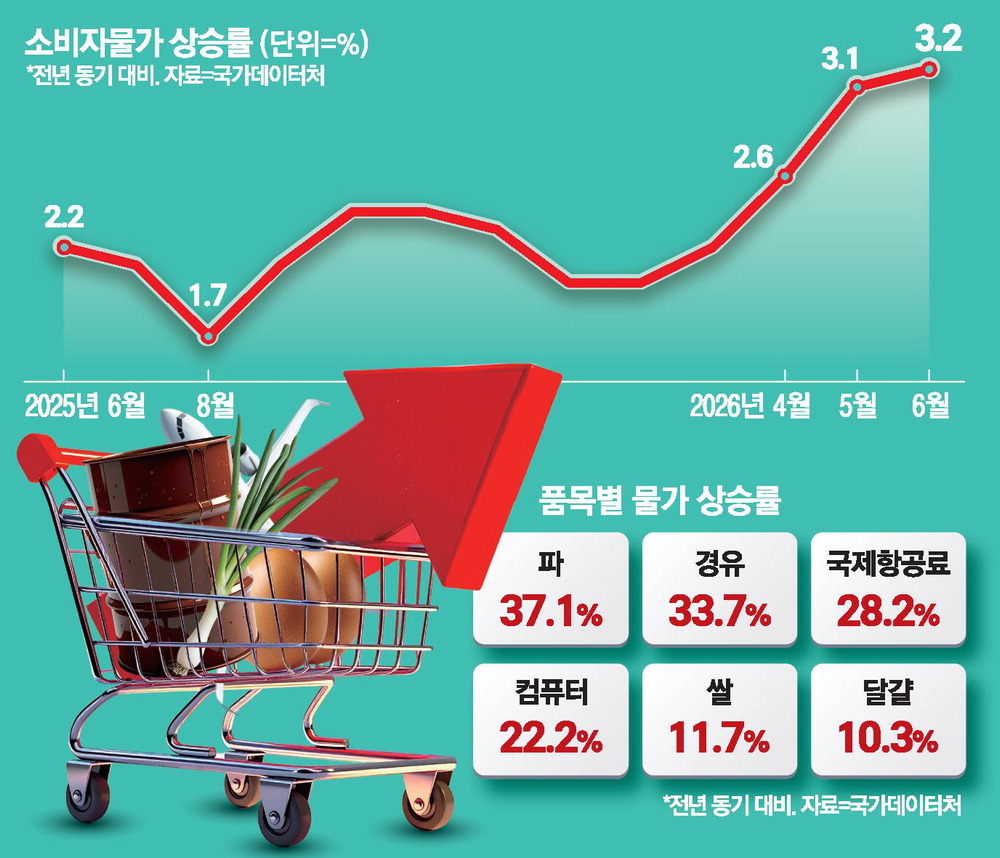
Consumer Prices Jump 3.2% as Middle East War Drives Oil Shock
Consumer prices climbed 3.2% last month, marking the largest increase in 30 months. The main driver was a sharp rise in global oil prices after the Middle East war. Petroleum prices posted their strongest rise in 47 months, while agricultural goods and daily living costs also increased. Inflation will depend heavily on oil and exchange-rate trends.
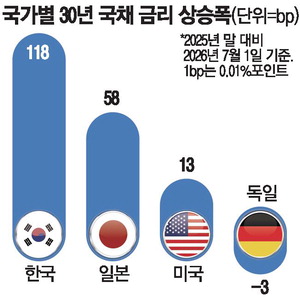
Korean government bond yields lead major-market rise as BOK hike bets return
Korean government bond yields have risen faster than U.S. and Japanese peers this year, making Korea the standout mover among major bond markets. Inflation pressure and stronger growth expectations have pushed investors to price in renewed Bank of Korea tightening risk. Higher sovereign yields can feed into bank bonds, corporate debt, mortgages and currency