KOSPO Wins Veterans Ministry Plaque for Stable Jobs for Veterans’ Families
Korea Southern Power was recognized for helping veterans’ families secure stable jobs and better living conditions. The company kept its mandatory hiring rate for eligible veterans above 9% for five straight years. Executive memorial visits and housing improvement projects were also counted as key social contribution achievements.
Partner picks
Relevant partner links for this story
A lightweight commerce block designed to add monetization without breaking reading flow.
Advertisement
This module may include affiliate links that earn a commission from qualifying purchases. 매크로시그널
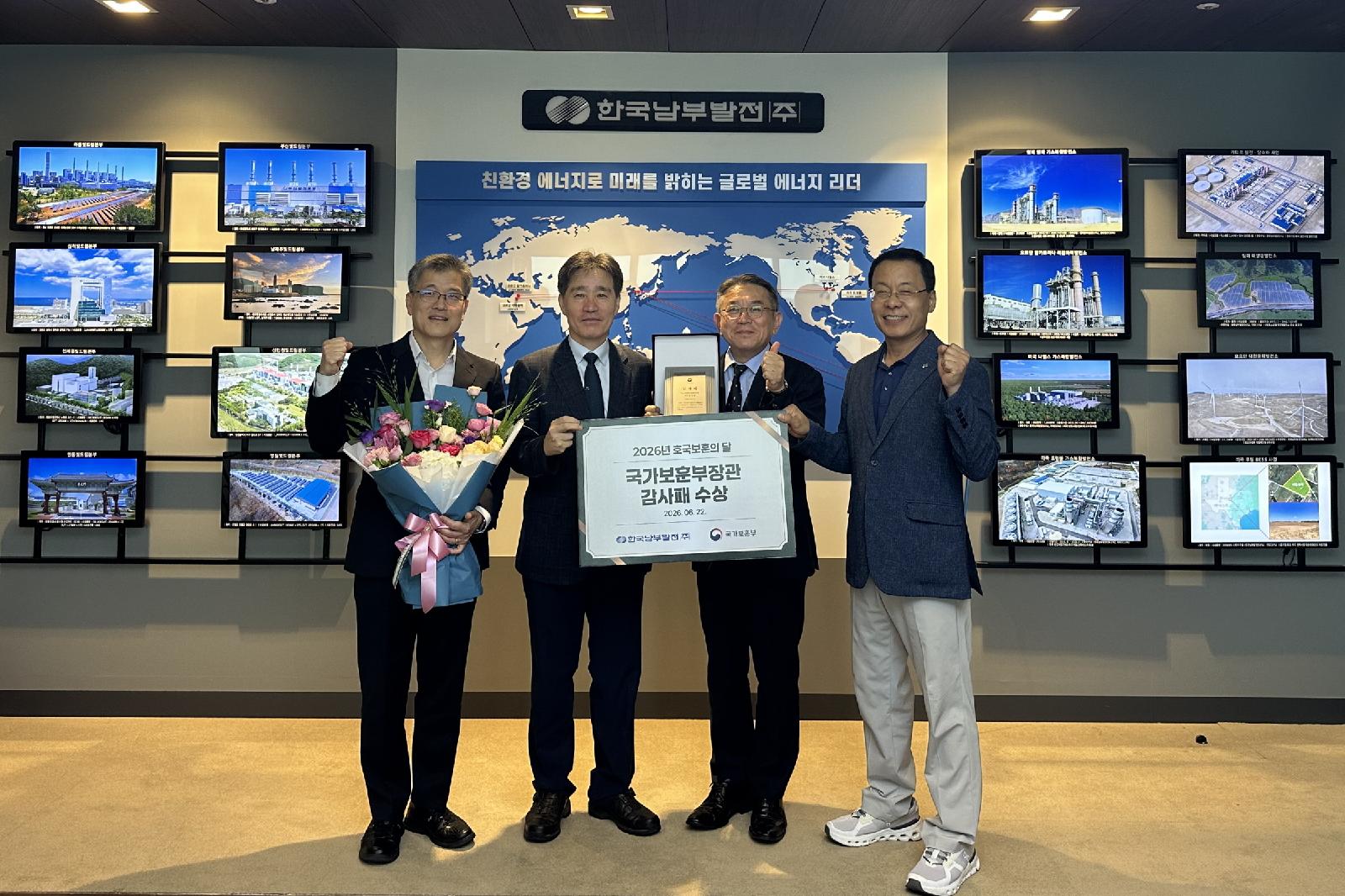
Korea Southern Power, or KOSPO, has received a plaque of appreciation from the Minister of Patriots and Veterans Affairs for its contribution to job stability and shared growth for veterans’ families. The honor reflects more than a one-time social program. It recognizes a sustained employment and welfare approach by a public energy company.
Stable Veterans Employment
KOSPO maintained its mandatory hiring rate for eligible veterans above 9% for the past five years. That figure shows long-term management of hiring opportunities for people who served the country and their families. In Korea’s public sector, veterans employment is both a legal obligation and a measure of social responsibility. Keeping the rate stable over several years signals that the policy has been embedded in the company’s human resources system.
The award also highlights the quality and continuity of employment. As an energy utility involved in power generation and safety management, KOSPO’s hiring practices influence the broader public-sector labor market. A stable model inside a major public company can encourage similar inclusion efforts across other public institutions and private employers.
Welfare and Community Support
The company’s leadership has continued patriotic memorial visits and housing environment improvement projects for veterans’ households. Memorial visits help keep national service visible inside corporate culture, while housing support directly improves daily living conditions. For older or vulnerable veterans’ families in Korea, repairs, safety upgrades and basic home improvements can have a practical welfare effect.
The case fits the domestic focus on ESG management, fair hiring and support for socially protected groups. For readers and market watchers, the key point is not the size of a donation but whether support produces durable employment and measurable improvements in living standards.
Outlook
The recognition is likely to reinforce expectations that public institutions manage veterans support as a long-term employment and welfare strategy. Compliance with hiring quotas will remain important, but job placement, retention support and linked welfare programs are expected to matter more. KOSPO’s case shows how veterans policy and public-sector ESG can strengthen both employment stability and community trust.
Partner picks
Relevant partner links for this story
A lightweight commerce block designed to add monetization without breaking reading flow.
Advertisement
This module may include affiliate links that earn a commission from qualifying purchases. 매크로시그널
Key points
- Korea Southern Power was recognized for helping veterans’ families secure stable jobs and better living conditions. The company kept its mandatory hiring rate for eligible veterans above 9% for five straight years. Executive memorial visits and housing improvement projects were also counted as key social contribution achievements.
- Use the body and FAQ context before acting on this update.
- Compare with related issues inside the category hub.
FAQ
Why did Korea Southern Power receive the plaque?
It was recognized for maintaining a mandatory veterans hiring rate above 9% for five years and supporting welfare projects such as housing improvements for veterans’ families.
Why is the 9% hiring rate important?
It shows stable job access for eligible veterans and demonstrates a public institution’s responsibility to inclusive employment.
What does this mean for Korea’s public sector?
It sets a practical benchmark for linking veterans employment, welfare support and community-focused ESG management.
Related stories
Alan Greenspan Dies at 100: 19-Year Fed Chair Who Shaped Global Markets
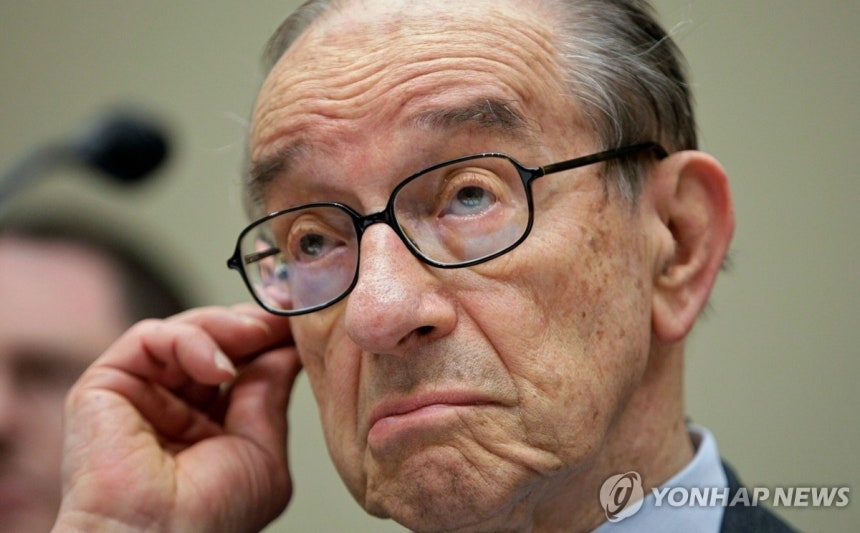
Alan Greenspan, former chair of the Federal Reserve, died on June 22 local time at 100. He led the Fed from 1987 to 2006 and became a defining central banker of the long U.S. expansion. His Greenspan put helped stabilize market psychology, while low-rate policies left a lasting debate over bubbles and leverage. For Korea, his era made Fed signals central to
Warsh Signals End of Fed Forward Guidance, Jolting U.S. Treasuries and Korean Markets
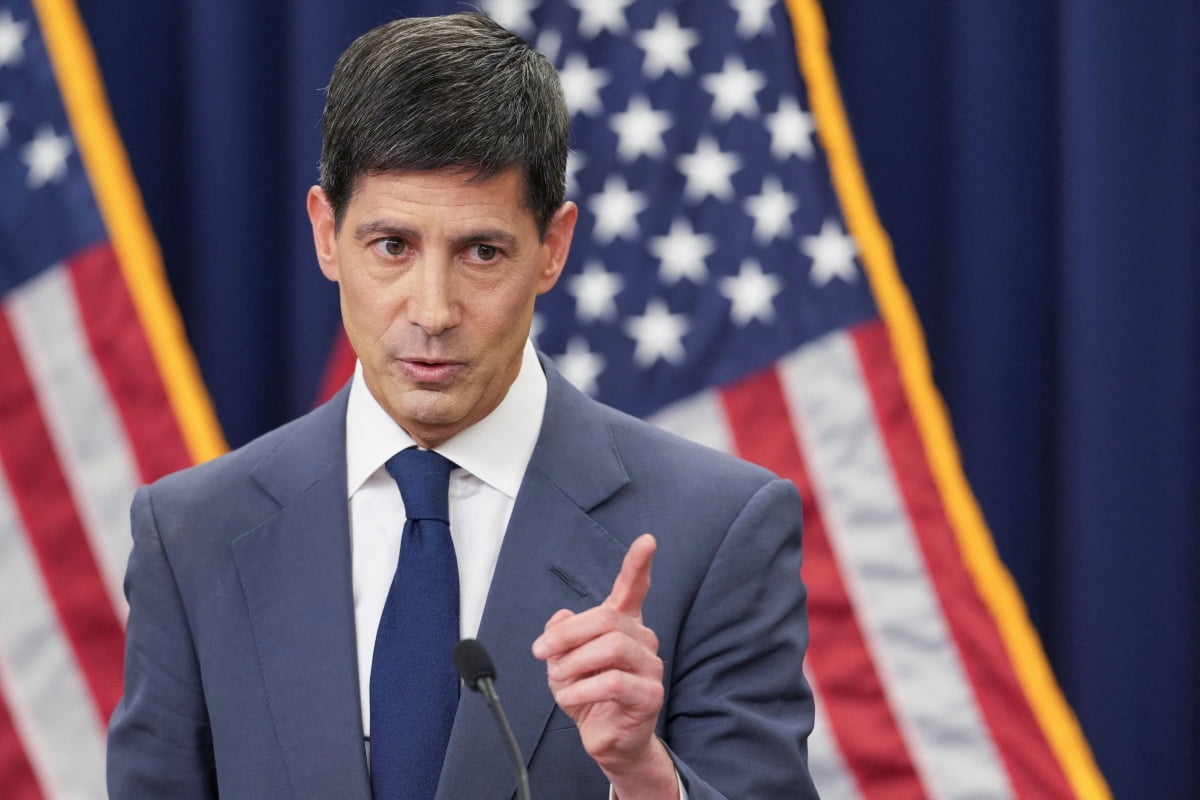
Kevin Warsh’s Fed is moving toward a less prescriptive communication regime. The 2% inflation target remains in place, but guidance on the future rate path is likely to weaken. U.S. Treasury volatility is rising, and Korea faces spillovers through exchange rates, foreign flows and corporate funding costs.
Warsh’s Fed Guidance Pullback Raises U.S. Borrowing-Cost Risk and Korea Market Watch
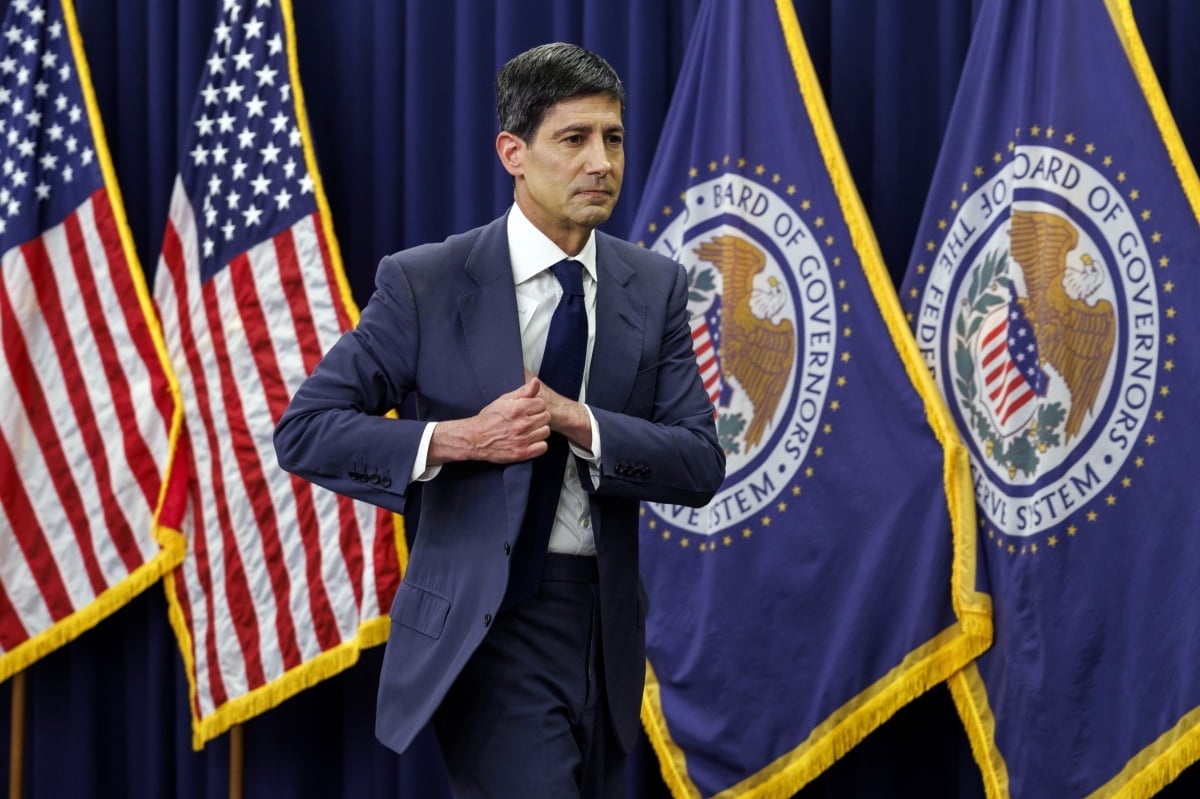
Warsh’s proposal would scale back the Fed’s habit of steering markets through detailed rate-path signals. Less guidance can increase uncertainty premiums in U.S. Treasuries and private credit. Korea faces spillovers through the won, dollar funding costs and bond-market flows.
Partner picks
Relevant partner links for this story
A lightweight commerce block designed to add monetization without breaking reading flow.
Advertisement
This module may include affiliate links that earn a commission from qualifying purchases. 매크로시그널