Altcoins Stay Weak as Rate Pressure Overrides Ceasefire Hopes
Altcoins have not produced a broad rebound even as geopolitical risk eases. Total crypto market value stands near $2.26 trillion, or about 3,452 trillion won, while Bitcoin dominance remains high at 56.6%. U.S. rates at 3.50%-3.75% and Korea’s 2.50% base rate are limiting rotation into smaller tokens.
Partner picks
Relevant partner links for this story
A lightweight commerce block designed to add monetization without breaking reading flow.
Good fit for Korea-based visitors ready to buy.
View offerWorks well for price-sensitive gadget and desk-tool traffic.
View offerUseful for books, work tools, and international shoppers.
View offerAdvertisement
This module may include affiliate links that earn a commission from qualifying purchases. 매크로시그널
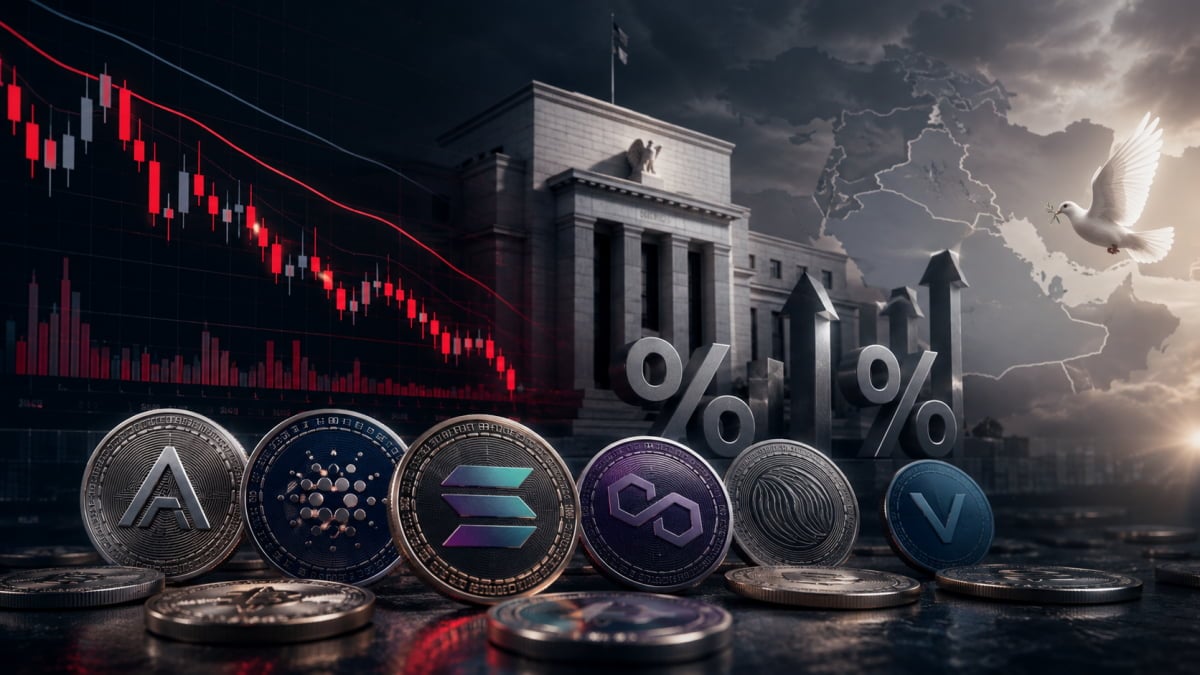
Altcoins are failing to build a sustained rebound despite a ceasefire phase. Lower war risk can normally widen appetite for risk assets, but this market is still led by defensive demand for Bitcoin and by the drag from interest rates. As of the morning of June 22, 2026, total crypto market capitalization is about $2.26 trillion, roughly 3,452 trillion won. Capital is staying with Bitcoin and a few large tokens rather than rotating into smaller and less liquid altcoins.
Rates Outweigh Ceasefire Relief
The main obstacle is the rate backdrop. The U.S. federal funds target range is 3.50%-3.75%, and Korea’s base rate is 2.50%. With cash-like assets still offering meaningful yield, investors require stronger proof before taking risk in thinly traded tokens. High rates reduce the present value of future growth stories, which hurts projects with weak revenue, low usage or untested token economics.
What the Numbers Show
Bitcoin dominance is 56.6%, far above half of the total market, while Ethereum’s share is about 9.7%. Daily crypto trading value is near $47.9 billion, or about 73 trillion won, but activity is concentrated in large assets. The market lists 18,616 active cryptocurrencies across 1,315 markets, yet a large menu does not guarantee new inflows. In this environment, fundamentals matter more than themes.
Impact for Korean Investors
For Korean won traders, exchange-rate effects and local regulation add another layer of risk. The total market looks large in won terms, but many altcoins still face shallow order books and sharp price gaps. Stronger monitoring, listing reviews and disclosure expectations in Korea also weigh on short-term speculative tokens. A durable altcoin recovery needs lower-rate expectations, falling Bitcoin dominance and broader turnover into mid- and small-cap coins.
Partner picks
Relevant partner links for this story
A lightweight commerce block designed to add monetization without breaking reading flow.
Good fit for Korea-based visitors ready to buy.
View offerWorks well for price-sensitive gadget and desk-tool traffic.
View offerUseful for books, work tools, and international shoppers.
View offerAdvertisement
This module may include affiliate links that earn a commission from qualifying purchases. 매크로시그널
Key points
- Altcoins have not produced a broad rebound even as geopolitical risk eases. Total crypto market value stands near $2.26 trillion, or about 3,452 trillion won, while Bitcoin dominance remains high at 56.6%. U.S. rates at 3.50%-3.75% and Korea’s 2.50% base rate are limiting rotation into smaller tokens.
- Use the body and FAQ context before acting on this update.
- Compare with related issues inside the category hub.
FAQ
Why are altcoins not rallying despite ceasefire hopes?
Rate pressure and defensive flows into Bitcoin are outweighing the relief from lower geopolitical risk.
What does 56.6% Bitcoin dominance mean?
It means Bitcoin accounts for well over half of total crypto market value, showing that capital has not broadly rotated into altcoins.
What should Korean investors watch?
They should monitor U.S. rate expectations, the won-dollar exchange rate, Bitcoin dominance and local exchange listing reviews.
Related stories
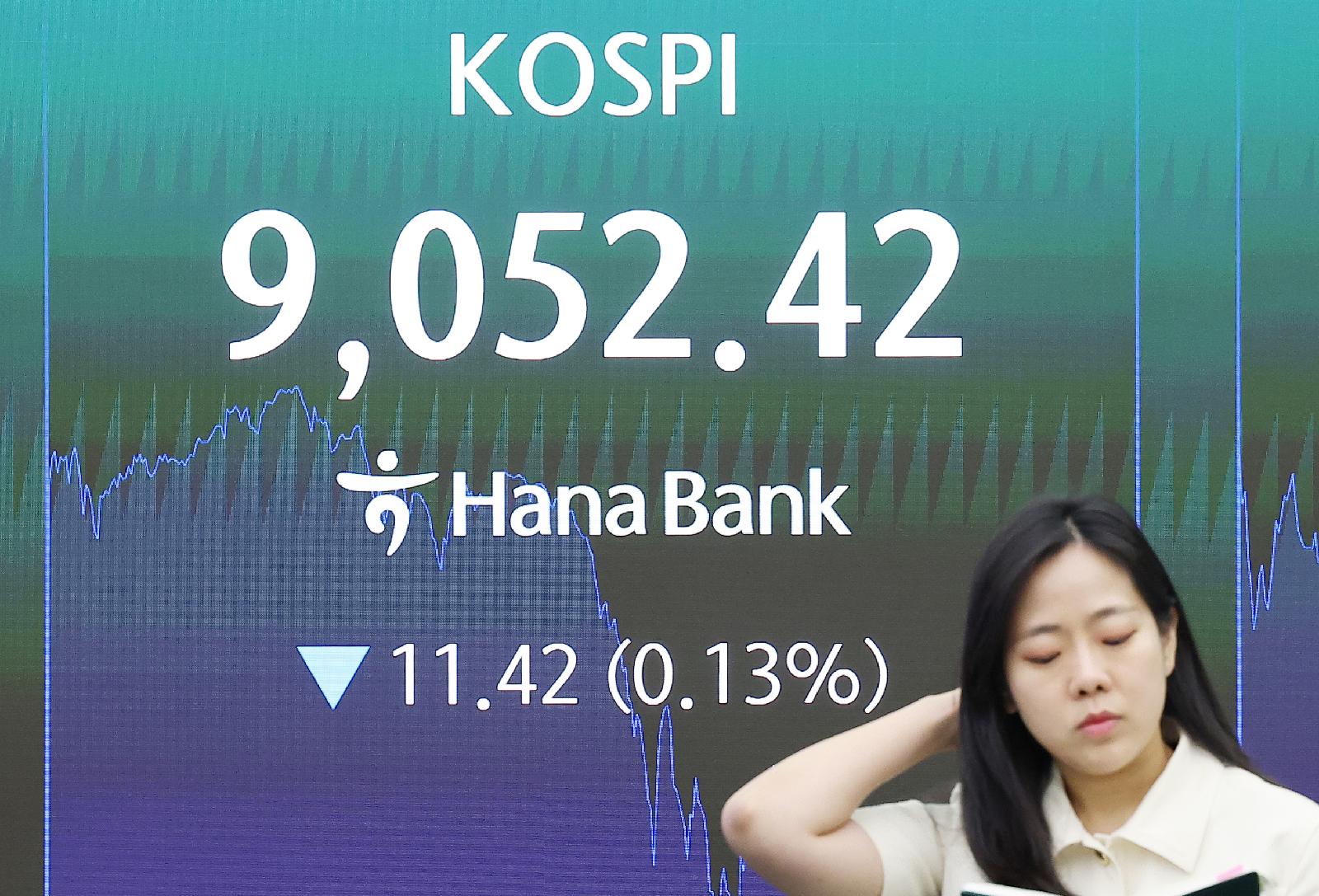
KOSPI Breaks 9,000 for the First Time as Micron Earnings and U.S. PCE Set the Next Test
The KOSPI has entered a new range after touching 9,000 for the first time. This week’s key catalysts are Micron’s earnings and the U.S. May PCE price index. Strong memory-chip signals could support further gains, while sticky inflation would pressure rates, the dollar and Korean growth stocks.
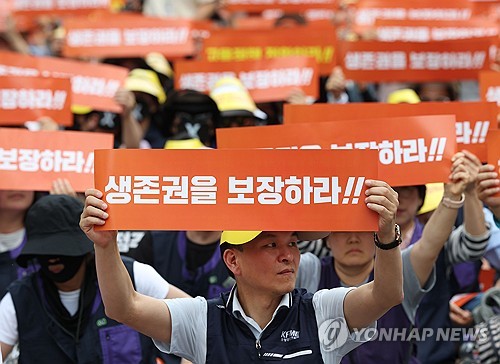
Small Business Minimum Wage Burden Deepens as 38% Cut Hiring
Most small business owners view the current 10,320 won minimum wage as a major cost burden. More than eight in ten feel pressure, and 38% have reduced employment. Labor costs are shaping hiring, pricing, hours, and automation decisions.

Eggs at 5,200 Won for 10 Signal Mounting Pressure on Korean Grocery Prices
The price of 10 eggs has risen to around 5,200 won, intensifying pressure on household food budgets. Eggs are a basic ingredient used in homes, school meals, restaurants, bakeries, and quick meals. The increase is not just about one item; it raises the visible cost of everyday eating. Consumers are expected to seek discounts and substitutes more actively.
Partner picks
Relevant partner links for this story
A lightweight commerce block designed to add monetization without breaking reading flow.
Good fit for Korea-based visitors ready to buy.
View offerWorks well for price-sensitive gadget and desk-tool traffic.
View offerUseful for books, work tools, and international shoppers.
View offerAdvertisement
This module may include affiliate links that earn a commission from qualifying purchases. 매크로시그널