Small Business Minimum Wage Burden Deepens as 38% Cut Hiring
Most small business owners view the current 10,320 won minimum wage as a major cost burden. More than eight in ten feel pressure, and 38% have reduced employment. Labor costs are shaping hiring, pricing, hours, and automation decisions.
Partner picks
Relevant partner links for this story
A lightweight commerce block designed to add monetization without breaking reading flow.
Good fit for Korea-based visitors ready to buy.
View offerWorks well for price-sensitive gadget and desk-tool traffic.
View offerUseful for books, work tools, and international shoppers.
View offerAdvertisement
This module may include affiliate links that earn a commission from qualifying purchases. 매크로시그널
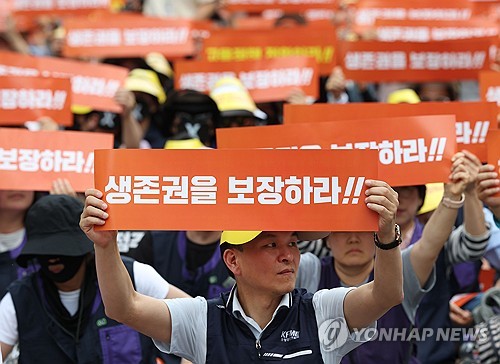
The hourly minimum wage of 10,320 won has become a decisive cost factor for small businesses in Korea. More than eight in ten owners say the current level is a heavy burden, and 38% have already reduced employment. The pressure is no longer just a sentiment issue. It is changing staffing plans, store hours, family labor use, hiring decisions, and price reviews.
Labor Costs Outpace Sales Recovery
For small merchants, payroll sits beside rent and materials as one of the largest fixed costs. Restaurants, cafes, convenience stores, lodging businesses, and local services are especially exposed because they rely heavily on hourly labor and long operating hours. Once social insurance, paid weekly rest, night pay, and holiday pay are included, the real cost of one worker rises above the base wage. When sales are stagnant, that cost directly compresses margins.
Job Cuts Signal Defensive Management
The 38% employment reduction figure shows how defensive Korea’s self-employed sector has become. When demand weakens, owners often shorten operating hours first and reduce staff next. This can hit youth part-time jobs, middle-aged hourly work, and neighborhood employment. The minimum wage protects worker income, but for small firms it also sets the floor for staffing decisions. As pressure grows, kiosks, self-checkout, reservation-only service, and other cost-saving tools are likely to spread faster.
Prices and Consumers Feel the Impact
Labor cost pressure can reach consumers through higher prices or weaker service quality. If owners cut staff, service may slow; if they raise prices, demand can weaken. With wage costs fixed in won terms and rent and materials also elevated, small businesses have limited room to maneuver. Future minimum wage debates are expected to focus on both worker income protection and the payment capacity of very small employers.
Partner picks
Relevant partner links for this story
A lightweight commerce block designed to add monetization without breaking reading flow.
Good fit for Korea-based visitors ready to buy.
View offerWorks well for price-sensitive gadget and desk-tool traffic.
View offerUseful for books, work tools, and international shoppers.
View offerAdvertisement
This module may include affiliate links that earn a commission from qualifying purchases. 매크로시그널
Key points
- Most small business owners view the current 10,320 won minimum wage as a major cost burden. More than eight in ten feel pressure, and 38% have reduced employment. Labor costs are shaping hiring, pricing, hours, and automation decisions.
- Use the body and FAQ context before acting on this update.
- Compare with related issues inside the category hub.
FAQ
How many small business owners feel burdened by the minimum wage?
More than eight in ten say the current 10,320 won hourly minimum wage is a heavy burden.
How has the minimum wage affected employment?
About 38% of small business owners have reduced employment in response to labor-cost pressure.
What could consumers experience?
Consumers may see slower service, shorter business hours, or higher prices if owners pass on costs.
Related stories

Eggs at 5,200 Won for 10 Signal Mounting Pressure on Korean Grocery Prices
The price of 10 eggs has risen to around 5,200 won, intensifying pressure on household food budgets. Eggs are a basic ingredient used in homes, school meals, restaurants, bakeries, and quick meals. The increase is not just about one item; it raises the visible cost of everyday eating. Consumers are expected to seek discounts and substitutes more actively.
Semiconductor Tailwind Reaches Business Sentiment Before Household Prices
The semiconductor upturn improves manufacturing sentiment, export profitability and capex before it directly lowers consumer prices. Felt inflation is more sensitive to groceries, dining, housing and exchange rates. If expectations move above the BSI baseline of 100, jobs, wages and supplier orders can transmit the recovery to households. The speed depends o
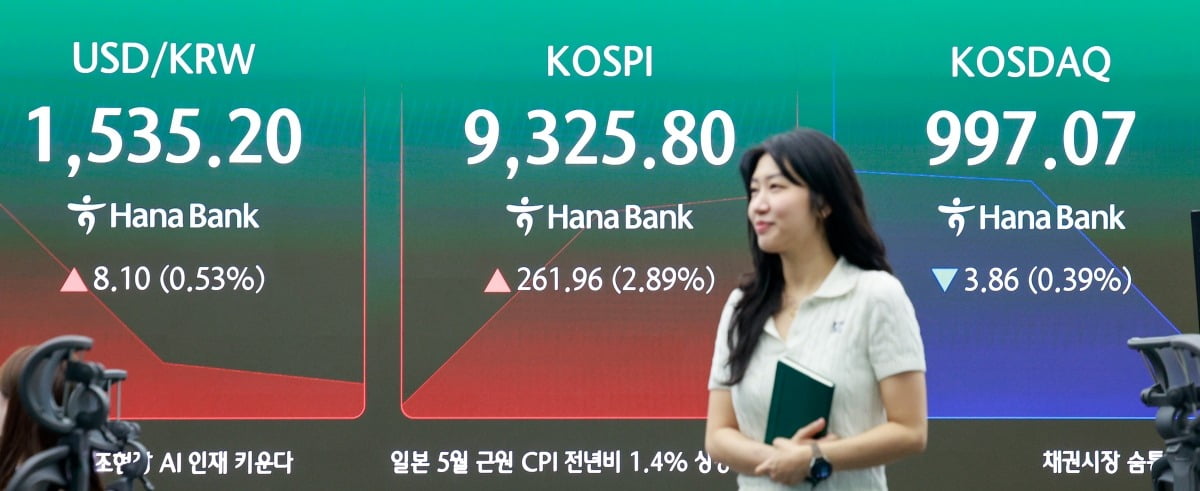
원·달러 환율 1540원 재돌파…Fed 매파 기조에 원화 약세 압력 확대
원·달러 환율이 1,540원선을 다시 넘어서며 외환시장 긴장이 높아졌다. 미국 연방준비제도의 매파적 기조가 달러 수요를 키우고 원화 약세를 압박했다. 고환율은 수입물가, 기업 비용, 국내 증시 수급에 직접 부담으로 작용한다. 시장은 향후 Fed 발언과 한국 외환당국 대응을 주시하고 있다.
Partner picks
Relevant partner links for this story
A lightweight commerce block designed to add monetization without breaking reading flow.
Good fit for Korea-based visitors ready to buy.
View offerWorks well for price-sensitive gadget and desk-tool traffic.
View offerUseful for books, work tools, and international shoppers.
View offerAdvertisement
This module may include affiliate links that earn a commission from qualifying purchases. 매크로시그널