Semiconductor Tailwind Reaches Business Sentiment Before Household Prices
The semiconductor upturn improves manufacturing sentiment, export profitability and capex before it directly lowers consumer prices. Felt inflation is more sensitive to groceries, dining, housing and exchange rates. If expectations move above the BSI baseline of 100, jobs, wages and supplier orders can transmit the recovery to households. The speed depends o
Partner picks
Relevant partner links for this story
A lightweight commerce block designed to add monetization without breaking reading flow.
Good fit for Korea-based visitors ready to buy.
View offerWorks well for price-sensitive gadget and desk-tool traffic.
View offerUseful for books, work tools, and international shoppers.
View offerAdvertisement
This module may include affiliate links that earn a commission from qualifying purchases. 매크로시그널
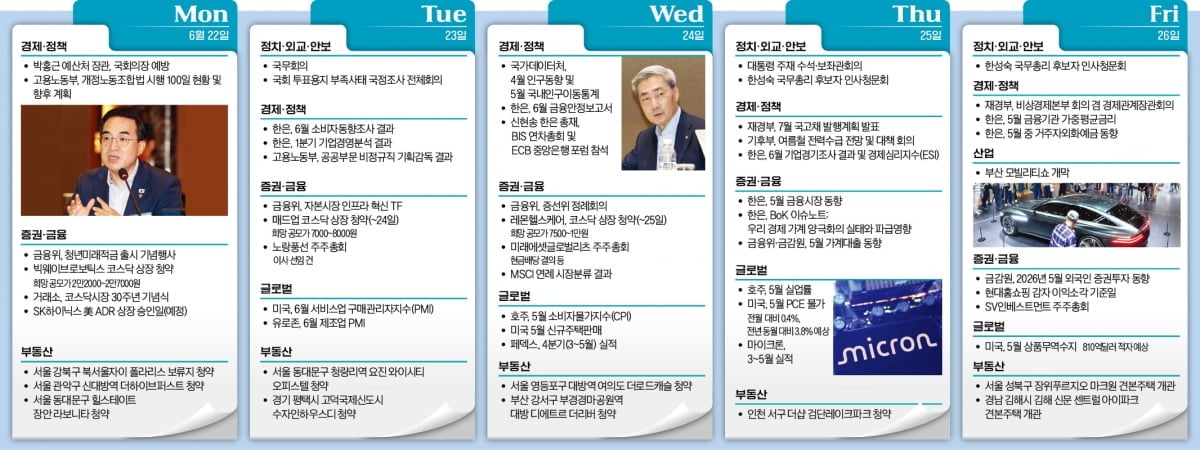
The first effect of the semiconductor tailwind is not lower felt inflation but stronger business sentiment. When export prices and volumes recover, earnings outlooks, parts and equipment orders, logistics demand and power use all improve. The prices households notice every day are groceries, dining, transport and housing costs, so higher chip prices do not automatically make the shopping basket cheaper.
Business Cycle First
Semiconductors sit at the top of Korea’s goods exports. Dollar sales convert into won earnings through the exchange rate, while stronger demand for HBM, DRAM and NAND improves capex and utilization plans. A business sentiment index uses 100 as the dividing line: above it signals improvement, below it deterioration. The first beneficiaries are large manufacturers and equipment-materials suppliers. As order backlogs grow, inventory pressure can ease within 1-3 months and hiring or investment plans can shift after 3-6 months.
Why Prices Lag
Felt inflation is driven by high-frequency living costs: rice, vegetables, fruit, dining, rent, insurance and utility bills. A weak won helps exporters translate sales into more local revenue but lifts imported food and energy costs. A stable won eases import pressure but limits the revenue boost. The semiconductor cycle therefore works mainly through income and employment, not instant price relief.
What To Watch
Investors should track chip unit prices, inventories, new orders and equipment spending, not exports alone. Households should watch wages, jobs and local sales as much as headline prices. Policy remains two-sided: exports support growth, while sticky felt inflation keeps rate cuts cautious. The recovery is a clear support for Korea, but it is too early to say household baskets feel lighter.
Partner picks
Relevant partner links for this story
A lightweight commerce block designed to add monetization without breaking reading flow.
Good fit for Korea-based visitors ready to buy.
View offerWorks well for price-sensitive gadget and desk-tool traffic.
View offerUseful for books, work tools, and international shoppers.
View offerAdvertisement
This module may include affiliate links that earn a commission from qualifying purchases. 매크로시그널
Key points
- The semiconductor upturn improves manufacturing sentiment, export profitability and capex before it directly lowers consumer prices. Felt inflation is more sensitive to groceries, dining, housing and exchange rates. If expectations move above the BSI baseline of 100, jobs, wages and supplier orders can transmit the recovery to households. The speed depends o
- Use the body and FAQ context before acting on this update.
- Compare with related issues inside the category hub.
FAQ
Will the semiconductor tailwind lower felt inflation immediately?
No. It first affects exports and corporate earnings, while felt inflation is driven more by food, dining, housing, utilities and exchange rates.
How does it show up in business sentiment?
Better export prices and volumes raise orders, utilization, inventories, equipment spending and supplier revenue. A BSI above 100 signals improving expectations.
What should Korean households watch?
They should watch the won-dollar rate, food and service prices, wages, jobs and local sales, not semiconductor exports alone.
Related stories
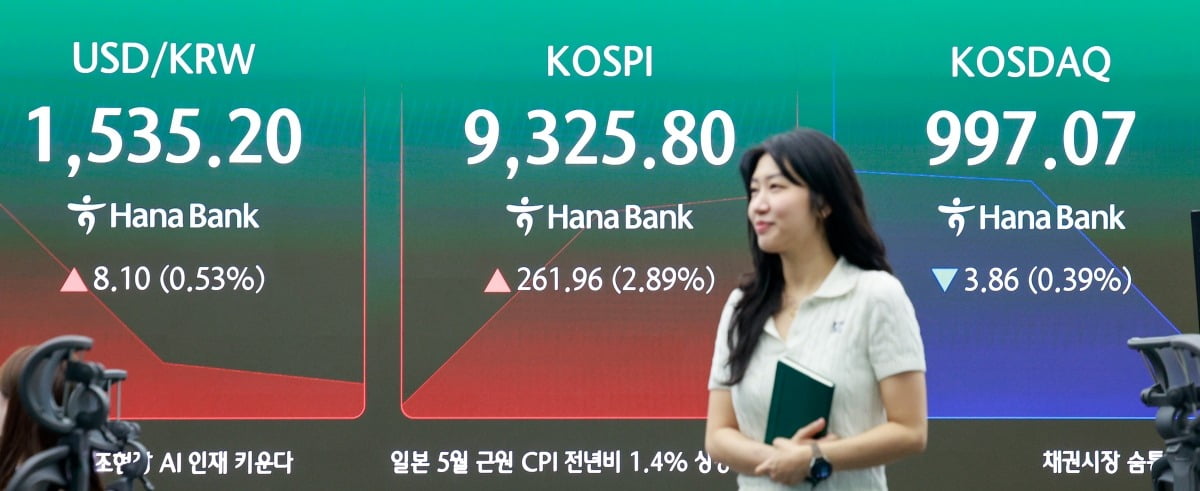
원·달러 환율 1540원 재돌파…Fed 매파 기조에 원화 약세 압력 확대
원·달러 환율이 1,540원선을 다시 넘어서며 외환시장 긴장이 높아졌다. 미국 연방준비제도의 매파적 기조가 달러 수요를 키우고 원화 약세를 압박했다. 고환율은 수입물가, 기업 비용, 국내 증시 수급에 직접 부담으로 작용한다. 시장은 향후 Fed 발언과 한국 외환당국 대응을 주시하고 있다.

Fed 점도표의 함정, 연내 1번 금리 인상 신호가 뉴욕증시와 원·달러 환율을 흔든 핵심 이유
Fed는 기준금리를 3.50~3.75%로 동결했지만 2026년 말 정책금리 중간값을 3.8%로 제시해 연내 한 차례 인상 가능성을 열었다. 다만 점도표 내부는 인상 9명, 동결 8명, 인하 1명으로 사실상 팽팽했다. 시장은 인상 신호보다 불확실성 확대와 인하 기대 후퇴에 반응하며 단기금리와 달러를 끌어올렸다. 한국 투자자에게는 원·달러 환율, 외국인 수급, 한국은행의 금리 운신 폭이 핵심 변수다.

반도체 호황, 낮은 성장률·중립금리 경로 흔드나…신현송 총재 발언 주목
신현송 총재는 반도체 경기의 구조적 확장이 세계 경제의 낮은 성장률과 낮은 중립금리 전망을 흔들 수 있다고 밝혔다. 인공지능 투자 확대가 메모리와 첨단 반도체 수요를 키우며 설비투자와 생산성 개선으로 이어질 수 있다는 분석이다. 한국은 수출, 원화, 증시, 통화정책 경로에서 직접적인 영향을 받는다.
Partner picks
Relevant partner links for this story
A lightweight commerce block designed to add monetization without breaking reading flow.
Good fit for Korea-based visitors ready to buy.
View offerWorks well for price-sensitive gadget and desk-tool traffic.
View offerUseful for books, work tools, and international shoppers.
View offerAdvertisement
This module may include affiliate links that earn a commission from qualifying purchases. 매크로시그널